

When a gas stove's pilot light goes out, there is a sharper answer than most landlords give, and the sharp version is uncomfortable for one of the two sides depending on how the story goes.
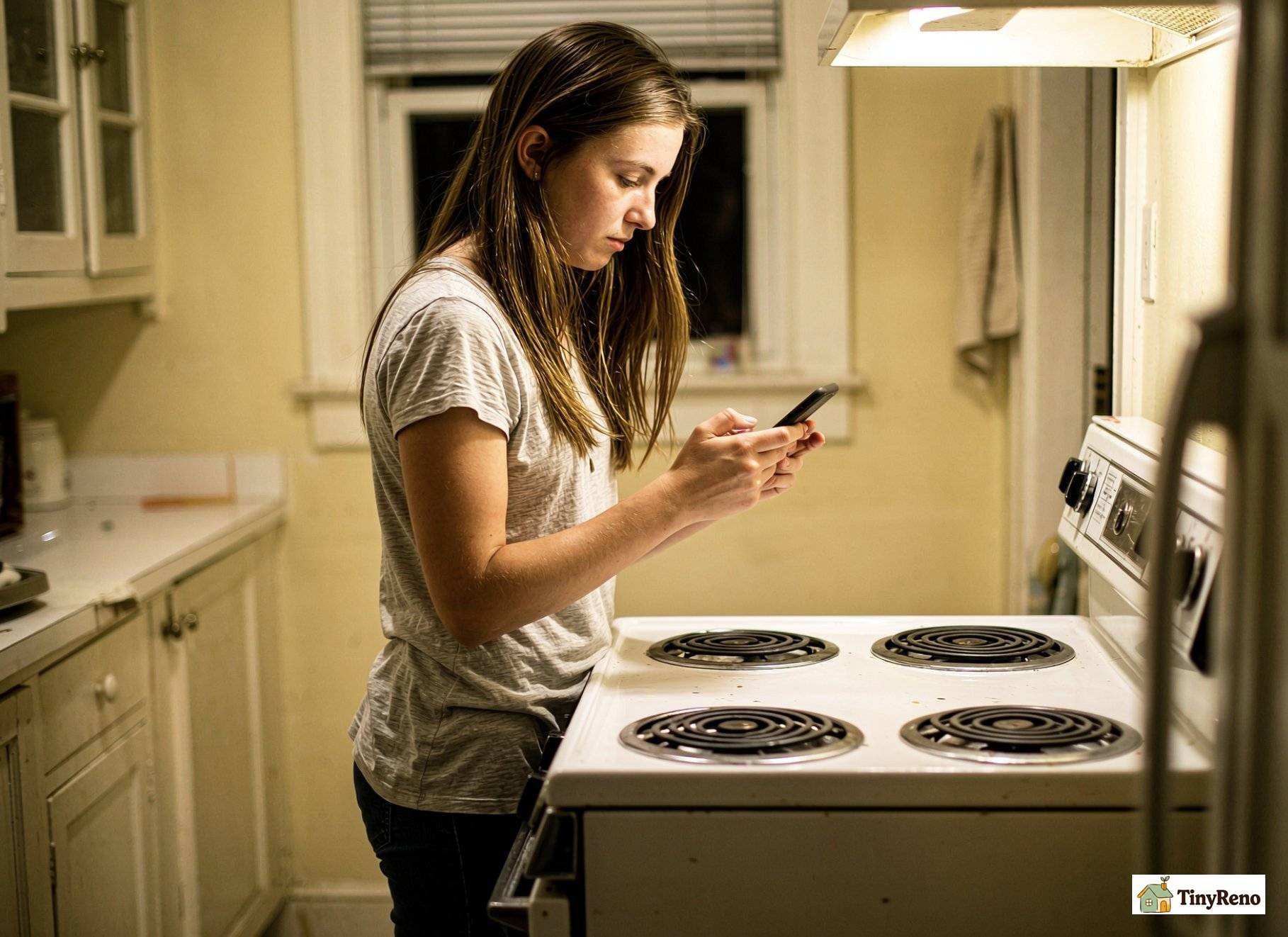
Mine went out in January 2025 in a one-bedroom in Boston I had been in for a year and a half. I came home at seven in the evening, put a pan on the front burner, turned the knob, and got nothing. Not a click, not a hiss, nothing. I tried three more times over the following ten minutes with the same result, and then I did the thing I now recommend you do, which is stop and think about it rather than keep trying.
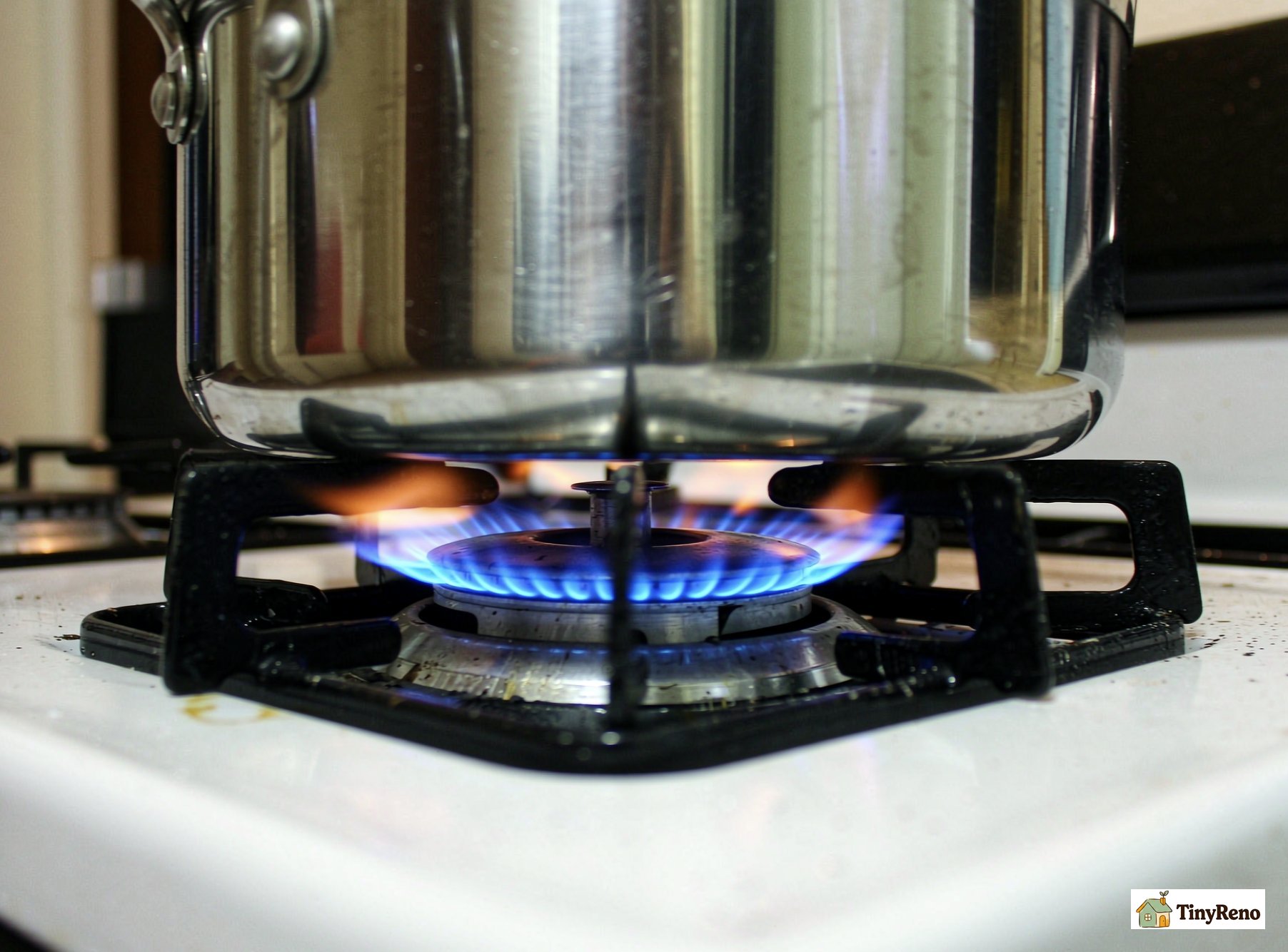
The stove is a gas range that came with the apartment. The oven has electronic ignition, so it lights itself. The burners have standing pilot lights, small flames that burn continuously and are what actually ignites the gas when you turn a knob. Those four small flames had been there every day for the year and a half I had lived there. And on that Tuesday evening, they were all out.
I called the emergency number the landlord gave me. He asked one question: "Did you have the windows closed and the extractor fan on?" I said yes. He said, "Then the pilot light probably went out because of the wind." He was right. It had been gusting that day, and I had a window open in the kitchen because the flat gets warm.
So who is it? Here is the honest answer, and it took me four months of arguing with utility companies, two landlord handymen, and one gas fitter who was finally honest with me, to understand.
The boundary is not the stove, it is the last hand
Almost every argument about a gas stove in a rental runs on the same misunderstanding: people think the question is about the appliance. It is not. Gas appliances come in two broad types, and the type decides the rule.
Electronic ignition. There is no standing pilot. When you turn the knob, the unit sends a spark, and if the burner is not lit within a few seconds, a safety valve shuts off the gas. Nothing is left running when you walk away, and nothing can "go out" because there was never a flame to begin with. On this type, a burner that will not light is a fault, and a fault in a gas appliance is the landlord's responsibility under the warranty of habitability, full stop. You press the button. You do not relight a pilot. There is no pilot to relight, and any advice telling you to light one is advice for a different appliance.
Standing pilot. There is a small flame burning at every burner, all the time, waiting to ignite the gas when you turn the knob. On this type, the flame can go out, and when it does, nothing happens when you turn the knob. Here the responsibility genuinely depends on the last thing that happened to it.
And the last thing that happened to it is usually wind, or a draught, or a burner that was left on and then went out because a pot boiled dry, or a flame that somebody deliberately blew out to shut the burner off, or a landlord's own handyman who turned the gas off at the meter to work on the cooker and did not relight it.
My pilot went out because of an open window in a windy January. Did I cause it? Partly. Did the landlord have to come relight it? In Massachusetts, a landlord is responsible for maintaining gas appliances in a habitable condition, and in practice the answer to "my pilot light went out, what do I do" is that the landlord's gas fitter does this work and it is not a tenant expense. But the way I got the landlord to actually send someone, rather than sending me a YouTube link, was by making the wind argument first and conceding the cost of the call, so that he was arguing about the pilot light and not about blame.
That is the practical shape of this dispute. Concede the cause, keep the cost. The landlord will send a fitter for a burner that will not light. He will resist sending one for a pilot light that a tenant let go out and did not relight. And in most cases he is right about the second one, because the relighting procedure for a standing pilot is a ten-second job that any adult can do, and a landlord having to come out for it is a waste of his time and an argument you will probably lose.
What to do in the first ten minutes, in order
This is the part that matters, because the order is what decides whether the next six weeks are easy or impossible.
One: stop trying and smell the air. If you smell gas, do not press anything, do not use a light switch, and do not try to light it. Leave, and call the gas emergency line or 911 from outside. This is not a formality. I have watched a tenant tap a lighter near a burner he thought had gone out, and the story ended well, but it could easily have ended differently.
Two: figure out which type of stove you have. Look at the burners. If there is a small flame standing at each one, you have a standing pilot. If the burners have no visible flame and the oven has a digital panel with numbers on it, you have electronic ignition. This one step explains most of the bad advice online, because the manual for one type is useless and slightly dangerous for the other.
Three: if it is a standing pilot, relight it properly. Turn the knob to off. Wait five minutes, which is genuinely required because gas has to clear the burner. Turn it to the ignite position, hold it for thirty seconds, and release it slowly. If it holds, the problem was that the pilot was out. If it does not hold after two careful attempts, stop and call.
Four: if it is electronic ignition, do not keep pressing. One or two attempts is normal, because a failed igniter often needs a couple of tries when the electrode is damp. Three or more attempts in a row means something is actually wrong, and continuing to press is just wear on a part you are not going to fix.
Five: photograph it before you do anything. The burner area with nothing lit, then the same burner with the knob in the off position, and then any error indication on the oven panel. This costs ten seconds and it is the thing that separates "the burner will not light" from "I have turned the knob five times and nothing happened," which are two different claims with two different responses.
What the landlord will and will not do
Here is the honest picture of what a landlord typically does about gas appliances. Gas stove pilot light renter landlord cases go the same way every time, in the order they do it.
They will send someone for a burner that will not light at all. This is unambiguous. A gas appliance that cannot be lit is a habitability issue in every state I have looked at, and the landlord's cost.
They will send someone for a burner that lights but goes out after a minute. This one is usually a flame-sensor problem and it is still their cost, because the appliance is not working properly. If you have to hold the knob for the flame to stay, the appliance is broken and that is a landlord obligation.
They may not send someone for a pilot light that was out when you arrived. Here the landlord's position is that a standing pilot relighting is tenant maintenance, and this is the closest thing to a legitimate tenant responsibility in this whole area. A pilot light is like a pilot light in a fireplace: it is part of routine use, and it is the user's job to keep it going.
They will absolutely not send someone for a burner you turned on and left on. A burner left on with no pot over it eventually goes out, and if the gas did not keep flowing afterwards then the safety valve did its job and nothing was wrong. That is not a fault.
They will send someone immediately if you smell gas. And if they do not, that is a serious problem with that landlord, not with you.
One more category worth naming because tenants often assume it exists: gas appliance replacement is not automatic. A fifteen-year-old gas range that works perfectly is not something a landlord has to replace, and asking them to is a weaker argument than asking them to fix something that does not work. If the appliance works, the ask is about service, not about the appliance.
The gas bill question that comes up every single time
Some tenants assume that if they call a gas fitter, they pay for the gas that leaks out while the appliance is not working. In my experience the landlord paid the fitter's invoice in full, and the utility absorbed the unbilled gas, and nobody ended up with a gas bill for the month. If a landlord tries to bill you for gas used while the stove was broken, ask for the itemised utility bill for that period. Utilities generally do not bill customers for gas they could not deliver to a working appliance.
And a note about the emergency line, because it is free and it is not the same as calling your landlord: utility emergency lines will send someone out to check for a leak at no charge. If you smell gas, or if you are unsure whether the burning smell is gas rather than a burnt pan, call the utility. Do not call the landlord first and wait for a return call. The gas line will answer at two in the morning and the landlord will answer at nine the next morning, and the difference between those two facts is the whole safety margin.
The rule I would put on a card
Gas stove pilot light renter landlord questions reduce to four cases once you know the stove type, and after eighteen months of gas-appliance arguments this is what I settled on, and I have written it on an index card next to the pilot light instructions on the inside of a kitchen cupboard door.
Smell gas: leave, call the utility from outside. Never press anything.
No flame at the burners and a digital oven: it is broken, it is the landlord's, photograph it and report it.
No flame because the pilot went out in a draught you caused, and it relights when you do it properly: it is yours to relight, and the cost of a fitter is the landlord's if it refuses to stay lit.
Burner you left on that went out: nothing happened, the safety valve worked, there is nothing to report.
Four cases — and in every version of this dispute I have seen, it comes down to which one you are in. The fastest way to find out is to spend ninety seconds identifying which type of stove you have and looking for a standing flame, because everything after that follows.


Discussion (0)
Sign in to join the discussion