

Every pet dispute starts with the clause that defines what counts as damage — and almost nobody reads it before they sign it. I read mine eleven months in, in a hurry, with a move-out deduction on the table.
The clause was one sentence. Something close to: "Tenant is responsible for all damage caused by the pet, to be deducted from the security deposit." Ninety-one words in the whole addendum. I had assumed it meant my dog had chewed something. It turned out to mean something considerably broader, and I had already lost most of the argument by the time I read it.
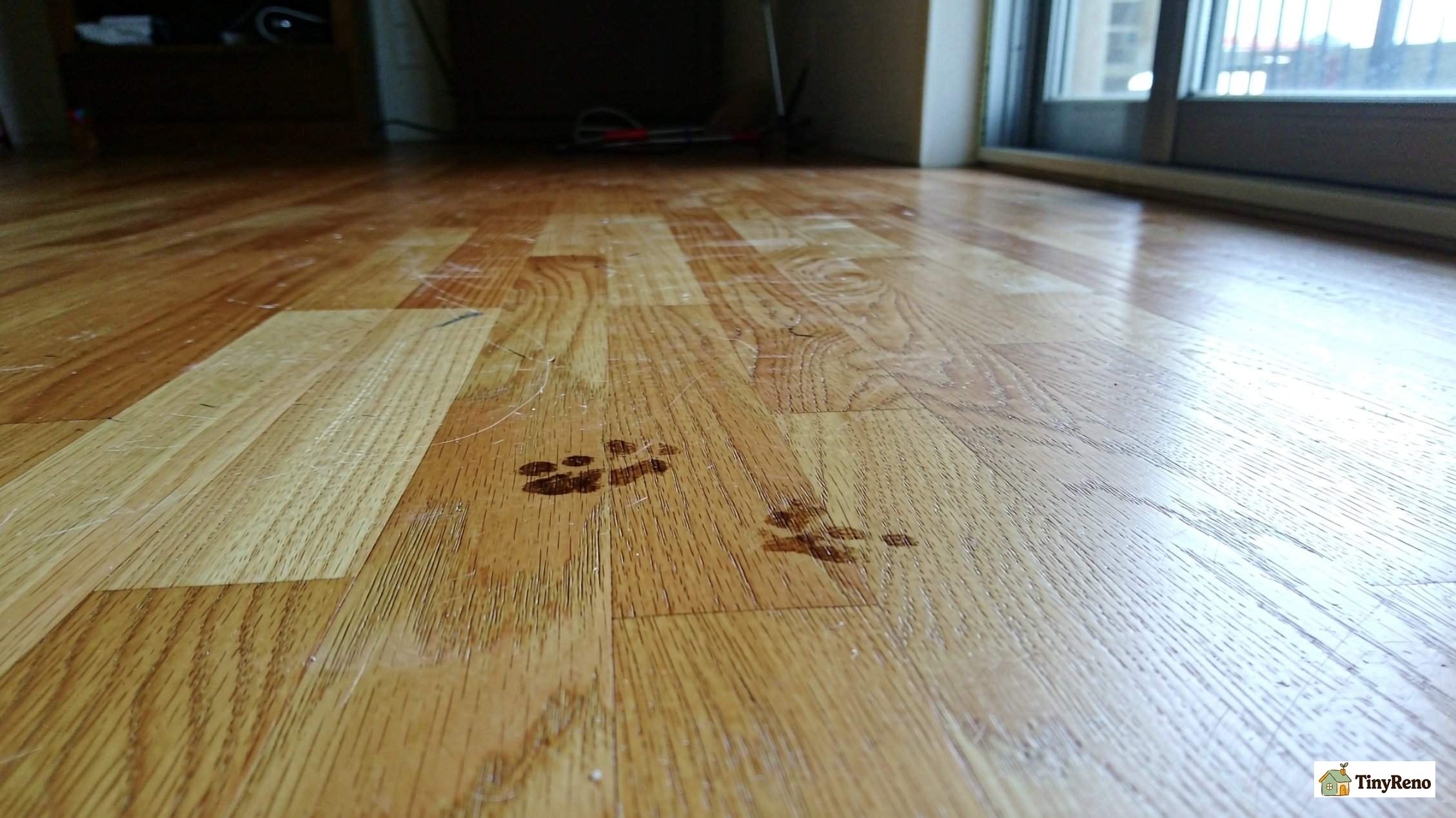
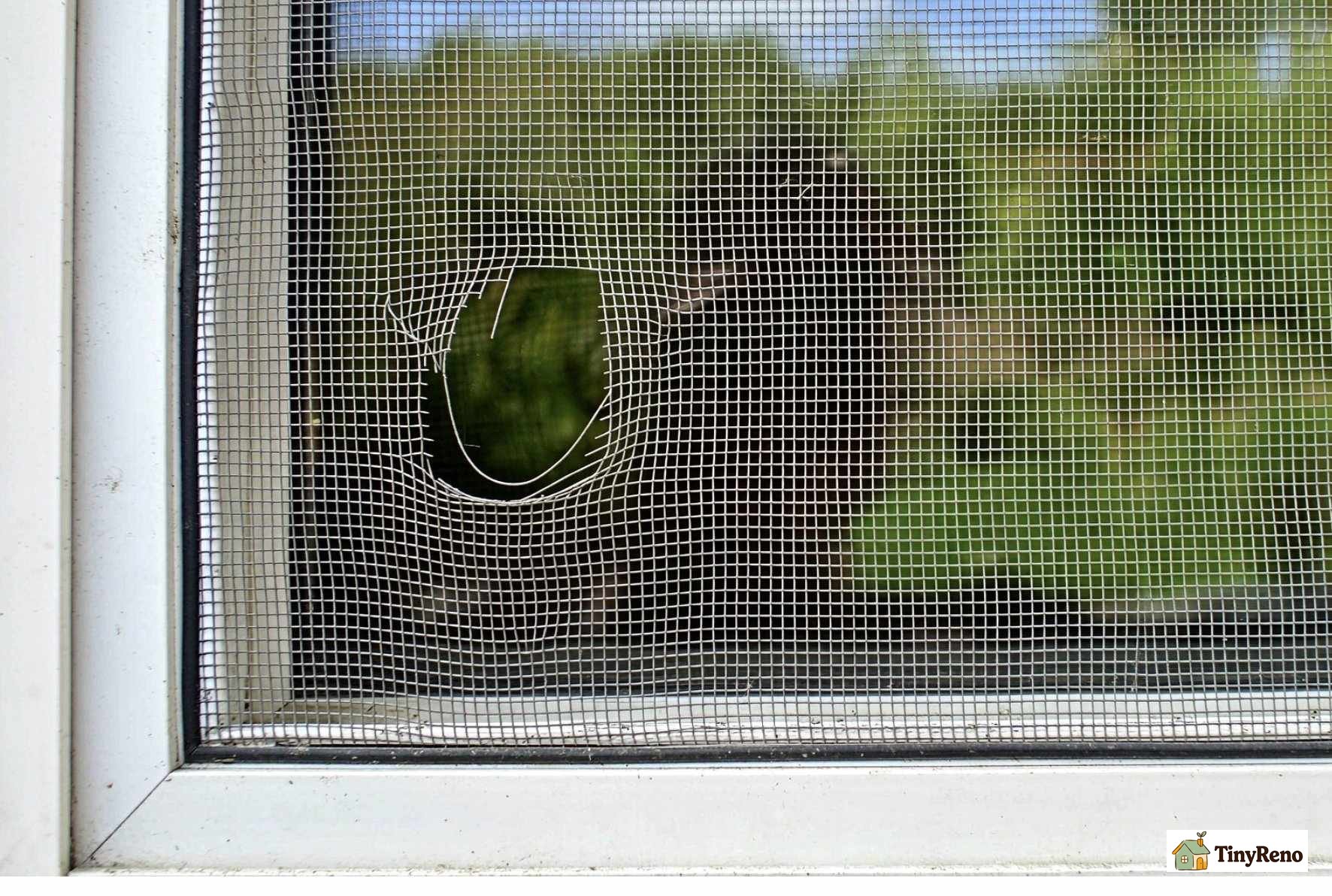
The dog is a three-year-old beagle mix named Otto, about thirty pounds, adopted from a shelter in Cleveland in 2023. I pay $45 a month in pet rent and I posted $500. What Otto actually did to that apartment over three years was: shed on the couch, leave two paw marks on a hardwood floor near the balcony door, and put a small tear in one screen door that I had already been meaning to mention.
The landlord's move-out statement had $340 on it. The screen door was $180. The floor was $60 for refinishing. The remaining $100 was "carpet cleaning and additional wear." I want to be precise about my own position here, because I was not entirely right and the article should not pretend I was: the screen door was my fault and I paid it. The floor was not, because that board had a scratch under the finish that was visible in the move-in photos. The carpet cleaning was $100 I had never been told about.
What I learned by reading the addendum properly, after the fact, is that there is a predictable shape to these clauses, and almost all of them have the same three exceptions baked in.
The definition line, and the three words that decide everything
Every pet addendum I have read follows the same three-part shape, and the middle part is where the money is decided.
The trigger. Something like "any damage caused by the pet, including but not limited to damage caused by the pet's habits, chewing, scratching, shedding, or accident." Note "including but not limited to." This phrase is doing a lot of work. It means the list that follows is examples, not a boundary, and a landlord can argue that something on your statement is within the wider category even if it is not on the list.
The qualifier — this is the word that decides the case. There are three common variants and they mean very different things:
"Beyond ordinary wear and tear" is the version that favours you. It draws a line at normal use. A shedding dog and a worn path by the door are ordinary. It also means you have to show that something is not ordinary wear, which is an argument about the mark itself rather than about your dog.
"Caused by the pet" with no wear qualifier is the version that favours the landlord, because it lets them treat wear caused by the pet as damage. If you have a dog and a worn path, this language reaches it. It is also the most common version, and I would say roughly half of the addenda I have now read over the years use it.
"Beyond ordinary wear and tear, except where caused by the pet" is a hybrid and it is the most common trap, because it sounds protective and is not. It says ordinary wear is fine, but ordinary wear that your pet caused is chargeable. A worn floor from a dog tracking grit is ordinary wear that the pet caused. Under that clause it is damage.
Part three: the mechanism. "Deducted from the security deposit" is the standard, and it means the landlord can take the money without asking you first and without giving you a chance to fix it. Some addenda instead say the landlord will "repair and bill the tenant," which is better, because it gives you a repair option before a charge. If your addendum has the repair-and-bill language, that is worth more than any amount of arguing later.
The single most useful thing I did was write the trigger sentence and the qualifier word on an index card and put it in the front of my folder for the lease. When the $340 statement came, I did not need to argue about fairness. I needed to know whether the clause had a wear qualifier, and it did not.
Three kinds of pet damage the landlord cannot charge you for
Pet deposit agreement what counts damage questions always come back to the same three categories, because even a broad clause has limits and the limits are the same almost everywhere. I want to be careful with the word "cannot," because the honest version is "cannot charge you for it as pet damage." They can still charge you for some of it under a different heading.
One: ordinary wear from ordinary use. A path worn into the carpet along the walking line to the kitchen is wear, not damage, and no pet clause makes it damage, because the clause attaches to the pet's behaviour and ordinary wear is a property of the household, not an act. The landlord may offer to replace the carpet; that is a depreciation conversation, not a pet damage conversation, and the two have different rules.
Two: pre-existing condition. If the floor already had a scratch, the pet did not cause it, and the clause does not reach it. This is the single most useful exception, and it is worthless unless you have move-in evidence. I had photographs on my phone from move-in day in 2023, taken out of pure habit. They are the only reason the $60 floor charge disappeared.
Three: damage from something that is not the pet. If the tenant, a guest, a contractor, or the landlord's own maintenance worker damaged something, the pet damage clause does not apply. This one comes up surprisingly often in shared apartments, where a landlord tries to attribute a mark to the animal because the animal is the easiest thing to name.
There is also a fourth category that is worth naming because landlords raise it constantly: depreciation versus replacement cost. A landlord who says a ten-year-old carpet must be replaced entirely because of pet urine odour is making a replacement-cost argument, and replacement cost is a much harder case than damage. A damaged area can often be cleaned or patched. Whole-room replacement is a landlord's decision about the property, and it belongs in a different conversation.
What to photograph, and when
The evidence rule for pets is the same as for any other deposit dispute, and I have written about it elsewhere, so I will keep this to what is specific.
Shoot the pet-relevant surfaces on move-in day, not on move-out day. The surfaces that matter with a pet are a narrower list than people expect: the flooring at the door, the couch or upholstery seams, the base of the skirting boards, the window screens, the door frames at dog height, and any place the pet sleeps. A dozen photographs of those, taken on the first day, is more useful than two hundred taken on the last day.
Photograph the defect close and then wide. This is a technique I learned the hard way. A close photograph shows the scratch clearly; a wide photograph shows where it is in the room. A landlord can argue a close-up is a different mark; they cannot argue with a wide shot that shows the same mark in the same place in a room that matches the move-in photo.
Keep the pet's records. Vet invoices, grooming appointments, and a note of the pet's habits are occasionally relevant. More often what matters is simple: if your dog is a chewer and you gave the landlord that information in writing at move-in, you have a record that the landlord knew the risk and accepted the pet anyway. That shifts the conversation more than any photograph of a chewed corner.
Do the damage walk-through in writing, with dates. Email the landlord a list of the specific items you are asking to be covered, attach the photos, and ask for a response by a date. The list should use the agreement's own language, because the argument later will be about what the clause covers.
The three questions that settle most pet damage disputes
When a pet damage charge arrives on a move-out statement, three questions get you most of the way, and all three can be asked in a single short email.
Does the clause have a wear qualifier, and what does it say? This is question one because it determines the size of the fight. Quote it back verbatim. If the clause says "caused by the pet" with no wear qualifier, your argument is that ordinary wear caused by the pet is still ordinary wear, and you should say that plainly.
What is the evidence that this was caused by the pet? Do not answer this question yourself in your email. Do not concede that your pet caused it. Ask what evidence the landlord has that the damage was pet-caused rather than wear or pre-existing. This is the question that makes a landlord look at their own documentation, and quite often the documentation does not say what they assumed it said.
Is this being charged as pet damage or as something else? A landlord who cannot charge a mark as pet damage may still be able to charge it as cleaning, or as replacement depreciation, or as an unpaid repair. The label on the statement matters because each label has its own rules and its own deadline. A charge for cleaning that was never itemised in the lease may be challengeable on a completely different ground than a charge under the pet clause.
Pet deposit agreement what counts damage also decides how the conversation ends, because on that last point there is one practical warning: the repair-and-bill route is not always better for you. If the landlord repairs and bills you, you get no say in the contractor and no chance to do it yourself for less. If the addendum says "deducted from the security deposit," you can offer to fix it, or hire someone yourself, and deduct the difference from what you owe. On my screen door I did exactly that, and it cost me $60 instead of $180.

The version I would tell a friend
If someone asked me about their pet addendum this week, here is what I would tell them, in order.
Read the addendum today, before anything goes wrong, and find the sentence that defines damage. Write down the trigger and the qualifier word. Find out whether it says repair-and-bill or deducted-from-deposit. Then take ten photographs of the floors, the doors, the screens and the upholstery on move-in day, even though you are busy and it feels like overkill.
That is the whole lesson of the $340 statement, and it cost me $280 to learn. I had a signed addendum, I had paid my pet rent on time for thirty-six months, and I had done exactly what every pet owner does, which is assume that because the clause exists, someone will read it before they deduct anything. Nobody read it but me, and I read it eleven months in, on a Tuesday, with a deduction on the table.
The agreement is not a formality you sign once and forget. It is the only document that defines what your animal is allowed to cost you, and it is sitting in a folder you already have.


Discussion (0)
Sign in to join the discussion