

I first bought a moth trap after finding three holes in a cashmere jumper I had not worn in a year. I went to the hardware store, bought the cheapest box on the shelf, hung it in the back of the wardrobe, and waited. Two weeks later it was empty. I congratulated myself on solving the problem. Six months later I found larvae in a suitcase under the bed. The trap had not failed. I had bought the wrong instrument for the question I was actually asking.
Most people buy a moth trap because they have already found the damage and they want it to stop. That is a reasonable purchase for the wrong reason. A moth trap is not a treatment and it is not a cure. It is a question you ask the apartment, and the trap you buy determines which question you get an answer to.
There are three kinds of trap sold for this, and they work on completely different principles. Each one answers a different question. The pheromone trap answers "is there an active population in this flat?" The glue board answers "which direction are they coming from?" The light trap answers "what exactly is flying in this room?" If you have holes in your clothes and you buy one of the first, you will get a yes or a no, and a no will not tell you where to look.
The wrong trap is not just useless. It can actively mislead, which is why it is worth thinking through before spending anything. A trap that catches nothing will be read by most people as good news, when in fact it may only be telling you that you bought the wrong instrument for the question you are asking.
What the pheromone trap actually does
The pheromone trap is the one everybody buys, and it is the one most people misunderstand. The lure inside is a synthetic version of the sex pheromone of the female clothes moth. It does not attract moths in general. It attracts the male, because the male is the one that spends his life searching for a female by scent, and the trap is essentially a very good fake female sitting in a box. The male flies to it, gets stuck, and that is the catch.
Two consequences follow, and both of them matter. First, the trap only ever catches males. That is fine as a monitoring device, because a population with males in it has females in it too, and it tells you the population is alive. But it means the number of moths in the trap is not the number of moths in your wardrobe. It is a sample of male activity, which rises and falls with the mating season, and reading it as a headcount of your infestation leads to bad decisions.
Second, the pheromone works over distance, which is the trap's real weakness for a renter. A motivated male will travel several metres to reach a lure, further in a warm flat with a clear path. So a trap placed in the hallway can catch a moth that is breeding in the wardrobe at the other end of the apartment. This is why the classic instruction to put one trap in the corner and forget about it is a bad one: the trap is not a location pin. It is a room-level detector, and in a small flat the room is the whole apartment.
The other limitation is that it does nothing to larvae. A pheromone trap cannot reach a larva inside a rolled jumper, a pillowcase of winter clothes, or the seam of a carpet. Anyone treating a trap as a treatment is running an expensive alarm system and calling it a fix.
What the glue board is for
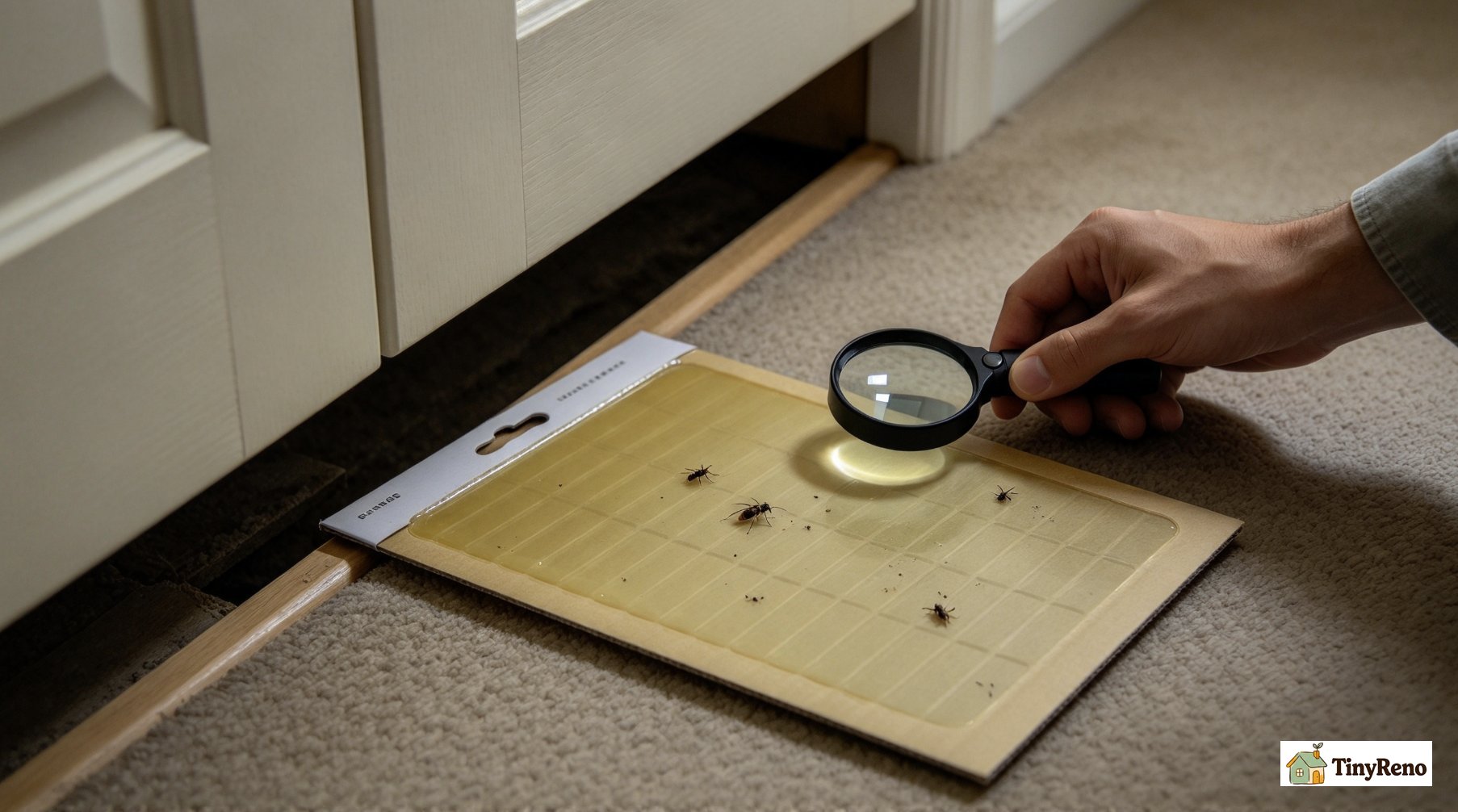
A glue board is a flat card with a sticky surface, and its value is not that it catches more. It is that it catches the moth where it landed. A moth caught on a horizontal sticky surface in the middle of the floor is telling you something a box trap never will: that it came in through a window, or off a balcony, or out of a crack, and then flew toward a light before it found the source.
That is a different and more useful piece of information. If you have holes in a cotton shirt rather than a wool jumper, the moth is probably not eating your clothes at all. It is an outdoor species attracted to your light, and the damage you have been blaming on a wardrobe pest is something else entirely. A pheromone trap in that situation will stay empty, and its emptiness will look like reassurance.
The practical way to use a glue board is to put it flat on the floor at the point where you actually find the moths, usually near a window or a light fitting, and to leave it overnight. Then pick it up and look at what is on it with a hand lens. You do not need to identify the species to get the answer you need. You need to know whether it is a pale golden tan thing the size of a grain of rice, or something larger and darker, and the light trap and the glue board together will usually settle it.
One practical warning about glue boards. They work best in an apartment where the moths are active, which in a warm room is at night, and the board is then a sticky surface on your floor that you will step on. Put it under a bed edge, under a wardrobe gap, or on a windowsill, and check it every few days, because a board left for a month in a warm flat is a board that collects lint and hair and becomes part of the problem it was bought to solve.
When the light trap is the right instrument
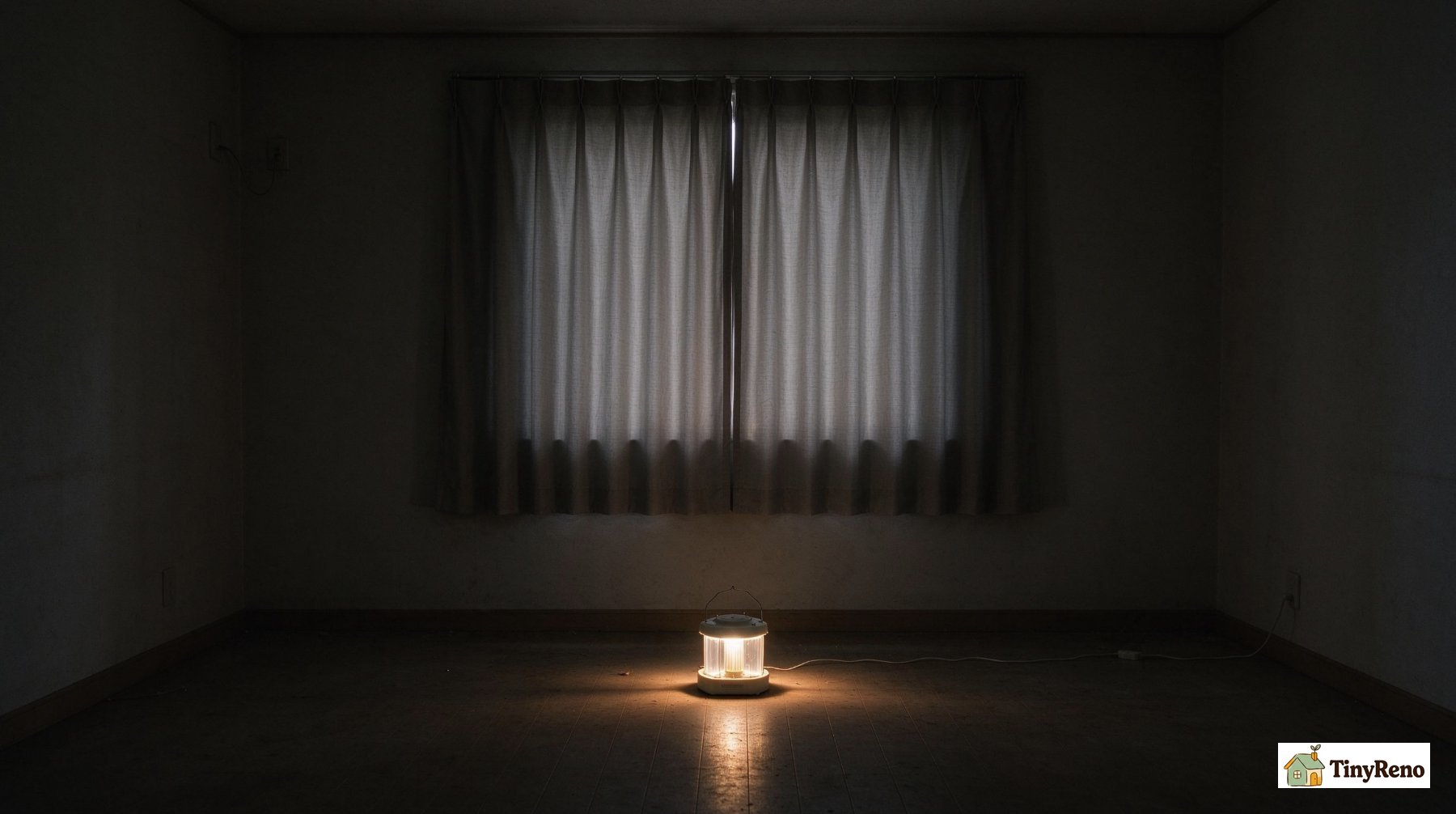
A light trap is a lamp in a box with a sticky or water-tray back. It is the broadest of the three, and it is the one that answers the question a pheromone trap cannot: what is actually flying in this room? If the apartment has an unusual infestation, if you are seeing moths in a room with no wool in it at all, if you are in a ground-floor flat near a garden or a tree, then a light trap in a completely dark room will catch species that ignore a pheromone lure entirely, because they are not hunting for a mate.
The cost of the light trap is that it catches everything, including midges, small flies and whatever else is coming in through the window, and you end up doing the identification work yourself with a hand lens. It also only works in a genuinely dark room, which in a rented apartment at night means turning off the lights and closing the curtains, and it needs to be left running for hours to be worth anything. For an ordinary wardrobe problem it is overkill and expensive.
But there is one situation where it is the only sensible buy, and that is when you suspect the source is outdoors. A pheromone trap in that situation catches nothing, tells you nothing, and gets you to the wrong conclusion. A light trap catches something, and the something tells you whether you are chasing your clothes or chasing your windows.
This is also why the two types together are better than either alone. A glue board near the window and a light trap in the dark tells you both the entry point and the population. A pheromone trap in the wardrobe tells you whether the wardrobe is still active. Those are three separate facts, and most people only ever establish one of them.
How many traps to place, and where
The question about numbers has a simple answer that most packaging gets wrong. One trap per flat is usually not enough to locate a source, because in a small flat the whole apartment is the detection zone. Two traps in the same room, on opposite walls, give you a comparison that a single trap cannot: if both catch, the source is probably in that room, and if only the one nearest the wardrobe catches, you have found your room and your storage point in one evening of waiting.
Beyond that, work outward room by room. If the wardrobe room catches and the hallway does not, you are probably fine. If the hallway catches and the wardrobe room does not, the source is somewhere you have not looked, and the most common places are the space under a bed that is never moved, a storage trunk, a suitcase in a cupboard, or a neighbouring flat if the ceiling or the shared service riser is involved. If traps in every room are catching, the problem may be building-wide or coming from a neighbouring unit, and that becomes a landlord conversation rather than a shopping one.
Placement detail that matters more than people expect. Traps go at the height of the source, which for a wardrobe is the shelf where the wool is stored and not on the floor. A trap on the floor of a wardrobe is below the level where the moth is flying and it will catch the strays rather than the residents. Traps also want stability and darkness, because a box that gets knocked by a vacuum is a box that ends up somewhere useless. Put them where you will actually leave them for the eight weeks it takes to be confident about the answer.
Then replace them on the schedule the packaging states, which for most of them is four to eight weeks. A trap that has been open for three months may have a saturated lure and a sticky surface full of dust, and it can keep catching nothing no matter what is in your wardrobe. If you are going to run a monitoring routine, put the replacement in your calendar on the day you set the first one, or you will end up with a board in the cupboard that you find in spring and believe.
Reading a trap that catches nothing
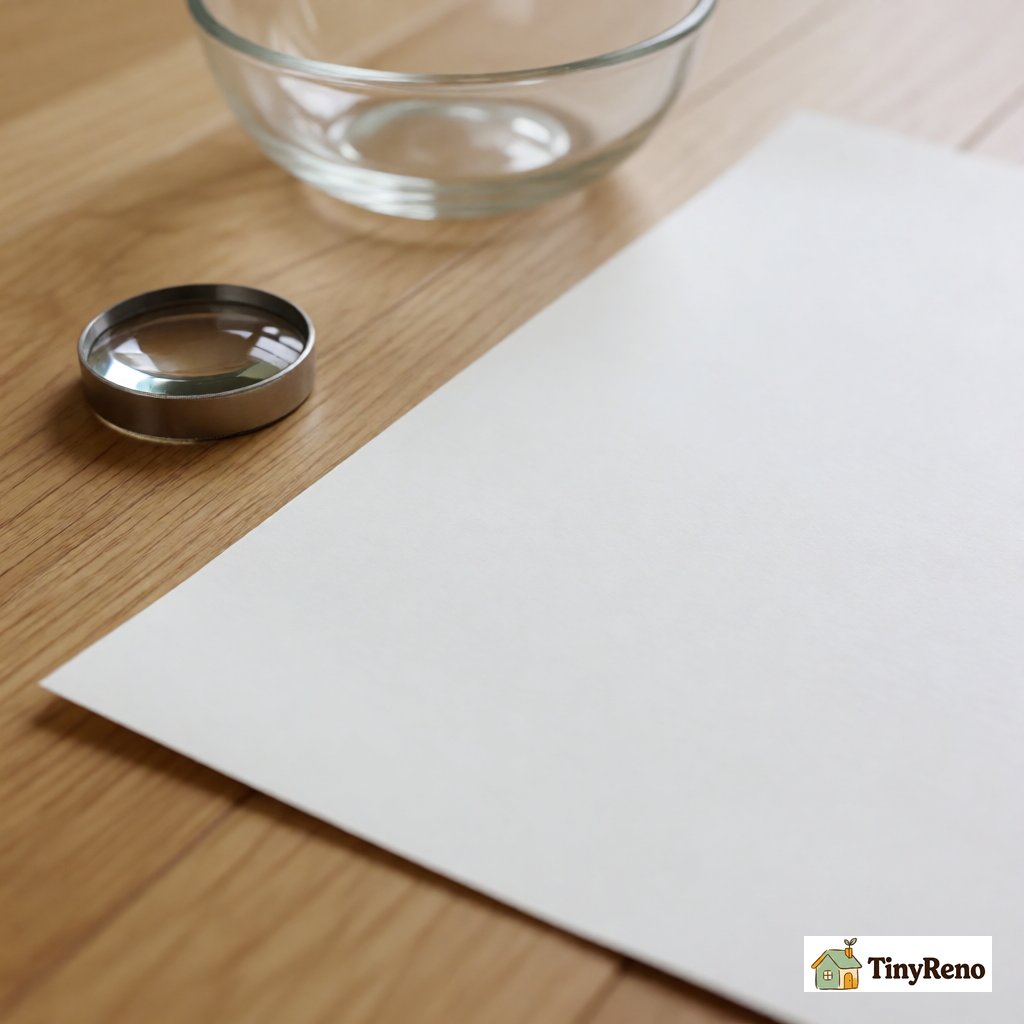
The hardest part of using a trap is not buying it. It is interpreting what you see — especially when you see nothing. An empty trap is one of three things, and the three are very different.
It might mean the population is gone, which is the answer you want. It might mean the trap is in the wrong place, or the wrong type, or the lure has expired, or the moths are simply not flying at the moment you checked, since moth activity is strongly seasonal and follows temperature. Or it might mean there was never a clothes moth problem at all, and the holes in your knitwear are carpet beetles, which are a different insect with a completely different trigger and a completely different solution.
That last possibility is the one worth checking before you buy anything at all, because it is cheap to rule out. Carpet beetle damage often looks like irregular small holes or surface grazing, and you may find fuzzy brown larvae or shed skins. Clothes moths leave irregular holes in seams and tight folds, plus silken webbing and a loose casing. The larvae and webbing are more reliable than the shape of the hole. If you find round holes and no webbing, you are probably not dealing with a clothes moth, and a moth trap will not help with that. If you find webbing and irregular holes, you are dealing with a moth, and the traps are worth having.
The honest way to use a moth trap is to treat it as a way of buying information, not a way of buying a solution. Put two in the suspect room. Put a sticky card where you are finding moths. If you are not sure what is eating your clothes, spend a little on a light trap and a hand lens before you spend anything on storage boxes, because if it is not a moth then the boxes will not help either, and you will have sealed your clothes for a month for nothing.
One last thing about timing. A trap that catches nothing for a week tells you almost nothing, because the life cycle runs in months. A better test is a trap that stays empty across several months, including a warm period, with the natural fibres already sealed away. Catching a moth the week you put the trap out is not a failure, it is the trap working, and it usually means you have found a live source that the food removal did not reach. Catching nothing across a full season, with natural fibres sealed away and a warm period included, is the strongest evidence that the problem is over. It is not absolute proof. One more thing worth saying: traps are monitoring tools, not treatment. If you find a serious infestation — larvae in multiple rooms, holes in dozens of garments — that is not something you solve with a trap and some storage boxes. That is when you put in a maintenance request to your landlord, especially if the problem seems to come from a neighboring unit or from inside the walls. A trap tells you where the problem is. It does not get rid of it.


Discussion (0)
Sign in to join the discussion