

Painting over rust on a rental radiator is not really a how-to question, and I wasted a whole afternoon treating it like one. I had a patch of surface rust on the radiator in my first rented flat. I read enough online to know that you should treat the rust first, and I thought I had done the job properly. The paint peeled off in January, along with a small amount of rust dust that I then had to clean off the floor. The radiator now has a larger bare patch than it did in September, and I have a note in my file that says I touched it. I am telling you this because the technique is not the hard part of this job, and the hard part has nothing to do with paint.
So here is the part I did not have at the time. Before you buy a single can of anything, answer one question: is this radiator part of the building’s heating system, or is it a unit you own? If it is part of the building system, you usually should not paint it without the landlord’s written permission, no matter how good your technique is. The reason is practical, not just legal. It is that you have changed the surface of a heating component without knowing what coating was originally specified for it, on a system that the landlord is responsible for, and you will be the one explaining the peeling paint at the end of the lease.
That is the core of the article. The rest is how to work out which situation you are in, and what to do once you know.
First, work out what kind of rust you are actually looking at

Surface rust and structural rust are different problems. A simple first check is whether the metal looks intact. If the rust is a stain on the surface, a brownish-orange discoloration with a slightly rough or flaky texture, it is more likely cosmetic. If there are pits, if the metal looks thinner than the surrounding metal, if a hole is forming, or if there is bubbling or weeping liquid, treat it as structural and report it to the landlord promptly.
There is a third category that catches people, which is rust on a joint, a valve, or the pipe where it enters the radiator. That water sits in that joint when the system is off, and the cycle of wet and dry is what makes the metal corrode there. It is also the category most likely to become a leak, and a leak above a floor is a much bigger deposit conversation than a paint job. If the rust is concentrated where a pipe meets the radiator, stop reading this article and email your landlord.
At this stage, avoid physical work. Do not sand, wire-brush, scrape, or apply any product. Wire-brushing a rental radiator can spread rust flakes into the paint and onto the floor, and it modifies the fixture before you have written permission to modify it. Photograph it, leave it alone, and that is the whole job until you hear back.
The rule that decides everything: report it in writing, early
This is the part that actually protects your deposit, and it has little to do with paint. Rust on a heating element is usually a maintenance matter. Landlords handle maintenance on a schedule. If you report it in September, it gets queued. If you report it in January, after months of looking at it, you have turned a maintenance item into a complaint, and the conversation changes.
So the sequence I would follow now, with the benefit of the afternoon I wasted. Take two or three photographs from a couple of angles, close enough to show the texture. Write a short email, and keep it short, because short emails get answered. Say where it is, roughly how big it is, when you first noticed it, and ask whether they would like it treated and by whom. Attach the photographs.
What that email buys you is a date. When the deposit conversation happens in a year or two, the difference between a landlord who was told about a rust spot in September and one who was not told until January is enormous, and it is entirely about the paper trail rather than about the metal. This is not cynical. I have read the standard advice about documenting everything, and I did not take it seriously until I had something on my record that I wished I had reported earlier.
There is a second reason to establish ownership before you buy anything: the coating. If the radiator is part of the building system, the existing paint may be a specific type chosen for heat or for the wall behind it. I do not know what coating is on any given radiator, because it varies. I did not know what was on mine, and that was reason enough to ask before touching it.
When you are allowed to treat it yourself
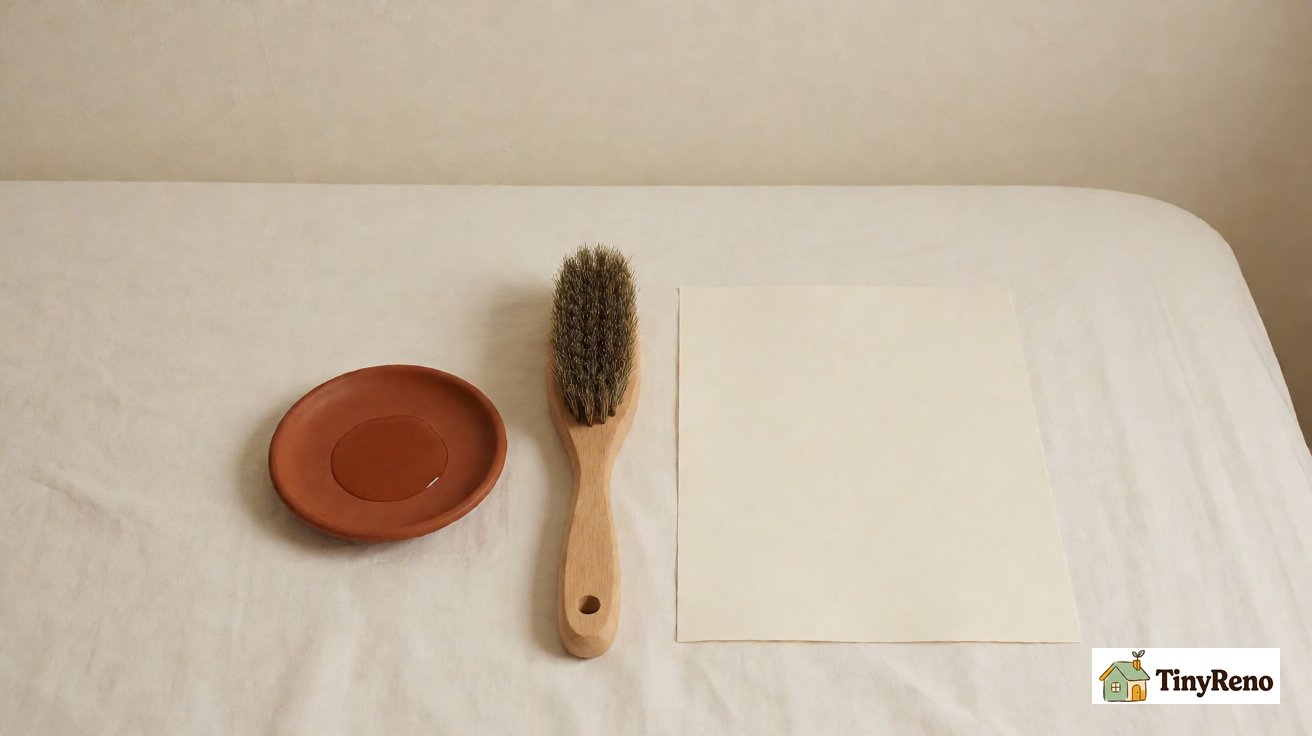
There are two situations where the answer is different, and both of them involve a unit you own. The first is a portable or freestanding electric heater that you brought with you, or bought while living there. The second is a surface rust spot on a building radiator that the landlord has explicitly told you to treat yourself, in writing, preferably with a product they name.
When you are the one treating it, the order of operations matters. First, remove the loose material. You do not need to get down to bare bright metal, which is often unnecessary and can scar the surface, but every flake that is going to come off should come off first. Paint applied over loose material will eventually take the loose material with it.
Second, treat the rust chemically, not just visually. A rust converter can turn the surface into something more stable and more paintable. Without it, you may be painting over a surface that is still rusting and flaking. Let the converter work for the full time the product specifies, even if it takes longer than you want.
Third, only then paint, and choose a coating rated for the surface temperature. A radiator is a hot surface. A standard interior wall paint can soften, blister, and peel when the heat comes on. A heat-resistant enamel is designed for this and is not expensive. If you choose the wrong coating, the failure is on you.
None of this applies until you know which situation you are in. That is why the first step is an email to the landlord, not a can of paint. The repair is the easy part. Deciding whether it is yours is the part that costs money when you get it wrong.
What not to do, in order of how badly it goes
The mistakes, roughly in order of damage: the worst is sanding or wire-brushing a radiator you do not own. That can damage the surface, spread rust dust, and create a record that you worked on the fixture. The second is painting without treating the rust first, which is what happened to me, and which often fails within months. The third is using general interior paint on a hot surface, which can fail within a season.
There is also a trap: assuming that because the rust is ugly, you are obliged to deal with it now. You are not. If the radiator belongs to the building, it is the landlord’s maintenance issue. Your job is to notice it and document it. Reporting a maintenance issue is different from taking on a repair that was never yours, and only one of those is likely to protect your deposit.
There is also a version of this problem that shows up in a kitchen rather than a living room, where the rust is on a metal shelf bracket or a cabinet hinge, and the same order applies. A paint over rust renter apartment radiator style question is really a question about who owns the metal, and the answer to that does not change because the metal happens to be a different shape.
The one thing worth doing on your own, before anything else
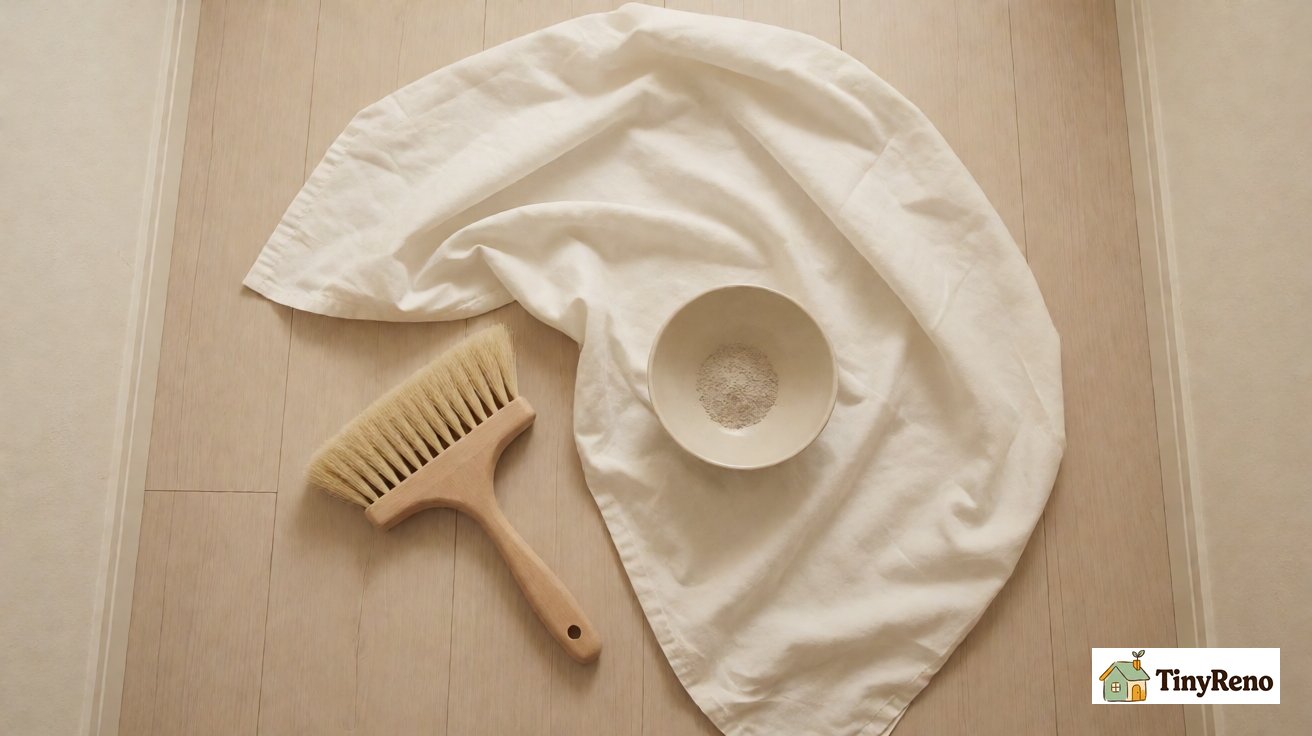
If the radiator is going to be on through the winter, there is one maintenance step that genuinely is yours, and it costs nothing. Dust the top and the fins, and the crevices between them, with a soft dry brush or a vacuum with a brush attachment, before the heating season starts. A dusty radiator transfers heat less efficiently, which means you run the system harder for the same room temperature, which means a bigger heating bill that you may well be part of paying for.
Do this over a cloth or a sheet, because the dust coming off an old radiator is fine and grey and it goes everywhere. I do it in the flat, over the bath, with the door open, because the amount of dust that comes off a radiator that has not been cleaned since the last tenant moved out is genuinely startling the first time.
And while you are up there, look. Check the valve, the pipe joint, and the floor beneath for anything wet, and note the condition of the paint around the radiator for your own records. You are not doing a maintenance inspection, you are taking a photograph for your file that will be useful if this radiator turns out to be the reason you are having a conversation about a deposit.
So the short version: photograph it, email the landlord, wait for the answer, and do not touch it. If it turns out to be yours, or the landlord gives written permission, then treat the rust properly, use a heat-resistant coating, and be patient with the prep. That order is the whole thing, and it took me a year and one peeled radiator to learn it.


Discussion (0)
Sign in to join the discussion