

I did not expect to be Googling how to stop a smoke alarm from beeping randomly at three in the morning, standing in my hallway in socks and holding a broom handle like a lance. The apartment is 740 square feet off Glenwood Avenue in Raleigh, North Carolina. The alarm was a Kidde ionization unit, manufactured in March 2018 and mounted nine feet up on a popcorn ceiling; it had been silent for the first eight months of my lease. Then, on a Wednesday at 3:07 a.m., it started a single low chirp every forty-five seconds. No smoke, no steam, no burnt toast. The chirp continued for nine days while I tried four of the things the internet told me to try. The fifth thing is what finally worked, and it was the cheapest one. A fire-department lieutenant named Mike told me about it in a Harris Teeter parking lot on Falls of Neuse Road, between a shopping cart and a Civic with a cracked windshield. It cost nothing. The other four cost between $6 and $22 and taught me what I wish I had known before that first chirp.
I went looking for how to stop smoke alarm from beeping randomly the way most renters do at 3 a.m., scrolling past forum threads and Reddit posts with titles like "just replace it." None told me to read the date on the back of the unit first. The chirp is not always a battery problem. It is sometimes a sensor problem past the date the manufacturer said it would still work. The fifth thing, the one that worked, was the only suggestion that started with reading the date.
The chirp that woke me up was not the full alarm. A full alarm is the loud, repeating tone that means fire or carbon monoxide and you get out. This was the one-chirp-every-forty-five-seconds kind, the kind that means low battery, end of life, or a sensor problem. Every smoke alarm chirps for one of those three reasons, and the chirp keeps going until the unit has power and a working sensor, or until you pull it down. Mine started on a Wednesday and kept going through Sunday. The bedroom was directly under it, and the chirp was loud enough at three in the morning to wake me out of a dead sleep every hour, but quiet enough at noon that I would forget it was there until the next night.
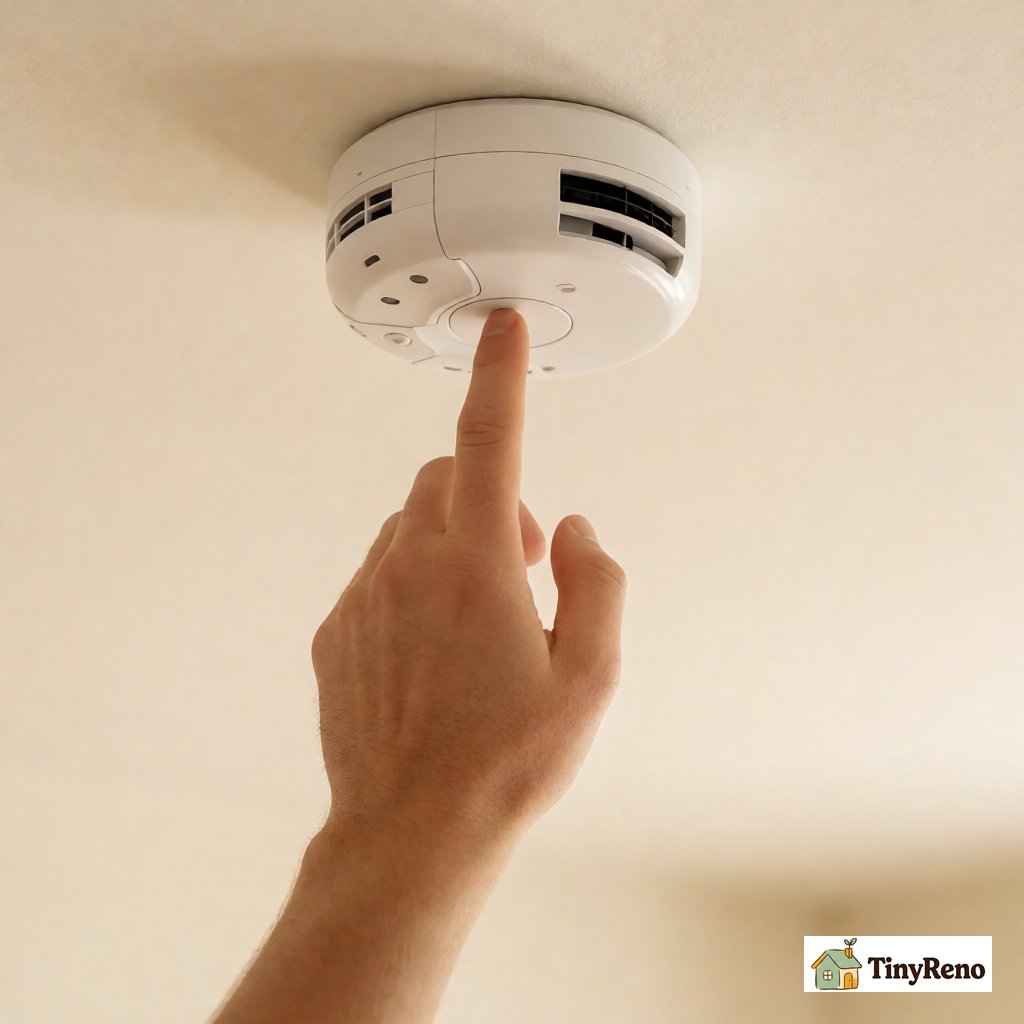
Why Smoke Alarms Chirp When Nothing Is Burning
Three reasons cause a random chirp. The first is low battery, which is what every forum mentions first. The second is end of life: the sensor inside the unit has reached its rated age and the unit beeps to tell you it can no longer reliably detect smoke. The third is a stuck or dirty sensor, often from dust, dead bugs, paint, or kitchen grease that has drifted into the chamber. Ionization alarms, like mine, are more prone to false trips from cooking aerosols because the chamber detects small particles and can mistake them for smoke. Photoelectric alarms, which use a light beam, are less fooled by cooking aerosols but generally respond faster to smoldering fires. Most rental units still use ionization because the units cost less than $10 at a hardware store. The chirp at three in the morning is almost never a fire. It is one of those three problems, and you can usually figure out which one in about five minutes.
The age of the alarm is the most useful piece of information and the one nobody tells you to check first. Every smoke alarm has a manufactured date printed on the back. Kidde’s guidance puts smoke alarm life at 5–10 years depending on the model, with many modern units rated for a full decade[reference:3]. As the sensor drifts and the chamber accumulates dust, even a clean unit may struggle to tell smoke from air, and the chirp becomes the unit’s way of saying it is no longer trustworthy. Mine was manufactured in March 2018, which made it seven years and eleven months old in February 2026. That single number, the age, was the answer. Mike told me this is the biggest reason for chirps in older rentals, and that landlords rarely replace working alarms proactively. They replace dead ones.
The Five Things I Tried, In Order, Before One Worked
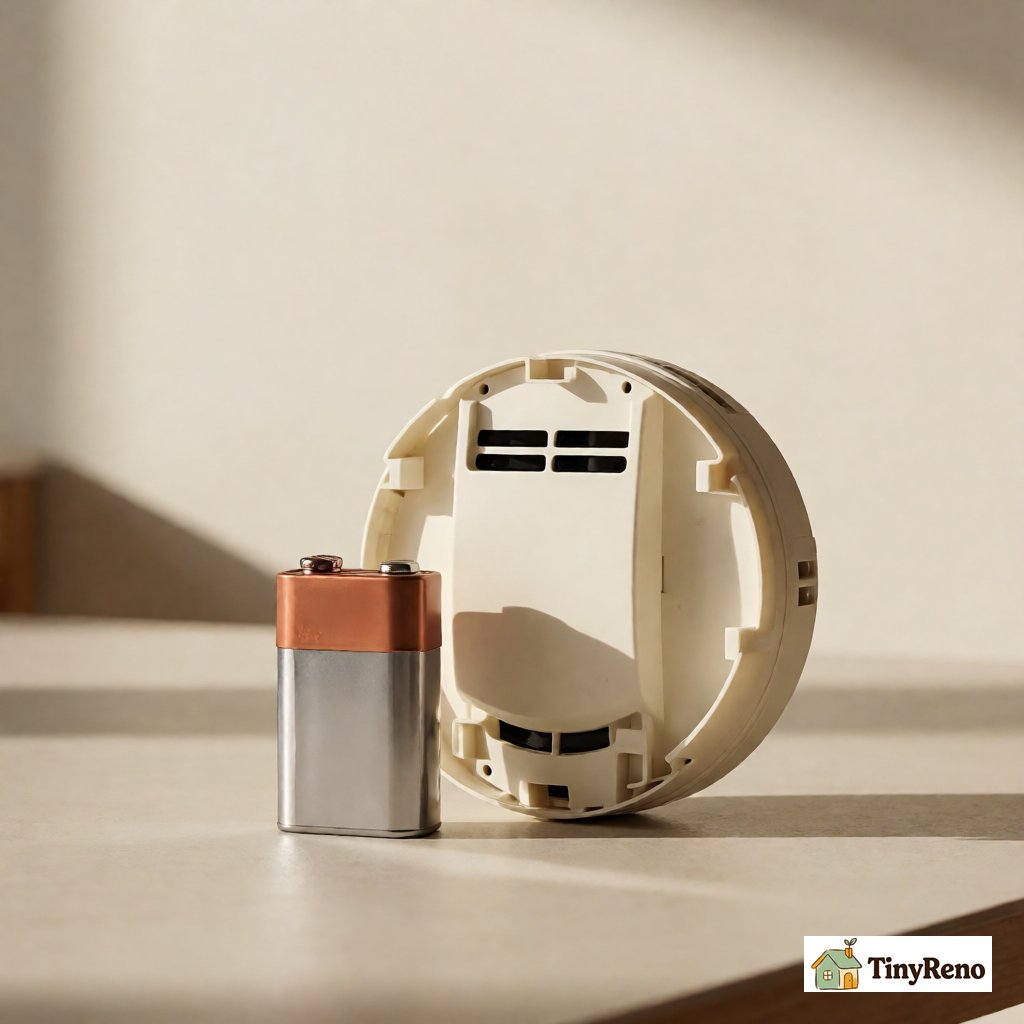
Thing one was the battery swap. The internet says to swap the battery first, and the internet is right often enough to start there. I climbed on a chair with a broom handle to pop the cover, pulled out a yellow Energizer AA that had been in the unit since I moved in, and put in a fresh Duracell. The chirp stopped for six hours and then returned. A fresh battery on a seven-year-old ionization chamber does not always fix it, because if the sensor is near the end of its rated life the unit will keep chirping regardless of battery voltage. This is the trick most forums miss: a new battery can buy you silence, not a repair. On a younger unit still within its rated life, a fresh battery usually works. On a unit approaching the end of its service life, the sensor is the problem and a battery will not fix it.
Thing two was the vacuum. I dragged a shop-vac hose up to the unit and ran it across the vents for thirty seconds, sucking out what I hoped was dust. The chirp did not stop. The vacuum is a useful step because it rules out the stuck-dust possibility, but it has to be done with the battery removed so the sensor is fully off, and it has to be followed by a button-press reset on the unit to clear the memory. I missed the reset step. The chirp kept going because the unit was still holding a fault code in memory even after the chamber was clean. If you try the vacuum, hold the test button on the unit for fifteen seconds after reinstalling the battery. That clears the fault and forces the unit to re-read the chamber.
Thing three was the location check. I pulled the unit down and looked at where it was mounted. It was four inches from a bathroom doorway, meaning every shower I had taken in eight months had been pushing steam and aerosolized soap up into the chamber. The Kidde manual specifies a minimum of three feet from a bathroom door. The chirp was intermittent because the buildup was intermittent. The proper fix is relocation, but as a renter I could not drill into a popcorn ceiling without risking the deposit. The work-around is the cheap trick Mike described, and it does not require relocating anything.
Thing four was the silence-button hold. Every modern smoke alarm has a hush feature that mutes the chirp for eight to ten hours. The button is usually marked with a bell and a slash through it. On my Kidde it was on the front face. I held it for three seconds, the chirp went quiet, and I slept through the night. The hush does not fix anything. It just quiets the unit for the night. If you find yourself hushing your alarm every week, the unit is telling you it has a problem that hush is not fixing. That is the cycle that turns how to stop smoke alarm from beeping randomly into a twice-a-year ritual of hush, sleep, forget, repeat.
Thing five was the cheap trick Mike told me about in the parking lot: dip a cotton swab in isopropyl alcohol and wipe the inside of the chamber. The alcohol dissolves kitchen grease and aerosol residue that has built up on the chamber walls, and it evaporates in under a minute. I bought a four-pack of alcohol wipes at CVS for $6, popped the cover, wiped the inside of the chamber in three swipes, reinstalled the battery, held the test button for fifteen seconds to clear the fault memory, and the chirp stopped. It has been silent for nine months. One caution: check your model’s manual before applying any liquid inside the unit; some manufacturers warn against it, and the method works best on older ionization chambers that have accumulated grease rather than on sealed photoelectric sensors.
The Order That Actually Works, And The One You Should Skip
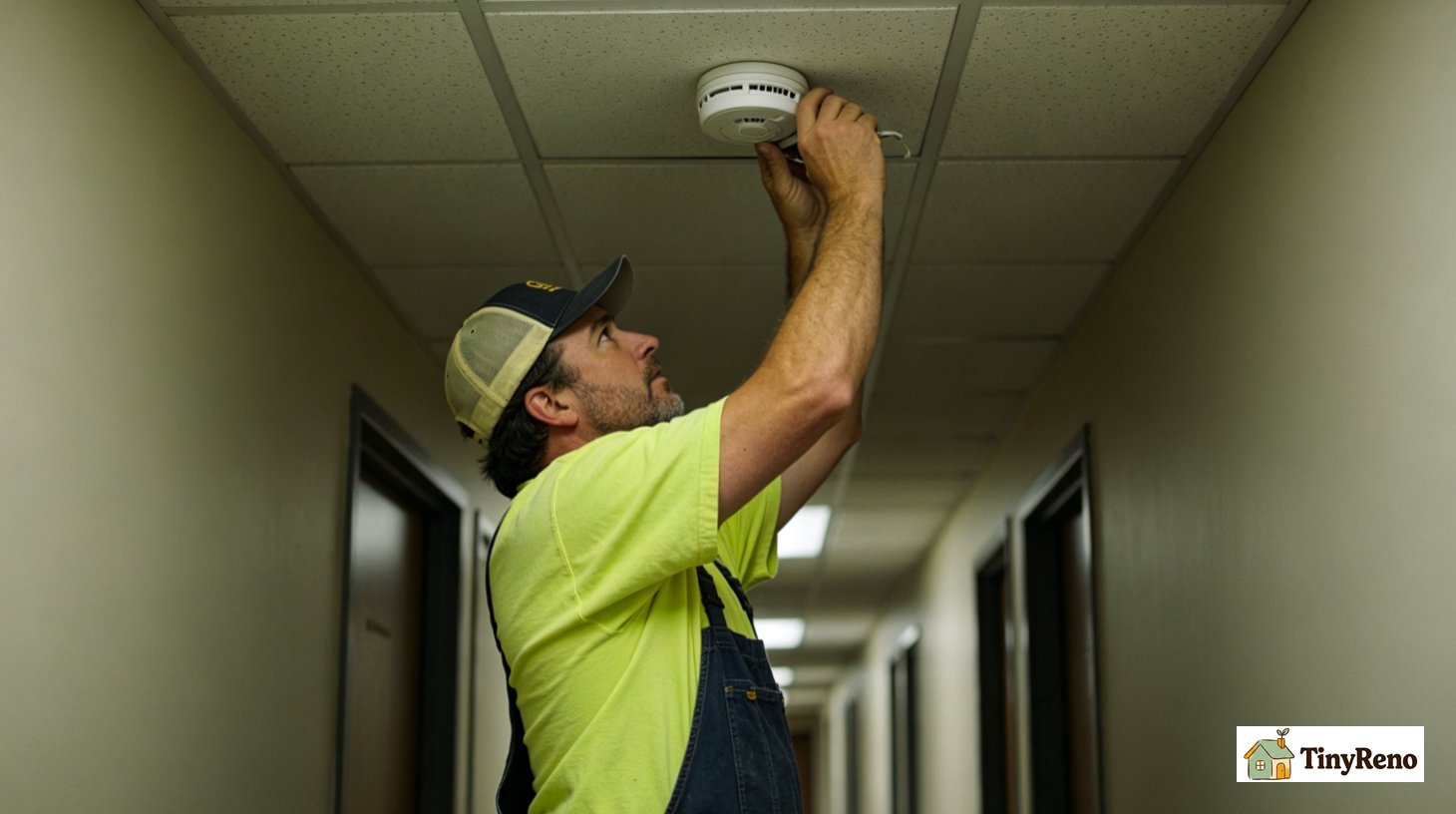
The order Mike recommended, in retrospect, was the right one. Step one: read the manufactured date on the back of the unit. If the unit is past its model’s rated life—5–10 years, often 10—stop. A battery or a cotton swab will not fix an expired sensor. In North Carolina, G.S. 42-42 requires the landlord to provide operable smoke alarms and to replace or repair them within 15 days of written notice from the tenant[reference:5][reference:6]. Email the landlord with the date, a description of the chirp, and a photo. If they do not respond within the statutory window, document the date you notified them and contact county code enforcement. A non-working smoke alarm is a habitability issue, and many landlords replace on the first email once they see the date.
Step two: if the unit is younger and within its rated life, swap the battery. A fresh alkaline battery, not a rechargeable, resolves many chirps in that age range. Step three: vacuum the vents with the battery out, then hold the test button for fifteen seconds to clear any fault code. Step four: check the location. If the unit is within three feet of a bathroom door or directly above a stove, cooking aerosols are likely the cause, and relocation is the proper fix—which as a renter means asking the landlord. Step five: the alcohol swab. That was the fix Mike described in the parking lot, and it was the one that worked on my seven-year-old unit when the battery and the vacuum did not.
The one you should skip is the hush button. It is not a fix. It is a snooze alarm for a problem that will keep coming back. If your landlord replaces the unit, the new one will have a sealed ten-year lithium battery and the chirp problem goes away for a decade. If they do not, the alcohol wipe plus a battery swap plus a fault-clear will buy you another year or two of silence. The end-of-life replacement is the real fix. Everything else is a patch.
What A Landlord Will And Will Not Do In North Carolina
Under North Carolina General Statute 42-42, the landlord must install and maintain smoke alarms in working condition at the beginning of the tenancy. The renter is not responsible for replacing an end-of-life unit. When I emailed my landlord a photo of the manufactured date and a chirp video, he sent a maintenance guy out the next day with a new First Alert photoelectric unit. The install took about four minutes. The whole process from chirp to silence was eleven days, which is one chirp too long, but it is the chain that worked.
The parking lot conversation with Lt. Mike happened by accident. He was loading groceries into the Civic. I asked if he had a minute because I had a chirp problem and he had a fire-department uniform on. He told me the alcohol trick, told me to read the date first, told me not to hush the unit and forget about it, and told me to email the landlord with the date and the photo. The whole thing took maybe four minutes. The chirp stopped the same evening. Lt. Mike is the reason I write this, because the four things on the internet did not work and the one thing in the parking lot did.
My smoke alarm has been silent since that evening. The old Kidde went into the recycling bin at the Wake County household hazardous waste drop-off on Durant Road, which is the right place for a smoke alarm because the chamber in an ionization sensor contains a small amount of radioactive material. The drop-off is free. The next renter’s chirp will not be exactly my chirp, but the chain is the same: read the date, swap the battery if the unit is young, vacuum and clear, check the location, wipe the chamber. If the unit is past its rated life, email the landlord with the photo and let them replace it. That is the sequence I wish I had known on that first Wednesday in February.


Discussion (0)
Sign in to join the discussion