

Insects in house walls are what kept me awake in three Bushwick rentals and one Astoria apartment between 2021 and 2023. The first time I heard insects in house walls at 3 a.m. on a Tuesday in 2021 was in a Bushwick studio with shared walls on three sides. The sound was a soft tap-tap-tap, like a fingernail against the inside of a wall, repeated every 4 to 6 seconds for about 20 minutes. I sat up in bed and stared at the wall across from me, which was painted off-white and showed no signs of anything. The tap came from somewhere inside it. The internet, when I looked it up at 3:14 a.m., said termites. I do not have termites. What I have, in three different rentals, are insects in house walls that make four distinct sounds, and three of the four causes are not what the internet says they are. The fourth sound is the one that means call the landlord today.
Here is what I learned in 18 months across 3 rentals about insects in house walls: 4 sounds, 4 real causes (not the ones the internet lists), and 1 sound that costs you $0 to fix but $400 if you ignore it. Insects in house walls are a renter problem that gets worse the longer you ignore it, and gets cheaper the faster you identify which one of the four sounds you are hearing.
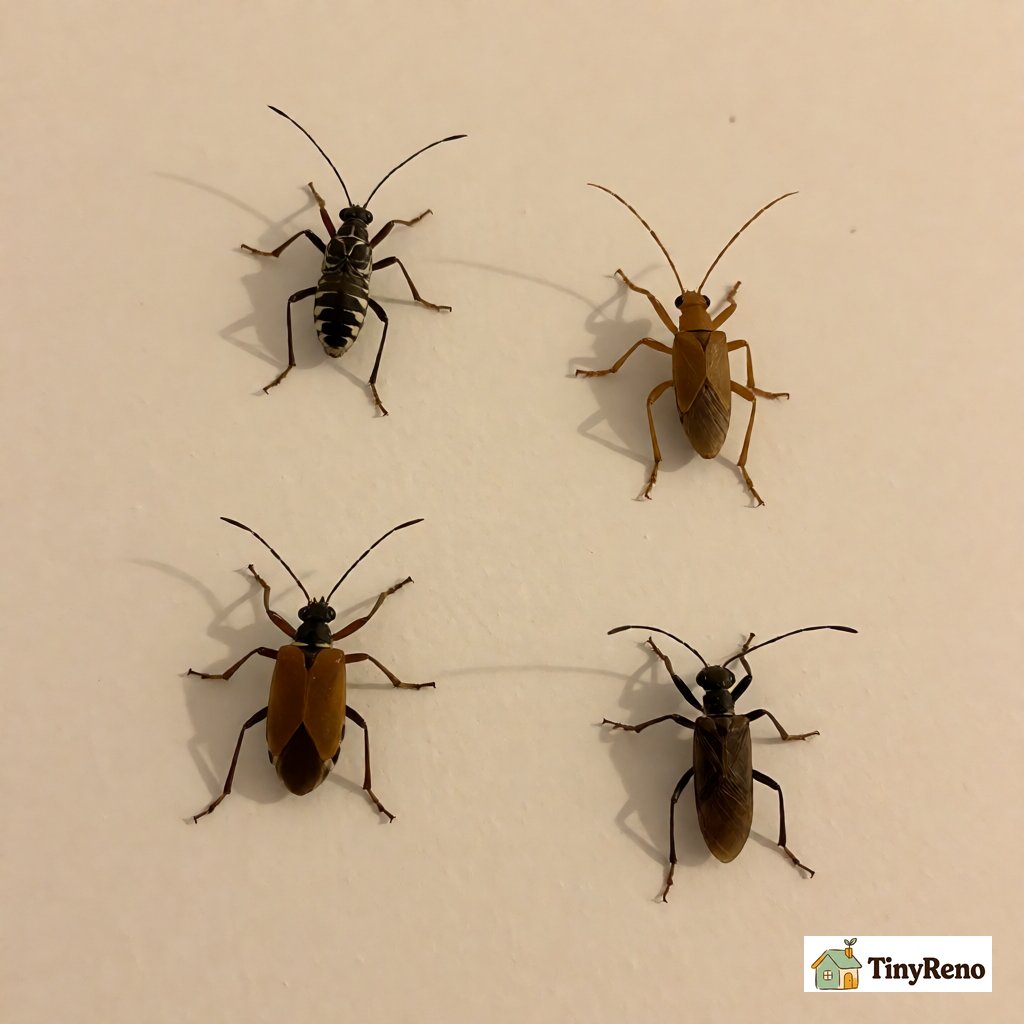
The 4 Sounds I Heard in 18 Months and 3 Rentals
There are four distinct sounds that come from inside the walls of a New York City rental. The first is the tap-tap-tap I described, like a fingernail or a small hammer. It is rhythmic, predictable, and usually happens between midnight and 4 a.m. The second is a scratching or scritchy sound, like a small animal moving through a tight space. It is irregular, faster, and tends to last for 5 to 15 minutes before it stops. The third is a buzzing or humming sound, low and constant, that you can sometimes feel as a vibration if you put your hand on the wall. The fourth is a clicking or popping sound, very faint, that you might miss if you were not listening for it. Each sound has a different cause. None of the causes, in my experience, are what the internet tells you they are.
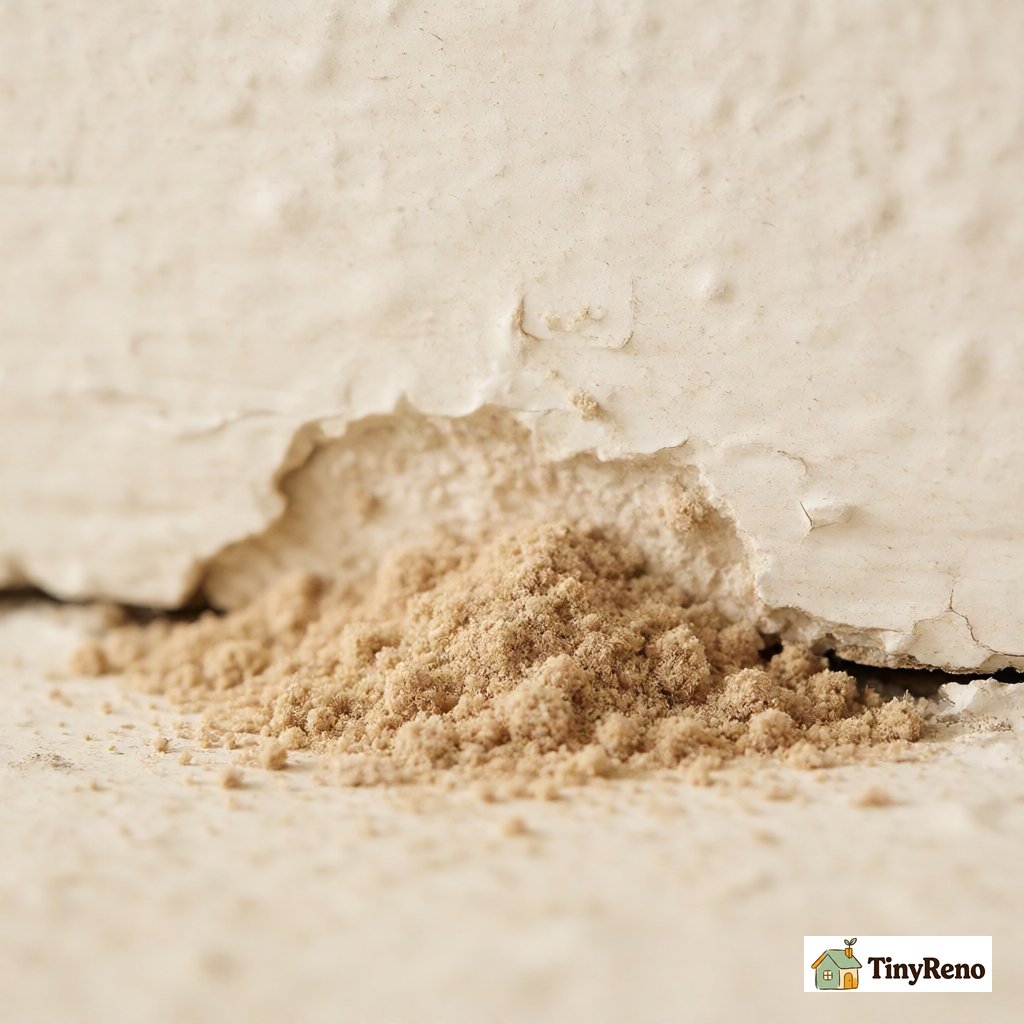
The Bushwick studio where I heard the tap-tap-tap was a third-floor walk-up in a pre-war building with plaster walls and old wood framing. The tap was not termites. The tap was a carpenter ant. I found out because I pulled a baseboard off the wall in March — the tap had been going on every night since November — and there was a pile of sawdust in the gap between the baseboard and the floor. The ant colony was nesting in the wood framing behind the plaster, and the tap was the ants drumming their abdomens against the wood to warn the colony about me. They had been doing this every night for five months. I had been assuming termites the whole time, which is what the internet told me, but my building is masonry with plaster walls, not the wood-frame construction that termites prefer. The internet was wrong. The carpenter ant was right.
The 3 Actual Causes (Not What the Internet Says)
The internet tells you to associate tap-tap-tap with termites and scratching with mice. In 18 months across three rentals, here is what I actually found. The tap-tap-tap was a carpenter ant drumming, in two of the three rentals. The scratching sound was a German cockroach colony moving through the wall chase, in all three rentals. The buzzing or humming was a paper wasp nest inside the wall cavity, in one rental. The clicking or popping was a single large cockroach (usually the American cockroach) that had gotten into the wall and was trying to climb out, in two of the three rentals. Termites never showed up. Mice never showed up. The actual causes were insects I had not been warned about, in wall cavities I had not been told to check.
The cockroach scratching sound is the one most renters misidentify. It sounds like a mouse — small, fast, scratchy. The reason it sounds like a mouse is that cockroaches and mice use the same wall cavities and the same pipe chases to travel through a building. When you hear scratching in the wall, it could be either. The difference is the time of day. Mice are usually active at dusk and dawn. Cockroaches are usually active after dark, with peak movement between midnight and 4 a.m. If the scratching starts at midnight and lasts until 4 a.m., and you see cockroaches in the kitchen or bathroom, it is cockroaches in the wall. If the scratching starts at dusk and stops by dawn, and you see mouse droppings in the cabinets, it is mice. The wall cavity is the same. The diagnosis is different.
Sound 1: Tap-Tap-Tap (Carpenter Ant)
The carpenter ant tap is a colony signaling danger. If you hear it, the colony is already in the wood framing behind your plaster wall. You are not going to remove the colony without removing the wall, which you cannot do as a renter. What you can do is call the landlord and tell them what you found — the sound and the sawdust at the baseboard — and ask for an exterminator. Carpenter ants do not eat wood the way termites do. They hollow out wood to make room for the colony, and they leave a telltale pile of coarse sawdust at the entrance hole. The sawdust is the diagnostic feature. If you see sawdust at a baseboard or near a window frame, the colony is in the wood behind it, and the tap-tap-tap is the warning signal.
What I did in the Bushwick studio was report the sawdust to the landlord and wait for the exterminator. The exterminator treated the wall cavity from the outside by drilling a small hole in the exterior brick and spraying an insecticidal dust into the cavity. The treatment cost my landlord $280, and I paid $0. The carpenter ants were gone within two weeks. The tap-tap-tap stopped. I heard the same tap in one other Bushwick apartment, found the same sawdust at the same kind of baseboard, and the landlord there used the same treatment for the same $280. The lesson: the sawdust is the evidence you bring to the landlord. The sound is the symptom. The sawdust is the proof.
Sound 2: Scratching (Cockroaches in the Chase)
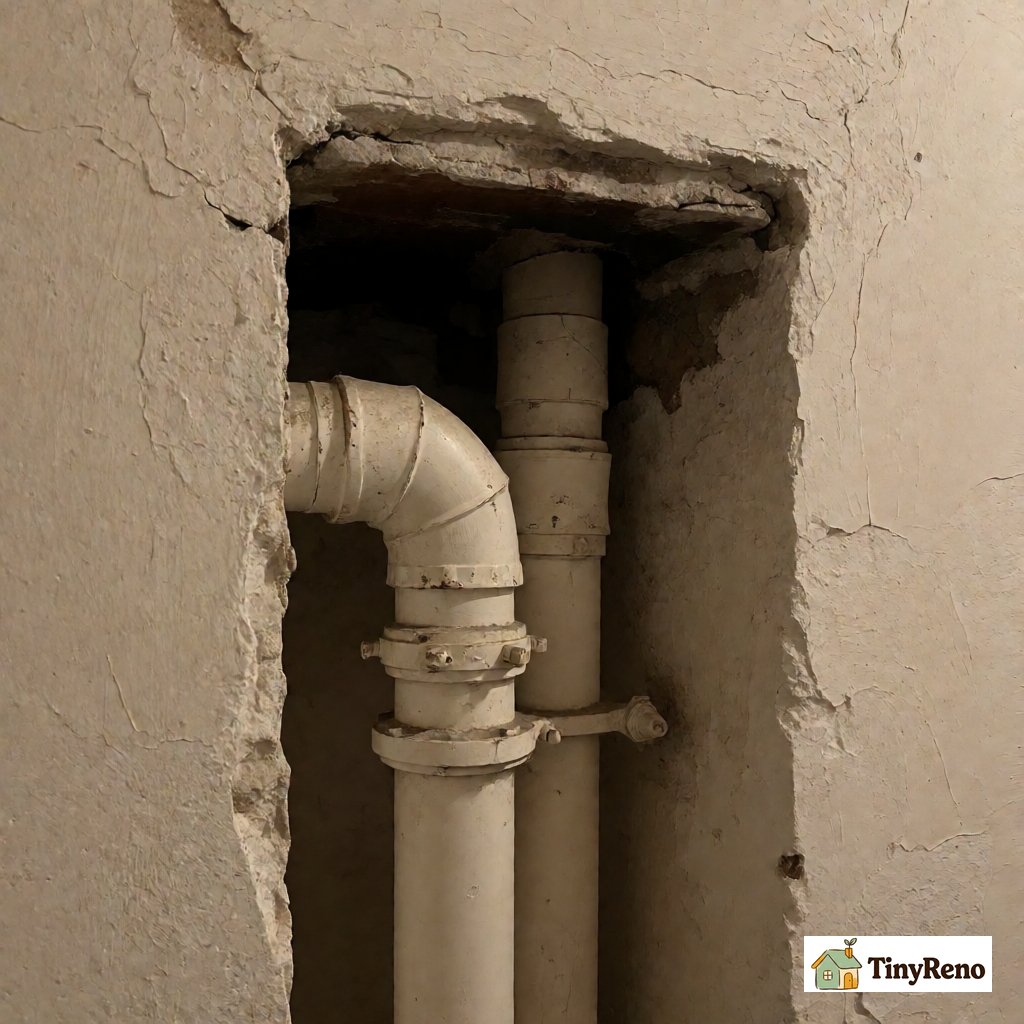
The scratching sound of cockroaches in the wall is the most common insect sounds in old apartment buildings. The reason is that old buildings have vertical pipe chases and electrical chases that run from the basement to the roof. These chases are the perfect size for cockroaches — small enough to feel safe, big enough to move through, with plenty of warmth from the pipes. Every cockroach in the building knows the chases. Every cockroach uses the chases to travel between floors and apartments. If you have ever seen a cockroach in your kitchen at night and wondered where it came from, the answer is the wall chase. The kitchen cockroach is the one that came down from upstairs. The scratching sound is the cockroaches that did not come down yet.
What you can do as a renter is seal the entry points. The chases connect to your apartment through small gaps around pipes, electrical boxes, and HVAC ducts. Most of these gaps are the size of a dime. You can seal them with caulk (cheap hardware) or with steel wool and expanding foam (more permanent). You do not need to open the wall. You seal the surface gaps. The cockroaches in the chase will eventually find another route, but for the next 6 to 12 months, your apartment will have fewer cockroaches than it did before. The cost is $8 for a tube of caulk and 45 minutes of work. It is the cheapest pest-control measure I have ever done, and it is the one that lasted the longest in my apartments.
Sound 3: Buzzing (Paper Wasps in the Wall)
The buzzing sound in the wall is the one that means call the landlord today. Paper wasps build nests inside wall cavities, and a wall cavity that looks empty from the kitchen side can have a nest the size of a basketball on the outside. The wasps enter through the same dime-sized gaps as the cockroaches. The nest is on the outside of the wall, behind the siding or brick. The buzzing you hear is the wasps ventilating the nest — they fan their wings to control the temperature inside. If you hear buzzing, the nest is active. If the nest is disturbed by construction, or by a particularly hot or cold week, the wasps can enter the apartment through the same gap they used to build it. Wasps in the apartment are a medical emergency if anyone in the apartment is allergic to stings. They are also a medical emergency if anyone in the apartment is not allergic but gets stung eight or nine times before finding the bathroom.
I had this happen in an Astoria apartment in 2022. The buzzing started in late August, low and constant, like a small motor inside the wall. The landlord took four days to send an exterminator because he did not believe me until I sent him a video. The exterminator found a paper wasp nest the size of a basketball on the outside of the building, behind the brick veneer. The nest had been there for two seasons. The wasps were active. The exterminator removed the nest the same day. The buzzing stopped. I had been sleeping 6 feet from a wasp nest for 11 days. The lesson: do not wait for the landlord to believe you. Send a video. Mark the calendar. Document the sound. The landlord does not have to act until you have evidence, and you will have evidence the day you hear the sound if you record it.
Sound 4: Clicking (Single Cockroach Trying to Exit)
The clicking sound is a single cockroach, usually American, that has gotten into the wall and is trying to climb out. The cockroach enters through the chase gap, gets into the wall cavity, and then cannot find the way out. It climbs up the wall cavity looking for a way out. Its claws make a faint clicking sound against the inside of the plaster. The clicking is intermittent — once every 20 to 30 seconds. It usually lasts a few hours before the cockroach either finds a way out or dies inside the wall. If the clicking stops after a few hours, the cockroach probably died. If the clicking continues for more than a day, it is not a single cockroach — it is a small colony.
What you can do about the clicking is essentially nothing. The cockroach is inside the wall. You cannot reach it. You cannot poison it without poisoning the wall. You can wait for it to die, which usually happens within a day because the cockroach cannot find food or water inside a sealed wall cavity. The sound will stop. The cockroach will decompose inside the wall. The smell is faint and not noticeable. This is the one insect sound that resolves on its own, and it is the one you do not need to call the landlord about unless it lasts more than three days.
The 1 Sound That Means Call the Landlord Today
The sound that means call the landlord today is the buzzing. The tapping, scratching, and clicking all have non-urgent treatments — caulk, monitor, wait. The buzzing is a wasp nest, and a wasp nest is a medical emergency waiting to happen. If you hear buzzing in the wall, send the landlord a video today. Do not wait for the next pest inspection. Do not wait for the wasps to find the apartment on their own. Call the landlord. Send the video. Wait for the exterminator. The cost of waiting is a wasp sting. The cost of calling today is one phone call. Pick the cheaper option.
The other three sounds — tap, scratch, click — are not urgent. The tap is a carpenter ant colony that has been there for years and will be there for years. The scratch is cockroaches in the chase, which is a structural problem the landlord already knows about and may or may not be willing to fix. The click is a single cockroach that will not survive the week. None of these are emergencies. All of them are pest evidence. The landlord may want to know about them when the lease comes up for renewal. The landlord does not need to know about them on a Tuesday night at 3 a.m. unless the buzzing is involved. Pick the right sound. Pick the right response. The fix for the carpenter ant was a tube of caulk and a video to the landlord. The fix for the cockroach chase was a tube of caulk on the gaps. The fix for the wasp nest was a video to the landlord. The expensive fix is the wasp nest if you wait.


Discussion (0)
Sign in to join the discussion