

Window screen pull tabs was the project I thought would take 10 minutes and took an hour because I bought the wrong type. The first time, in my fourth apartment, the screen had a broken pull tab and I assumed any window screen pull tabs at the hardware store would work. I bought a $4 pack of metal pull tabs, brought them home, and the tabs didn't fit the screen frame. I had to make a second trip, and the second trip cost me $8. What follows is the 4 types of window screen pull tabs I tested, the 3 mistakes I made, the 1 type to skip, and the 1 renter hack that works.
The 3 Signs You Need New Pull Tabs (Not a New Screen)
The first sign is a broken tab. The tab is the small handle on a window screen pull tabs that sticks out from the screen frame, and the tab is the part you grab to pull the screen out of the window. A broken tab is usually missing entirely, or the tab is hanging by a thread. If the tab is missing, you have to use a screwdriver or pliers to pull the screen out, and the screwdriver scratches the frame. A broken tab is a $4 to $12 fix for the window screen pull tabs, not a $20 to $40 screen replacement.
The second sign is a loose tab. A loose tab wiggles when you grab it, and the tab may fall off the screen when you pull the screen out of the window. A loose tab is usually the result of the spline (the rubber cord that holds the tab in the frame's groove) becoming brittle and shrinking. The fix is to replace the tab, and the fix usually requires replacing the spline at the same time. A loose tab is a $6 to $14 fix, depending on whether you replace the spline.
The third sign is a bent tab. A bent tab is usually bent at a 90-degree angle, and the bent tab makes it hard to grab the screen. The bent tab is usually the result of forcing the screen back into the window without aligning the tabs with the slots in the frame. The fix is to bend the tab back, or to replace the tab if the bend has fatigued the metal. A bent tab is a $0 to $8 fix, depending on whether you can bend it back.
The 4 Pull Tab Types (And What Each Costs)
Type one is the metal pull tab. This is a small metal handle, usually 1 inch long and 1/2 inch wide, with a barbed end that inserts into the screen frame's groove. The metal tab is the most common pull tab at the hardware store, and it's the tab that comes with most builder-grade screens. The metal tab costs $4 for a pack of 4. The downside is that the metal tab is rigid, and a bent metal tab is hard to bend back. The metal tab has a rigid barb that can scratch the frame if it's forced into a groove that's too narrow. Any tab can scratch the frame if it's installed carelessly, but the metal tab is less forgiving than plastic because it doesn't flex. If the groove is the right size, neither material scratches the frame. The same pattern shows up on discolored walls in apartments — small details that are easy to ignore become big problems if you don't address them.
Type two is the plastic pull tab. This is a small plastic handle, usually 1 inch long and 1/2 inch wide, with a barbed end that inserts into the screen frame's groove. The plastic tab is the upgrade choice for screens that are removed frequently, and it's the choice for renters who don't want to scratch the frame. The plastic tab costs $5 for a pack of 4. The downside is that the plastic tab is more flexible than the metal tab, and the barbed end can break off if the tab is forced into a slot that's too small. The plastic tab can become brittle over time and crack at the barb, especially if the screen is exposed to a lot of sun. But the tab doesn't fall out on its own — the spline holds it in the groove. If the spline is intact, both metal and plastic tabs stay in place.
Type three is the spring pull tab. This is a small tab with a spring mechanism that allows the tab to retract into the frame when the screen is being inserted, and to extend when the screen is in place. The spring tab is the upgrade choice for screens that are removed and inserted frequently (more than 4 times a year), and it's the choice for renters who want the screen to sit flush with the frame when the screen is in place. The spring tab costs $8 for a pack of 2. The downside is that the spring mechanism can fail after 2 to 3 years, and a failed spring tab is harder to replace than a fixed tab. The spring tab is also the most expensive of the four types.
Type four is the clip-on pull tab. This is a small tab that clips onto the screen frame from the outside, with no spline or barb. The clip-on tab is the renter's choice, because the clip-on tab doesn't require inserting anything into the frame's groove. The clip-on tab costs $6 for a pack of 4. The downside is that the clip-on tab is more visible than the other tabs, and the clip-on tab may fall off if the clip is bent. The clip-on tab is also the easiest to install and the easiest to remove at move-out.
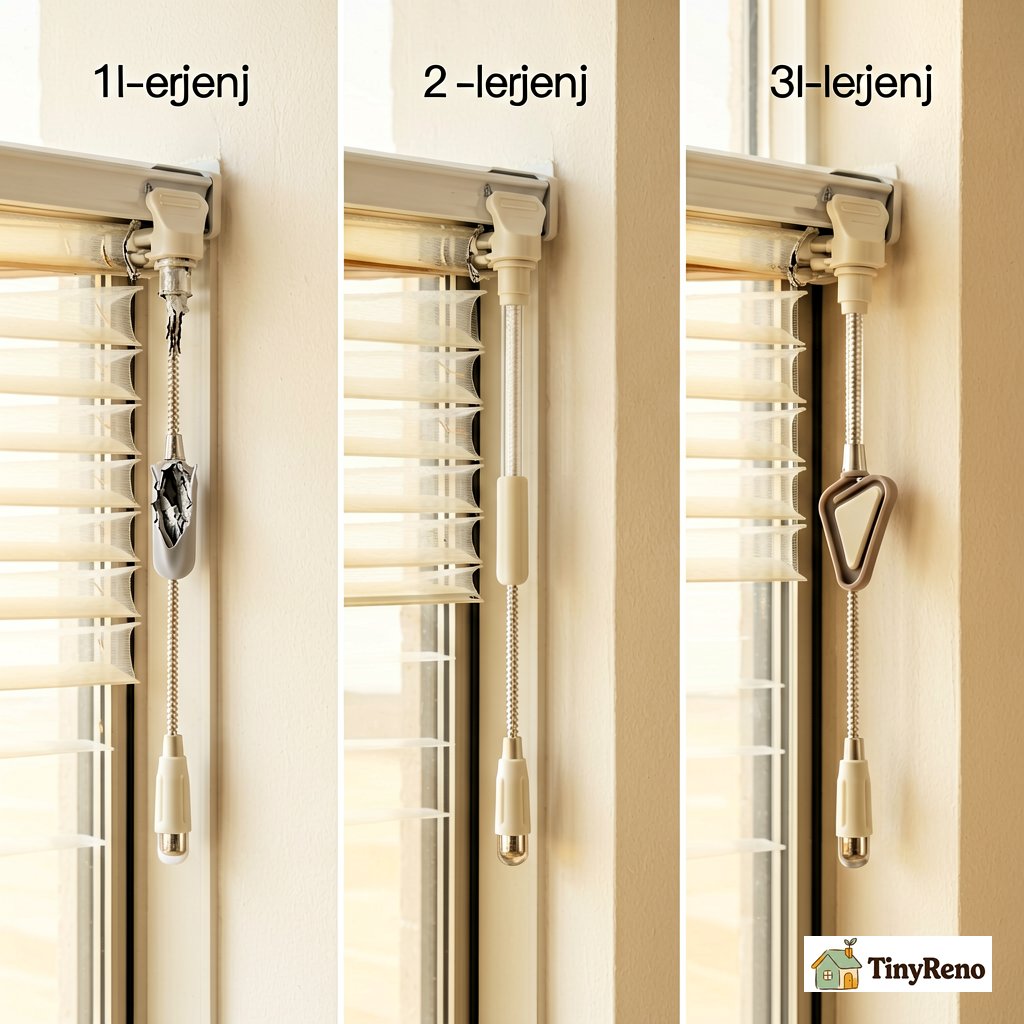
How to Match the Tab to Your Screen Frame
The third time I bought a pull tab, I did it differently. I removed the old tab — or what was left of it — and brought it to the hardware store with me. The clerk matched the barb to a replacement in under a minute. I paid $5 for a pack of four plastic tabs, installed one in five minutes, and the screen pulled out smoothly for the rest of the lease. The lesson wasn't that plastic is better than metal. The lesson was that bringing the old part to the store beats guessing.
Most window screens use one of a few standard groove sizes, and the pull tab has to match the groove size, not the frame material. The groove is the channel that runs around the inside of the screen frame, and the spline sits in the groove to hold the mesh. The pull tab has a barbed end that slides into the same groove. If the barbed end is too wide, it won't fit. If it's too narrow, it will slide out. Measure the groove width and depth, and match those numbers to the tab. The way to identify the frame is to look at the screen frame's material — aluminum is silver, wood is brown, vinyl is white, composite is gray, fiberglass is black. The frame may be painted, but the material is usually visible at a corner of the frame where the paint has chipped.
If you can't identify the frame, the next step is to remove one of the existing tabs and bring it to the hardware store. The clerk can match the tab's barb to a replacement. The match has to be exact — the barb has to fit the groove, and the tab has to sit in the groove at the right height. If the clerk can't match it, the online retailers have cross-reference charts that match the tab to the screen frame brand. The online price is usually half the hardware store price, but the shipping takes 3 to 5 days.
If you can't remove the existing tab (because the tab is broken or the spline is seized), the last resort is to measure the groove and the tab. The groove is usually 1/8 inch wide and 1/4 inch deep, and the tab is usually 1 inch long and 1/2 inch wide. The measurement is enough to narrow down the replacement to 2 or 3 options, and the cross-reference chart at the hardware store will identify the right one. For a renter, this is the slowest path, but it's the only path when the screen is older than 20 years and the brand is no longer in production.
How to install a pull tab:
-
If there's an old tab, pull it out of the groove with pliers. If it's held in by the spline, lift the spline out of the groove with a flathead screwdriver, remove the tab, and set the spline aside.
-
Slide the new tab's barbed end into the groove where the old tab was. The tab should sit flat against the frame.
-
Press the spline back into the groove over the tab's barb. Use a spline roller or the edge of a flathead screwdriver to push the spline into the groove.
-
Pull on the tab to test it. If it holds, you're done. If it slides out, the barb is too narrow for the groove — try a different tab.
The 1 Type to Skip (And the 1 Renter Hack That Works)
The one type to skip is any pull tab that's labeled as "universal fit" without a brand match. These are usually low-quality tabs that don't match any specific frame, and the barb has to be filed or sanded to fit the groove. The filing introduces metal shavings into the groove, and the shavings damage the spline when the spline is replaced. The price is half the matched tab's price, but the lifespan is also half. For a renter, the universal fit is not worth the savings.
The one renter hack that works when the tab stays bent is to use a pair of pliers to bend the tab back. The pliers go on the bend, and the bending force is applied in the opposite direction of the bend. Don't apply too much force — the metal is thin, and too much force will snap the tab. The fix takes 30 seconds, and the bent tab is usually reusable for another 1 to 2 years. The same advice applies to door handle repair kits — the cheap fix is good enough for a renter who won't be there long enough to see the cheap fix fail.
One renter-to-renter warning. The metal pull tab is the most common at the hardware store, but the metal tab is also the most likely to scratch the screen frame. The scratch is cosmetic, not structural, but the scratch shows up on the security deposit walkthrough. The plastic or clip-on tab is the better choice for a renter who wants the frame to look new at move-out. The plastic tab costs $5 for a pack of 4, and the 4 tabs cover most of the screens in a 2-bedroom apartment. The $1 savings from buying the metal tab is not worth the $50 to $100 the landlord may deduct for a scratched frame.
If the Tab Stays Bent (The 90-Second Test)
The 90-second test is to bend the tab back, then pull the screen out and put it back in 3 times. If the tab stays straight after 3 insertions and removals, the tab is reusable. If the tab bends again after the first insertion, the metal is fatigued and the tab needs to be replaced. The test takes 90 seconds, and the test tells you whether the $0 fix (bend it back) is enough or whether you need the $4 to $12 fix (replace the tab).
If the tab is missing entirely, the 90-second test is to insert a screwdriver into the groove where the tab should be, and try to pry the screen out. If the screen comes out with the screwdriver, the groove is the right size for a new tab. If the screen doesn't come out, the groove is the wrong size or the spline is missing, and the screen needs to be replaced or the spline needs to be replaced. The spline replacement is a 30-minute job, and the spline costs $4 to $8 for a 6-foot length.


Discussion (0)
Sign in to join the discussion