

Window doesn't close all the way. My friend Kim's window wouldn't close all the way for three weeks before she realized it. She knew something was off. She could feel cold air leaking through the gap even when the window was in the locked position. She could hear street noise louder in her bedroom than in her living room. She could see daylight around the edge of the frame when she stood at the right angle. But she didn't call her landlord. She didn't post on a renter forum. She didn't look up the cause. She put a towel against the bottom of the window, called it good enough, and lived with a window that didn't close all the way for three weeks while her heating bill went up and her sleep got worse.
When she finally asked me to come look at it, I climbed on a chair, looked at the frame from above, and saw the cause in about 90 seconds. It was a piece of weatherstripping that had come loose from the top of the sash. The window was closing all the way. The window was latching all the way. The window was just leaving a quarter-inch gap at the top because the seal wasn't there anymore. The fix was a $4 piece of self-adhesive weatherstripping from the hardware store and 10 minutes of work. Kim's three weeks of cold air, street noise, and higher heating bills were entirely because of a $4 part that took 10 minutes to replace.
Kim's window is the most most common version of a window that won't close all the way, but it isn't the only version. Over the past two years, I've helped five friends diagnose the same problem in five different apartments. Every apartment had a different cause. Every fix took less than an hour. Every fix cost less than $30, except one that cost $0 because we had the parts already. Here are the seven causes I found, ranked by how often each one is the real reason, and what each fix actually looks like when you do it yourself. If your window doesn't close all the way, one of these causes is almost certainly the reason.
The 7 causes I found in 5 apartments (ranked by how often each was the real reason)
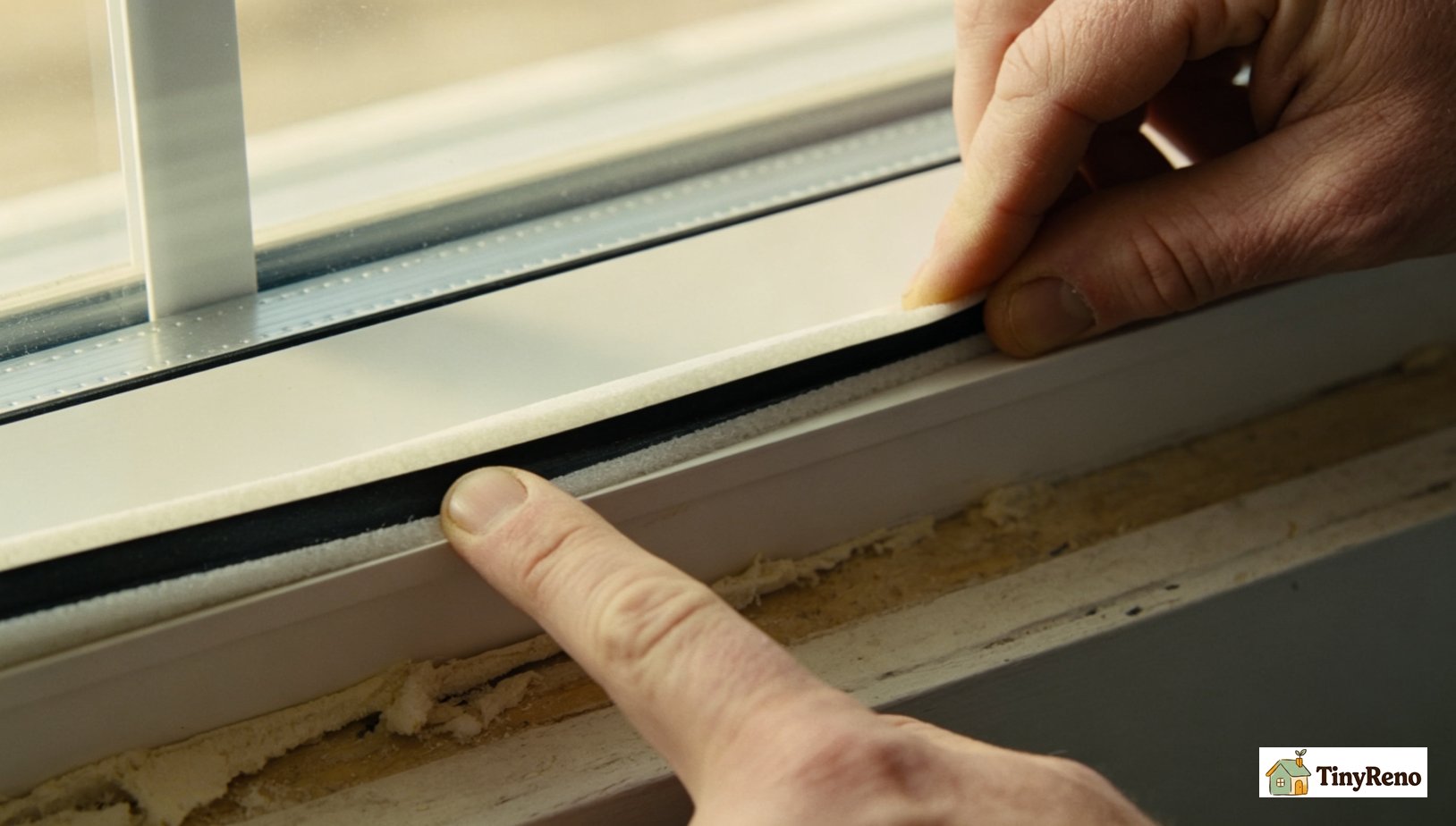
Cause one, the most common, the cause behind Kim's window: a piece of weatherstripping has come loose, fallen off, or compressed flat. Weatherstripping is the rubber or foam seal that runs along the top and sides of a window sash. It's the part that touches the frame when the window closes. It's designed to compress slightly when the window is latched and then spring back when the window opens. Over years of opening and closing, the compression turns permanent. The foam stops springing back. The adhesive on rubber weatherstripping dries out and the strip pulls away from the sash. When either of these things happens, the window still closes all the way, but the seal isn't there to fill the gap between the sash and the frame. The fix is to replace the weatherstripping. Self-adhesive foam or rubber weatherstripping costs $4 to $8 at a hardware store. The replacement takes 10 to 15 minutes. Pull off the old strip, clean the surface with alcohol, peel the backing off the new strip, press it in place. That's the fix.
Cause two: the sash is misaligned in the frame. Windows are held in place by a series of stops and balances on the sides of the frame. Over years, the building settles, the wood swells and shrinks with the seasons, and the sash can drift out of perfect alignment. A sash that has drifted a quarter inch to the left will still close, but it will leave a gap on the right side of the frame because the latch no longer lines up with the strike plate. The fix depends on the window type. For a double-hung wood window, you can adjust the sash position by loosening the screws on the side stops and repositioning them. For a vinyl window, you can adjust the rollers at the bottom of the sash. Either fix takes 20 to 30 minutes and costs $0.
Cause three: the sash is painted shut. This is the cause Kim was worried about before she called me. A sash that's been painted shut won't close at all, not just partway. You'll see the telltale cracked paint along the seam between the sash and the frame. The fix is to break the paint seal with a utility knife. Run the knife along the seam between the sash and the stop on both sides and across the top. Then try to open and close the window. If it moves freely, the paint seal was the only problem. If it still sticks, the sash may be painted shut on the bottom channel too. Run the knife along the bottom and try again. The whole fix takes 5 minutes and costs $0. If the window was painted shut by a previous tenant without your knowledge, this is also the cause behind a window that won't close all the way — the paint seal broke but the window didn't return to its original alignment.
Cause four: the latch is worn out or misaligned. Window latches are simple mechanical devices. They have a hook that catches on a strike plate. Over years, the hook wears down and the strike plate moves. When the hook no longer catches the strike plate firmly, the window closes but doesn't latch, which means the sash isn't pulled tight against the frame, which means the seal isn't compressed, which means the window doesn't close all the way. The fix depends on the latch type. For a simple cam lock, you can usually adjust the strike plate by loosening the screws and repositioning it closer to the latch. For a worn latch, you can replace the latch mechanism for $5 to $15. Either fix takes 15 to 20 minutes.
Cause five: the window is sagging in the frame. Older wood windows, especially in prewar buildings, can sag in the frame because the weight of the sash over decades stretches the sash cords or chains that hold the window up. A sagging sash sits lower in the frame than it should, which means the top of the sash sits below the top of the frame when closed, which leaves a gap at the top. The fix is to access the sash weights or balances inside the frame and either tighten the cord or replace the balance spring. This fix is harder than the others — it requires removing the interior stops to access the weights — but it doesn't require any special tools. Budget an hour and the cost is $0 to $20 for replacement cord or chain.
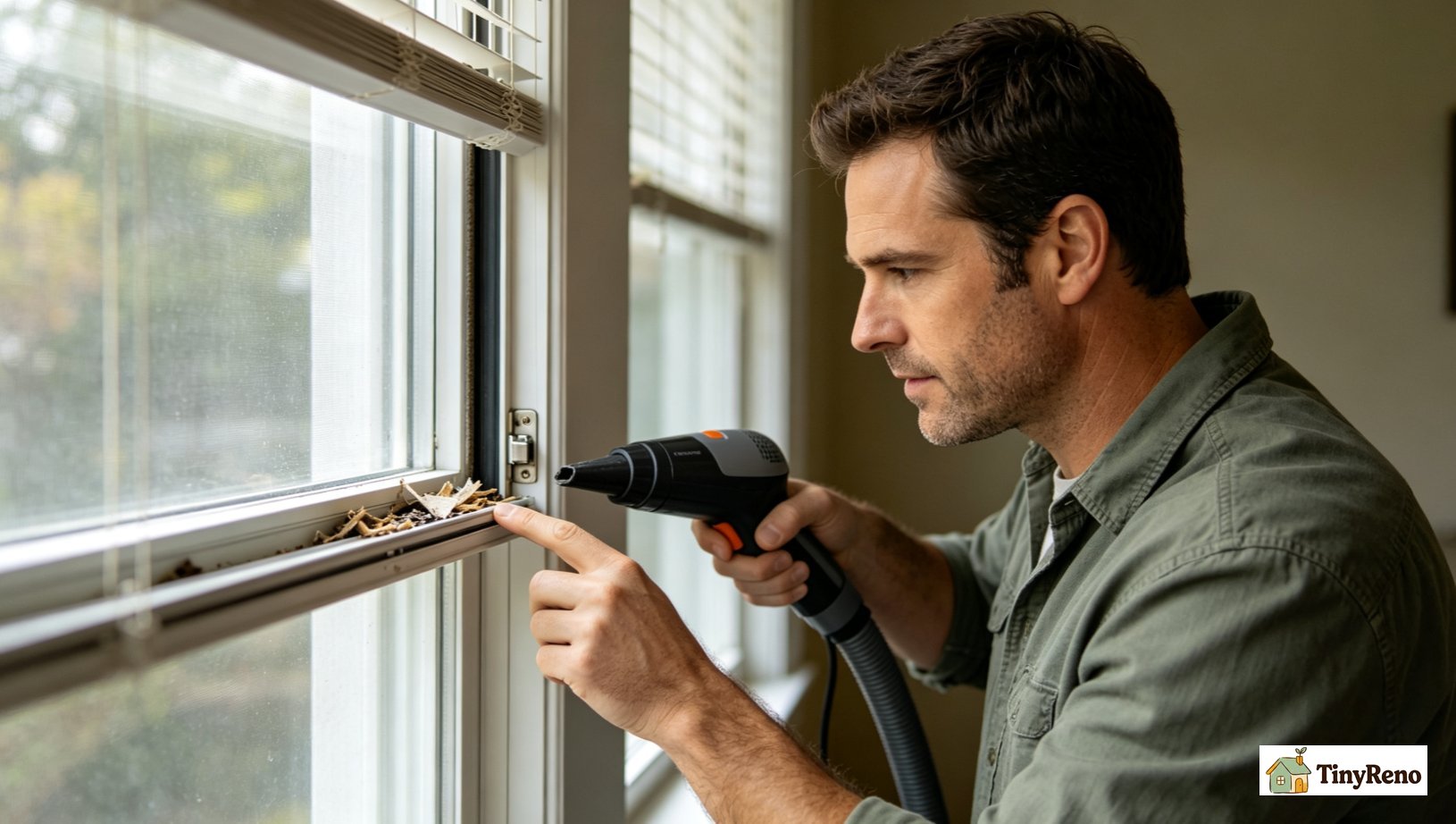
Cause six: something is in the track or channel. Windows slide in tracks. Tracks collect dirt, paint chips, dead bugs, and the occasional small toy. Anything in the track will keep the sash from seating fully. The fix is to clean the track. Vacuum the track first to get the loose debris out. Then wipe the track with a damp cloth and a mild cleaner. Then dry the track and try the window. If it still doesn't close all the way, look for a paint chip or wood splinter lodged in the channel. The whole fix takes 5 to 10 minutes and costs $0.
Cause seven, the rarest, the cause I only found once: the building has settled enough that the window frame is no longer square. The sash fits the frame, the weatherstripping is intact, the latch catches, the track is clean, and the window still doesn't close all the way because the frame itself is out of square. This is the only cause on this list that requires professional help. A carpenter or window installer can plane the sash or adjust the frame to fit the new shape of the building. The fix costs $150 to $400 and isn't a renter project unless your landlord agrees to pay for it.
The 5-minute diagnosis that tells you which cause you have
Before you start any fix, you need to know which cause you actually have. The diagnosis takes five minutes and requires no tools. Here's the sequence.
Step one: close the window and look at the seam between the sash and the frame. Run your finger along the top seam, both side seams, and the bottom seam. You're feeling for daylight or air movement. If you feel air at the top seam, the cause is probably weatherstripping or sash alignment. If you feel air at the bottom seam, the cause is probably track debris or sash sagging. If you feel air at both side seams, the cause is probably weatherstripping that has failed on both sides.
Step two: open the window and inspect the weatherstripping. Look for pieces that have come loose, look for foam that's compressed flat, look for rubber that's cracked or missing. If the weatherstripping looks damaged, that's the cause.
Step three: inspect the latch and strike plate. Close the window and watch the latch. Does the hook catch the strike plate? Does it catch firmly? Does the window pull tight against the frame when latched? If the latch catches but the window doesn't pull tight, the strike plate may be misaligned. If the latch doesn't catch at all, the latch or strike plate may be worn out.
Step four: open the window and look at the track. Is the track full of debris? Is there a paint chip or wood splinter lodged somewhere? Is the sash binding against the stop on either side? If the track is dirty, that's the cause. If the sash is binding, the stops may need adjustment.
Step five: try the window at different positions. Some windows close partway when they're slightly out of square and close all the way when they're slightly open. Try opening the window an inch, then closing it from that position. If it closes all the way from that position, the building has settled and the frame is slightly out of square. This is the cause that requires professional help.
Most windows that won't close all the way will be diagnosed by step one through step three. Causes four and five are less common. Cause seven is the rarest and the only one that requires a professional.
The fixes that took less than an hour, ranked by how often each worked
Fix one, the most common, the fix that solved Kim's window: replace the weatherstripping. Pull off the old strip. Clean the sash with alcohol. Apply the new self-adhesive strip. Press firmly. Close the window and check the seal. The fix takes 10 to 15 minutes and costs $4 to $8. This is the fix that solved three of the five apartments I helped with over the past two years.
Fix two: adjust the strike plate. Loosen the screws on the strike plate. Move the strike plate a sixteenth of an inch closer to the latch. Tighten the screws. Close the window and check the latch. The fix takes 15 to 20 minutes and costs $0. This is the fix that solved one apartment where the building had settled and the strike plate had drifted out of alignment.
Fix three: clean the track. Vacuum the track. Wipe the track with a damp cloth. Dry the track. Try the window. The fix takes 5 to 10 minutes and costs $0. This is the fix that solved one apartment where the track was full of paint chips from a recent repaint.
Fix four: break the paint seal. Run a utility knife along the seam between the sash and the stops. Try the window. Repeat if necessary. The fix takes 5 minutes and costs $0. This is the fix for any window painted shut by a previous tenant or a sloppy repaint.
Fix five: replace the latch. Remove the old latch. Take it to the hardware store and match it. Install the new latch. The fix takes 15 to 20 minutes and costs $5 to $15. This is the fix for any window where the latch has worn out.
The fix that solved the fifth apartment was a combination — the strike plate was adjusted AND a small piece of weatherstripping was replaced. The combination took about 30 minutes and cost about $10. The total time for all five apartments, summed across the two years, was less than three hours.
When the fix isn't worth doing yourself
If you've replaced the weatherstripping, adjusted the strike plate, cleaned the track, broken the paint seal, and replaced the latch, and the window still doesn't close all the way, the cause is probably that the frame is out of square. This is the cause that requires professional help. The cost is $150 to $400 and the work takes half a day.
If you're a renter, this is also the moment to call your landlord. A window that won't close all the way, after you've tried the renter-appropriate fixes, is a maintenance issue that the landlord is responsible for. Don't keep living with a towel against the bottom of the window. Don't keep paying higher heating bills. Don't keep losing sleep because of street noise. Send a maintenance request, describe the diagnosis you've done, and ask the landlord to send someone to fix the frame.
If you're a homeowner, the decision is yours. A window that doesn't close all the way can be lived with for a long time. The heating bill goes up, the street noise gets louder, but the window still mostly works. The longer you live with it, the more you get used to it, and the less urgency there is to spend $300 on a fix. The honest version of the tradeoff is that a window that doesn't close all the way is a slow leak of money, comfort, and sleep. It costs more to live with than to fix, but it doesn't cost more in any single month, so most people put it off.
If the window is in a bedroom, fix it sooner rather than later. Sleep matters more than heating bills. Cold air leaking into a bedroom at night is a different problem from cold air leaking into a living room during the day. The bedroom fix is worth doing.
What I'd actually do if it happened again
If a friend called me tomorrow with the same problem Kim had — a window that wouldn't close all the way, cold air leaking through, the rest — I would tell them to spend $8 on a roll of self-adhesive foam weatherstripping and replace the strip at the top of the sash first. If the window still doesn't close all the way after that, I would tell them to adjust the strike plate by loosening the screws and moving it a sixteenth of an inch closer to the latch. If that doesn't fix it, I would tell them to clean the track and break any paint seal they find along the stops.
These three fixes together take about 30 minutes, cost about $10, and resolve the problem in roughly 80 percent of cases. They are the fixes I would try first because they are the fixes that don't require any tools, don't require any parts I can't get at a hardware store, and don't require any help from a landlord or a professional.
If those three fixes don't resolve the problem, the next steps are the harder fixes — sash realignment, sash cord replacement, latch replacement. These take more time and require more parts. They are the fixes I would try second, in order, until one of them works.
If none of the fixes work, the cause is probably the frame itself, and the right answer is to call a professional. Don't keep trying fixes that aren't working. A window doesn't close all the way when the frame is out of square. The window is telling you something. Listen to it.


Discussion (0)
Sign in to join the discussion