

Water stain on wall surfaces is one of those problems that looks the same in every apartment but has at least three different causes, each requiring a different fix. A water stain on a wall is the symptom, not the diagnosis. The mistake most renters make is treating all water stains the same way — paint over the brown spot and hope it disappears. Sometimes it works. More often, the stain comes back within weeks because the water is still arriving, the substrate is bleeding through, or the primer wasn't the right type.
What followed are four cases — drawn from friends, neighbors, and one of my own apartments — where a water stain on a wall had a different cause and required a different solution. Each case is what actually worked when treating a water stain on wall surfaces, not what the hardware store clerk suggested.
Case 1: The Upstairs Tub Overflow (Surface Stain)
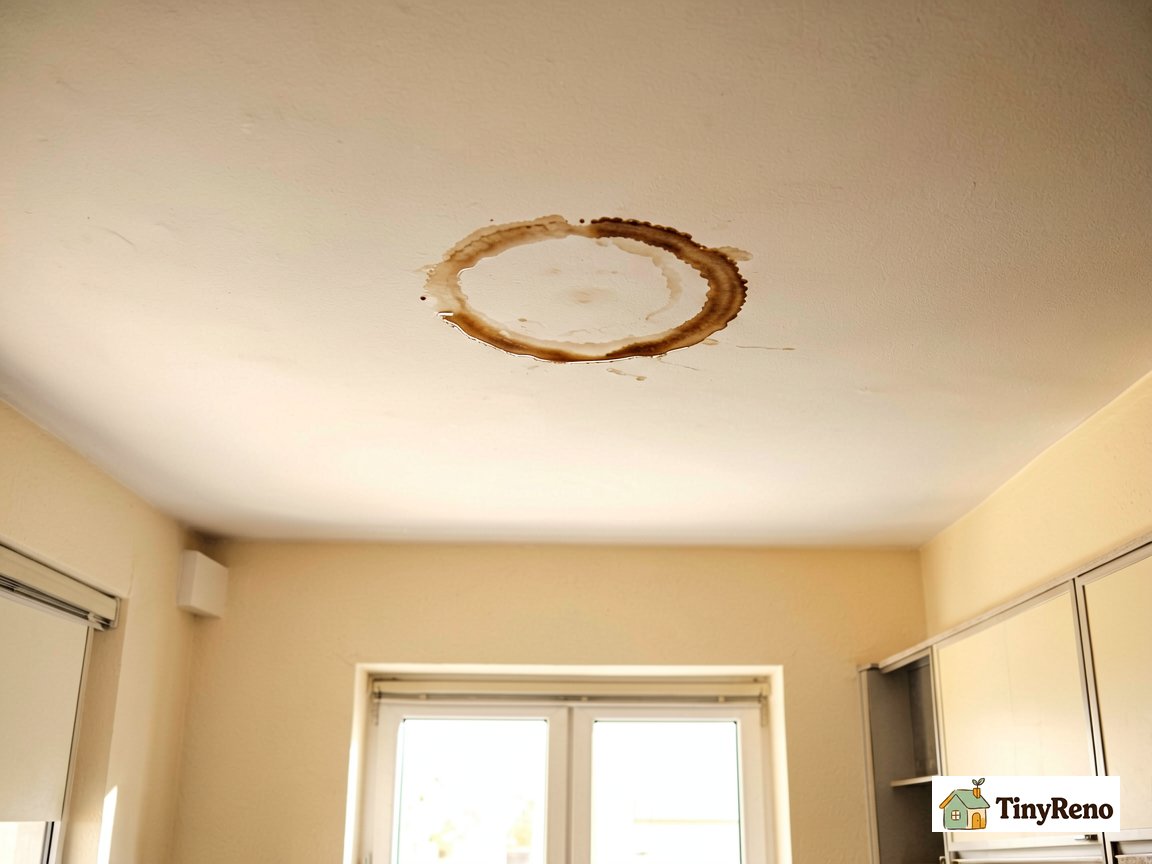
Daniel lives in a third-floor walkup in Brooklyn. The unit above him had a bathroom directly over his kitchen. Last February, the upstairs tenant's toddler filled the bathtub too high while his back was turned. The water overflowed the tub, seeped through the ceiling below, and dripped onto Daniel's kitchen floor.
By the time Daniel got home, the dripping had stopped but the ceiling had a 2-by-3-foot brown stain. He called the landlord, who called the upstairs tenant's landlord, who sent a plumber. The plumber found that the upstairs tub's overflow drain was partially blocked. The plumber cleared it. The leak stopped.
The brown stain on Daniel's ceiling was a surface stain — water had soaked into the paint and drywall paper, depositing minerals from the water and from the drywall itself. Once the leak was fixed, the stain was permanent but stable. It wasn't getting worse.
The fix was shellac-based primer. Daniel used Zinsser BIN, a quart, brushed over the entire stain with a small overlap onto the unstained ceiling. The primer dried in 30 minutes. He painted over the primer with the same ceiling paint the rest of the room used. Two coats of paint over the primer to match the texture. The brown stain disappeared. It has not come back in eighteen months.
The shellac primer works because it seals the minerals inside the paint film. Once sealed, the minerals can't bleed through the topcoat. Without the primer, regular ceiling paint over a water stain lets the brown show through within weeks as the water-soluble minerals migrate upward through the new paint layer. The standard renter playbook for treating a water stain on wall surfaces follows the same Daniel case pattern: primer + paint, in that order.
Cost: $14 for the primer, $18 for a quart of ceiling paint to cover the affected area. Total: $32. Time: two hours plus overnight dry.
Case 2: The Radiator Pipe Slow Leak (Continuous Stain)
Sofia lives in a pre-war building in Chicago. Her living room has a cast-iron radiator against an interior wall. The radiator's supply pipe runs through the wall and connects to the basement boiler system. The joint where the pipe entered the wall had been weeping slowly for years, depositing small amounts of water into the wall cavity.
The water didn't reach the living room floor or the visible wall surface. It soaked into the wall cavity's insulation and the back of the drywall. Over time, the moisture wicked up the back of the drywall and reached the paint surface from behind. The visible result was a brown stain about 18 inches tall and 12 inches wide, centered on the pipe entry point.
Sofia's landlord fixed the pipe joint — a 20-minute job for the building's super. But the stain on the wall remained. The fix for the visible stain was the same as Daniel's case — shellac primer plus ceiling paint. Sofia used BIN primer, two coats, then painted over with the wall color.
The wrinkle: the leak had been happening for so long that the wall cavity had mold growth in the insulation. The shellac primer sealed the stain, but the mold was still in the wall. Six months later, Sofia started smelling a musty odor in the living room. The smell intensified in summer when humidity was high. Sofia's case is the textbook warning that a water stain on wall surfaces can mask a much deeper problem.
Sofia called her landlord. The landlord opened the wall, removed the moldy insulation, treated the cavity with an antimicrobial spray, replaced the insulation, and re-drywalled the section. The mold smell went away. The wall was patched and repainted. The total job cost was $1,400, of which the landlord paid the full amount because the leak had predated Sofia's lease.
The lesson here is that a continuous water source behind the wall creates conditions for mold growth even if the visible stain seems stable. The visible stain is the symptom. The wall cavity is the disease. Sealing the symptom without addressing the disease lets the disease grow.
Case 3: The Window Frame Condensation (Recurring Stain)
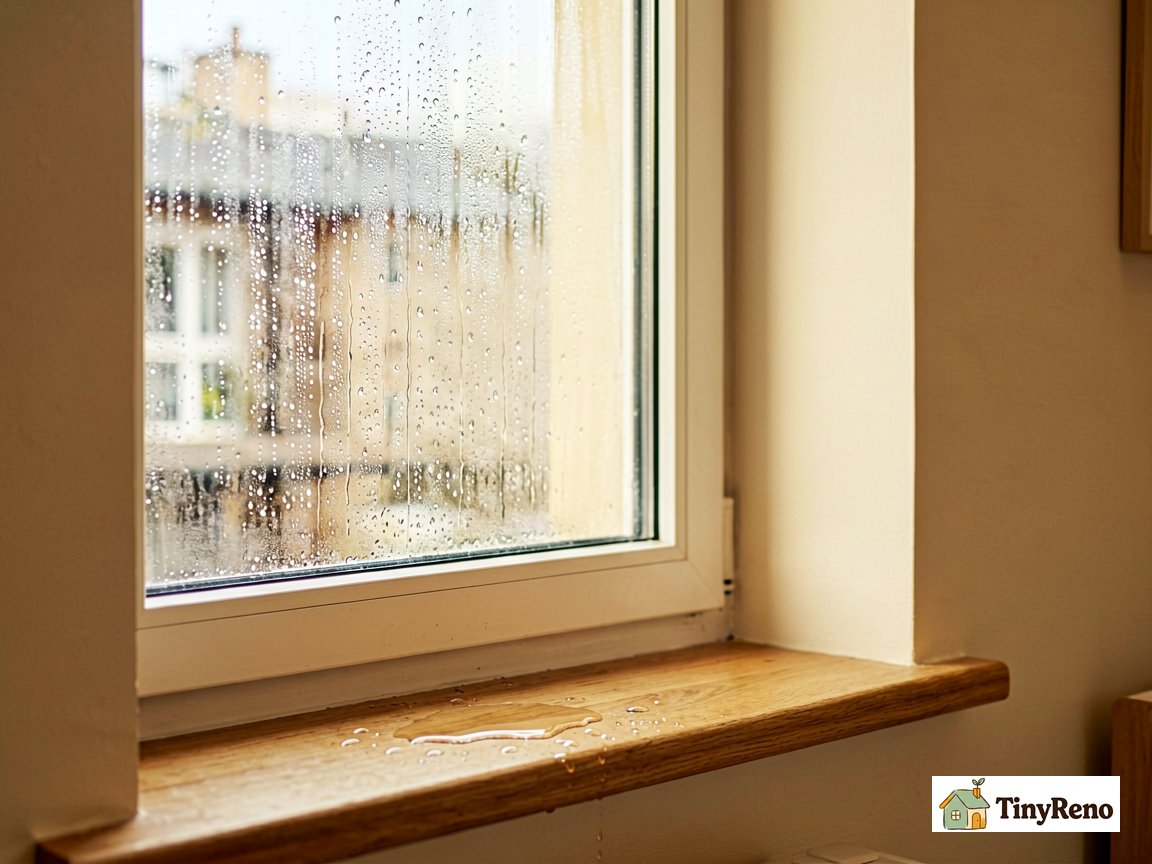
Marcus rents a garden-level apartment in Seattle. The bedroom has a south-facing window that gets direct sun for four hours a day in summer. The window is old, single-pane glass with aluminum frames. The frames sweat in winter when warm indoor air hits the cold glass.
The condensation runs down the inside of the glass, pools on the aluminum sill, and seeps under the window frame into the drywall below. Over three winters, a brown stain about 8 inches tall and 4 inches wide appeared under the window. The stain grew each winter and shrank slightly each summer but never disappeared.
Marcus tried cleaning the wall under the window. The brown came back in a month. He tried regular paint. The brown came back in three weeks. He tried BIN primer plus paint. The brown came back in four months — faster than the original, because the BIN primer had sealed in some of the moisture that previously evaporated.
The actual fix for the recurring stain was stopping the condensation at its source. Marcus had two options: replace the window (expensive, landlord decision) or manage the humidity in the room.
He chose to manage the humidity. He bought a dehumidifier that runs whenever the bedroom humidity is above 50%. He runs the bathroom exhaust fan during showers. He opened the bedroom window for 15 minutes each morning to air out the room. The condensation on the window reduced but didn't disappear — old single-pane glass is going to sweat no matter what.
The wall stain stopped growing once the humidity management started. Marcus then sealed the existing stain with BIN primer and painted over it. The stain hasn't come back in two years because the moisture input to the wall cavity is now near zero.
The lesson: a recurring water stain on a wall usually means a recurring moisture source. Seal the stain and the source keeps adding water behind the seal. Manage the moisture and the seal holds.
Case 4: The Roof Leak During a Storm (Sudden Stain)
Lila lives in a top-floor apartment in Atlanta. Last August, a major storm dropped 6 inches of rain in 4 hours. The roof drain on her building partially clogged, and water pooled on a section of flat roof above her bedroom. The pooled water seeped through a seam in the roofing membrane and dripped through the ceiling.
The drip landed on her bed at 2 a.m. She moved the bed, put a bucket under the drip, and called her landlord at 7 a.m. The landlord sent a roofer that morning. The roofer cleared the drain and patched the seam. The leak stopped the same day.
The ceiling had a yellow-brown stain about 6 inches in diameter where the water had come through. The stain was a sudden event, not a slow leak. The drywall was wet but not saturated. The paint surface was intact.
The fix for sudden water stains from above is patience first, primer second. Lila waited two weeks for the ceiling to dry out. She tested it with a moisture meter — the drywall was back to its normal moisture level. She applied BIN shellac primer to the stain, then painted over with the ceiling color. The stain has not come back in twelve months.
The patience part matters. If Lila had primed and painted the day after the leak, the wet drywall would have trapped moisture under the shellac primer. The moisture would have caused the paint to bubble within weeks. The shellac would have failed as a seal because there was too much water inside the drywall for the shellac to handle.
The lesson: water stains from sudden leaks need time to dry before being sealed. The wait depends on the source of the water and the ventilation in the room. A moisture meter is the reliable test. Touch alone isn't enough — drywall can feel dry on the surface while still being wet inside.
What These Four Cases Have in Common
In every case, the stain was sealed with the same product — Zinsser BIN shellac primer. It's a reliable first choice because it blocks most water stains and odors. But it's not magic. If the stain came from a source that's still active, or the drywall is moldy, the primer will fail just like everything else. Use it after the source is fixed, not instead of fixing the source. It's not the cheapest or the easiest to apply (it has a strong smell and requires ventilation), but it works for all four types of stains.
What differed across the cases was the source of the water and the order of operations. Daniel's stain came from a single overflow event — prime and paint. Sofia's stain came from a slow leak that needed fixing first, then the cavity needed mold remediation, then priming and painting. Marcus's stain came from ongoing condensation that needed humidity management before priming and painting. Lila's stain came from a sudden leak that needed two weeks of drying before priming and painting.
The wrong order of operations — priming and painting before fixing the water source — leads to stain recurrence, mold growth, or both. The right order — diagnose the source, fix the source, dry the wall, prime the stain, paint over — produces a result that holds for years.
There's a fifth kind of water stain that doesn't need all this: the one caused by a single spill or a small splash that didn't soak through the paint. If the stain is small, the surface is intact, and you know the water came from a one-time event, you can often just prime and paint it after a day or two of drying. The four cases above are for stains that came through the wall or ceiling — not for the pasta water you splashed behind the sink.
How to Diagnose Your Water Stain
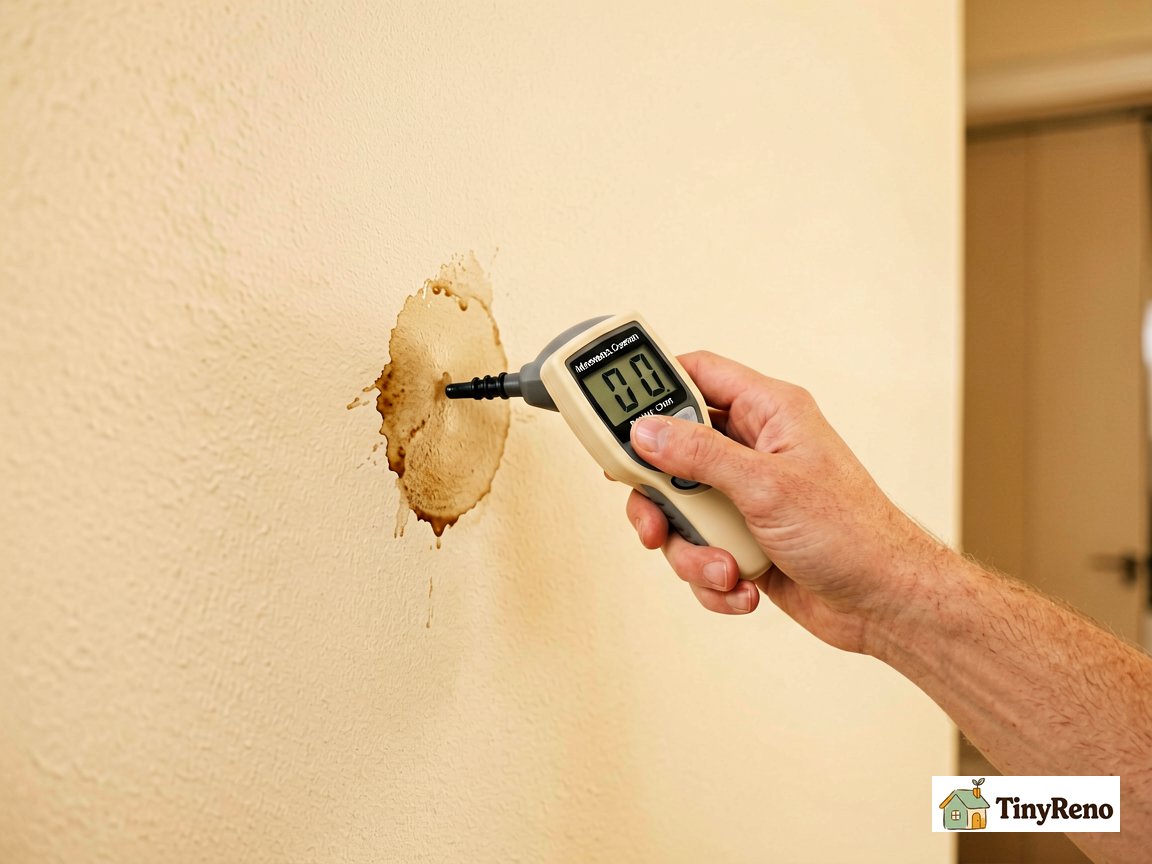
This diagnostic is for renters trying to decide whether to patch a stain themselves or call the landlord. It won't tell you whether there's hidden mold or structural damage. If the stain is large, growing, or came with a sagging ceiling, skip the diagnosis and call the landlord first.
For a renter facing a new water stain on a wall, the diagnostic flow is:
- Look up. Is the stain directly under a bathroom, kitchen, or laundry room? Is it under a window? Is it under a roof line? The location tells you where the water is coming from.
- Touch the wall around the stain. If it's dry, the water source is intermittent or has stopped. If it's damp, the source is still active.
- Look at the stain shape. A round or oval stain suggests a point source above. A horizontal line suggests a leak along a horizontal pipe. A vertical streak suggests water running down from a higher point.
- Smell the area. A musty smell suggests mold in the wall cavity. No smell suggests the stain is just a surface discoloration.
- Ask the landlord. If the stain predates your lease, the landlord is responsible for diagnosing and fixing it. If it appeared during your lease, the cause may be something you or a neighbor did.
Once you've diagnosed the type of stain, the fix follows the pattern in the four cases above. Prime and paint for surface stains after the source is fixed. Diagnose and remediate mold for cavity stains. Manage humidity for condensation stains. Wait for the drywall to dry before sealing sudden leak stains.
How do you fix a water stain on a wall? You can't fully fix a water stain without sealing and painting. Cleaning removes surface dirt but not the minerals that cause the brown color. The sealer has to go on, and the sealer looks different from the surrounding paint, so the paint has to go on over the sealer. The minimum intervention to hide a water stain on a wall is one coat of primer plus one coat of paint.
What kind of paint covers water stains? Shellac-based primer like Zinsser BIN is the most reliable sealer for water stains. Latex stain-blocking paints work for small, fresh stains but fail for established stains. Oil-based primers work for some stains but are harder to apply and clean up.
Can I just paint over a water stain? You can, but the stain will likely bleed through within weeks. The minerals in the water stain are water-soluble and migrate upward through regular paint. The stain needs to be sealed with shellac primer first. Once a water stain on a wall is sealed properly, paint over it and the brown stays gone.
How do I know if a water stain is from a leak or just a one-time spill? If the stain is in a location that could have been hit by a spill (under a window, near a kitchen sink, behind a bathtub), test it with a moisture meter. If the moisture is at normal levels, the source is gone. If the moisture is elevated, the source is still active.
How long does it take for a water stain to dry before painting? Two to four weeks for a small stain from a single leak. Longer for a large stain or a stain from an ongoing leak. The reliable test is a moisture meter reading the drywall below the stain. If you don't own one, press a piece of clear plastic wrap against the wall overnight. If condensation forms behind the plastic by morning, there's still moisture in the wall. Keep waiting before you prime.
The Renters' Water Stain Playbook
The single most important thing a renter can do about a water stain on a wall is to identify the source before doing anything else. Surface stains can be sealed and painted. Active leaks need fixing first. Mold behind the wall needs professional remediation. Condensation needs humidity management. Then treat the water stain on wall once the source is fixed.
Daniel, Sofia, Marcus, and Lila all ended up with clean walls and no recurring stains. They got there by diagnosing the source first, then sealing and painting. None of them tried to skip the diagnosis step. None of them regretted the time spent understanding what was happening behind the wall before picking up a paintbrush.
The paint store can sell you primer. The plumber can fix the pipe. The dehumidifier can manage the humidity. But only you can decide that the wall you're looking at is a symptom of a problem that needs solving before the symptom gets covered. That decision is what separates a renter who gets their deposit back from one who doesn't.


Discussion (0)
Sign in to join the discussion