

Discolored walls were the inheritance of every apartment I rented for ten years. The first place had nicotine stains behind the bed. The second had water stains under the kitchen window. The third had rust bleeding through from old nails in the bathroom. The fourth had a mystery yellow patch above the radiator that the landlord swore was "always there."
Over those four leases, I spent roughly $340 on the wrong cleaners, the wrong primers, and the wrong paints before I figured out that discolored walls aren't one problem. The products that actually worked cost less than a third of that. They're six different problems that look the same from a distance. The fix that works on nicotine ruins a water stain. The fix that hides rust streaks bleaches a smoke film. Mixing them up costs you the deposit.
Here's what I learned, in the order I learned it, with the products that worked and the ones that wasted money.
The First Apartment: The Bedroom Smell and the Yellow Streak
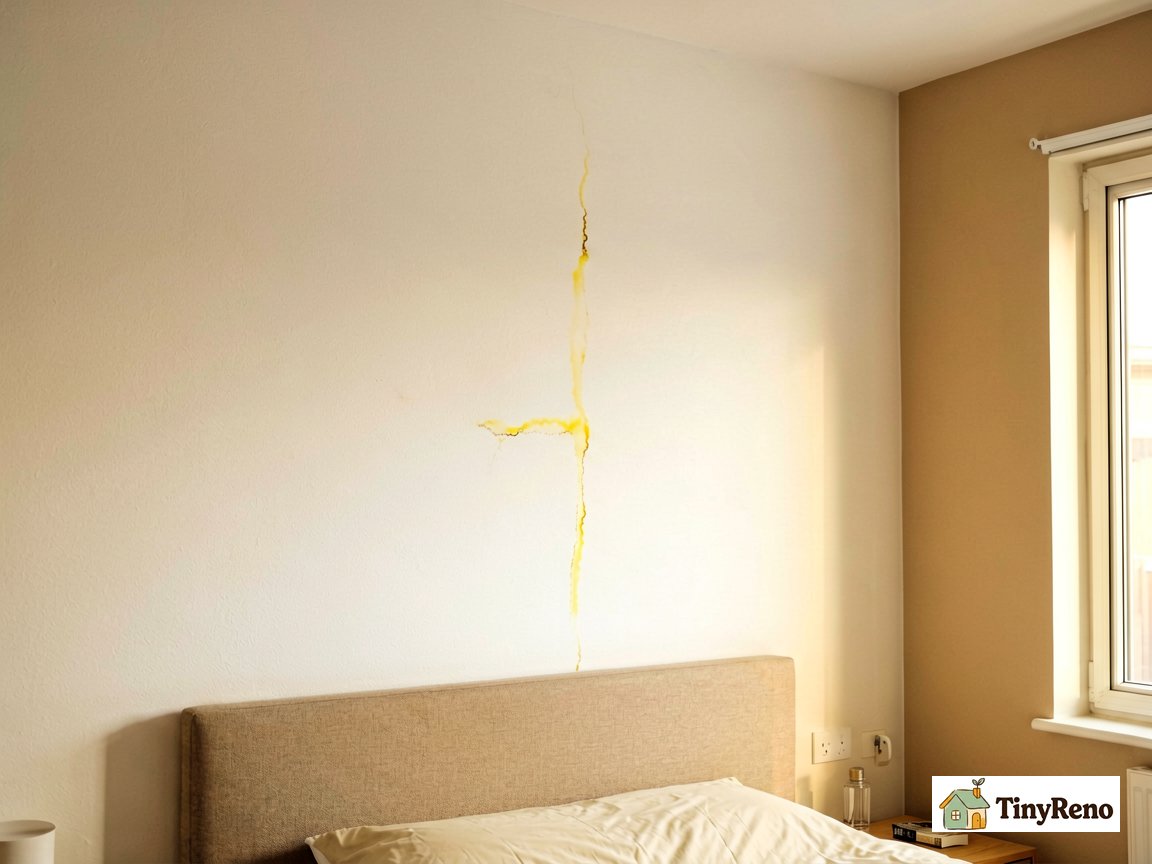
The bedroom of my first rental smelled like an ashtray for the first month. The landlord had painted over the nicotine stains, which is what landlords do. The yellow color came back within six months because paint doesn't block nicotine. It just covers it until the stain bleeds through.
I learned this the hard way. I painted over the yellow streak with regular wall paint. The yellow came back in three weeks. I painted over it again with a "stain-blocking" paint from the hardware store. The yellow came back in two months.
The fix starts with shellac-based primer — Zinsser BIN is the standard — but only after a quick scuff sand. Shellac needs something to grip. A light pass with 220-grit sandpaper, a wipe-down, and then the primer. The primer seals the stain; the sanding makes sure it doesn't peel later. The nicotine can't bleed through the shellac. The smell goes away. The yellow doesn't come back.
I used a quart of BIN on the bedroom walls of that first apartment. Cost: $14. The yellow streak is still hidden twenty years later, according to the friend who lived there after me. The smell stayed gone. The primer worked.
The lesson: stains that bleed through paint need a sealer, not more paint. Painted-over stains will always bleed through eventually.
The Second Apartment: The Water Stain That Wasn't a Stain
The second apartment had a brown stain under the kitchen window. The landlord said the upstairs neighbor had overflowed the bathtub six months before I moved in. The stain was dry. It wasn't getting worse. It just looked bad.
I tried cleaning it. Soap and water, then vinegar, then a magic eraser. Nothing. The brown stain was inside the paint, not on top of it. Water had soaked through the drywall and deposited minerals from the water and the drywall paper. The stain was the chemistry of the water damage, sealed into the paint.
The fix is also shellac-based primer, same as nicotine. The BIN primer seals the water stain in. Paint over it. The brown disappears and stays gone. I used the same quart of BIN from the first apartment — the lid had sealed well enough in storage — and the kitchen stain vanished under one coat of primer plus one coat of paint.
The catch: water stains only get sealed if the leak is fixed. If the upstairs neighbor's bathtub is still leaking, the water keeps coming, the stain keeps growing, and the primer can't keep up. I asked the upstairs neighbor. She said her landlord fixed it. I asked my landlord. He confirmed. I primed the wall. The stain stayed gone for the four years I lived there.
The lesson: water stains need both a fix for the source and a sealer for the result. The primer alone doesn't help if the water is still coming.
One caution: if the water stain feels cool or damp, don't seal it yet. Shellac over trapped moisture will bubble and peel. Let the area dry out completely — a fan helps — before priming.
The Third Apartment: The Rust Bleeding Through the Bathroom
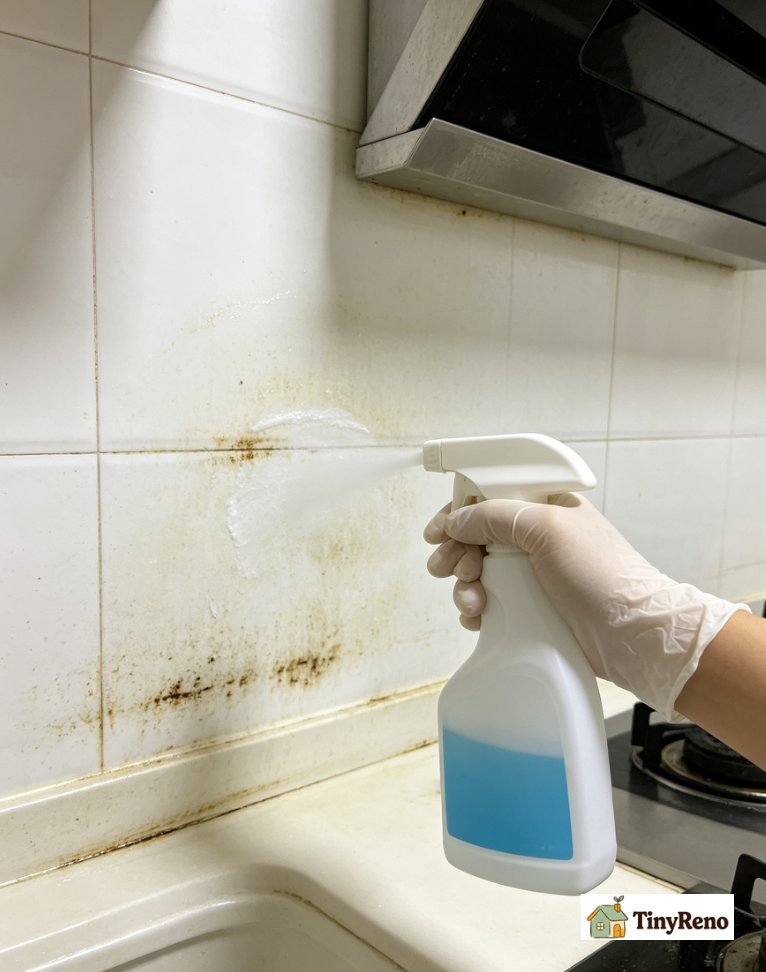
The third apartment had streaks of orange-brown running down from the ceiling in the bathroom. They appeared slowly over the first month I lived there. At first I thought they were water stains from a leak in the unit above. Then I noticed the streaks came from where the builder had nailed the drywall to the ceiling joists. The nails were rusting, and the rust was bleeding through the paint.
This is a different category of stain. Not a stain on the paint. A stain from the substrate bleeding through the paint. Nicotine and water stains come from contact with the paint surface. Rust stains come from inside the wall pushing out.
The fix for rust bleed-through is metal-encapsulating primer. The standard product is a water-based primer specifically formulated to seal rust stains. Zinsser Bulls Eye 1-2-3 is the common one. It seals in the rust so it can't bleed through the topcoat. The rust doesn't go away — the nail is still rusting inside the wall — but the visible stain does.
The bigger fix is to find the nails and replace them with galvanized or stainless steel versions. That's a contractor job, not a renter job. For the renter, the primer covers the symptom without curing the cause.
I used a quart of Bulls Eye 1-2-3 on the bathroom ceiling. Cost: $12. The rust streaks disappeared. The landlord came by for an inspection six months later and didn't mention them. The primer held.
The lesson: rust bleed-through is structural. You can hide it with primer, but the rust is still happening. If the substrate is failing, primer is a delay, not a fix.
The Fourth Apartment: The Mystery Yellow Patch
The fourth apartment had a yellow patch above the radiator in the living room. The landlord said it was "always there." The patch was about 18 inches wide and 12 inches tall, directly above the radiator, in the spot where heat rises against the wall.
This one took me the longest to identify. I tried cleaning it. Nothing. I tried painting over it with regular paint. The yellow came back in a few weeks. I tried the shellac primer. The yellow came back in a few months. I tried the Bulls Eye primer. The yellow came back in a year.
The yellow was browning, actually. The yellow-brown discoloration is called "yellowing" or "browning" in paint terminology. It happens when the paint binders break down under heat, moisture, or both. Radiators create sustained low heat that cooks the paint from behind. Over years, the paint yellows and eventually turns brown. The yellow follows the shape of the heat source.
The fix is to repaint with heat-resistant paint. Most modern interior paints are formulated to resist yellowing under normal conditions, but a radiator creates enough heat to overwhelm even good paint. Specialty radiator paint is heat-resistant and stays white. The downside is that it's not sold in every hardware store, and the color selection is limited.
I bought a quart of radiator paint from a specialty paint store. Cost: $22. Two coats. The yellow didn't come back for the two years I lived there. The new paint held up under the heat.
The lesson: heat causes paint discoloration. The fix is heat-resistant paint, not sealer.
The Sixth Kind of Discolored Wall
The four apartments covered four causes. There are two more causes I've seen in friends' apartments that I haven't dealt with myself but learned about secondhand.
Smoke from cooking, especially in small kitchens without good ventilation. The smoke deposits a thin film of grease on nearby walls that looks yellow-brown. The fix is to wash the walls with a degreaser (TSP substitute or dish soap), rinse, prime with regular primer, then paint. The primer isn't for sealing the stain — the degreaser handles that. The primer is for uniform paint adhesion over the cleaned surface.
Mold or mildew, which looks like dark green or black spots. The fix is to clean with a bleach solution, kill the underlying moisture problem, and prime with a mold-resistant primer. Mold on the wall means there's too much moisture somewhere — a leak, poor ventilation, or condensation. The visual fix without the moisture fix doesn't last.
Both of these are easier to deal with than the structural ones. The smoke film washes off. The mold cleans up. The rust and the yellow are forever.
What I'd Buy Today
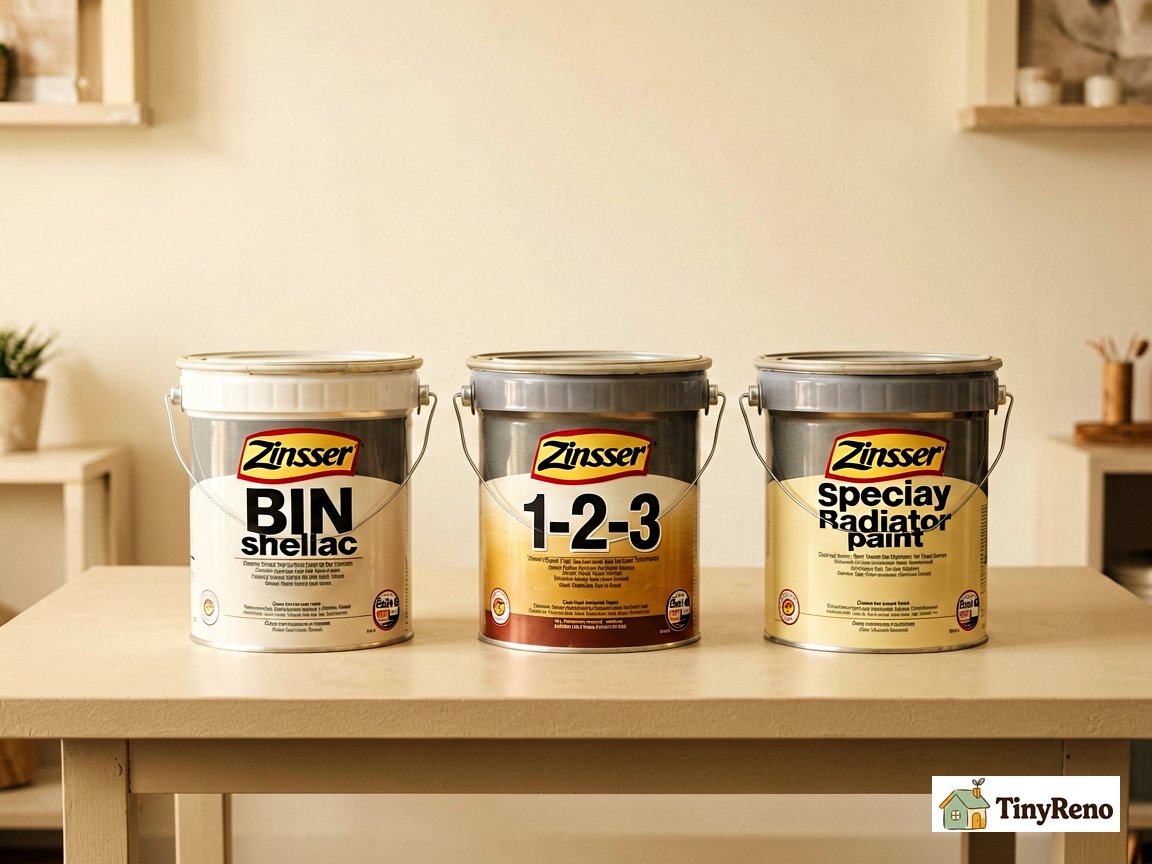
If I were moving into a new rental tomorrow and saw discolored walls, I'd buy one of three things based on the type of stain:
- Nicotine or water stain — Zinsser BIN shellac primer, $14 a quart
- Rust bleed-through — Zinsser Bulls Eye 1-2-3, $12 a quart
- Heat yellowing — specialty radiator paint, $22 a quart
I'd skip the stain-blocking latex paint from the hardware store. It's not the same as shellac primer. It works for small stains that haven't fully bled through yet. For established stains, the latex paint is a temporary cover at best.
Total investment to clean up the walls of a 600-square-foot apartment with multiple stains: under $60 in primer and paint, plus a Saturday of work. The cost of not doing it: the landlord flags the stains at move-out, the deposit gets docked, and the next tenant moves into a yellow-streaked apartment.
Why are my walls turning yellow? Three common causes: nicotine from previous smokers, water staining from past leaks, or heat yellowing above radiators and heating vents. The first two need sealing primer. The third needs heat-resistant paint.
Can you paint over yellow water stains? Yes, but you need to seal them first with shellac-based primer like Zinsser BIN. Regular wall paint over a water stain will let the stain bleed through within weeks. The shellac primer seals the stain in. Paint over the primer.
What removes nicotine stains from walls? Nicotine stains are inside the paint, not on the surface. Cleaning won't remove them. The fix is shellac primer to seal them in, then paint over the primer. Zinsser BIN is the standard product.
Why are my bathroom walls turning yellow? Either the bathroom has poor ventilation and the moisture is causing the paint to break down, or there was a previous smoker in the unit and the nicotine is bleeding through. Both look similar. The test is to wash a small area with a degreaser. If the yellow lightens, it's smoke film. If it doesn't, it's either nicotine bleed-through or moisture damage.
How do you fix rust stains on walls? Rust stains come from nails or screws in the wall that are rusting and bleeding through the paint. The fix is metal-encapsulating primer like Zinsser Bulls Eye 1-2-3. The primer seals in the rust so it doesn't bleed through the topcoat.
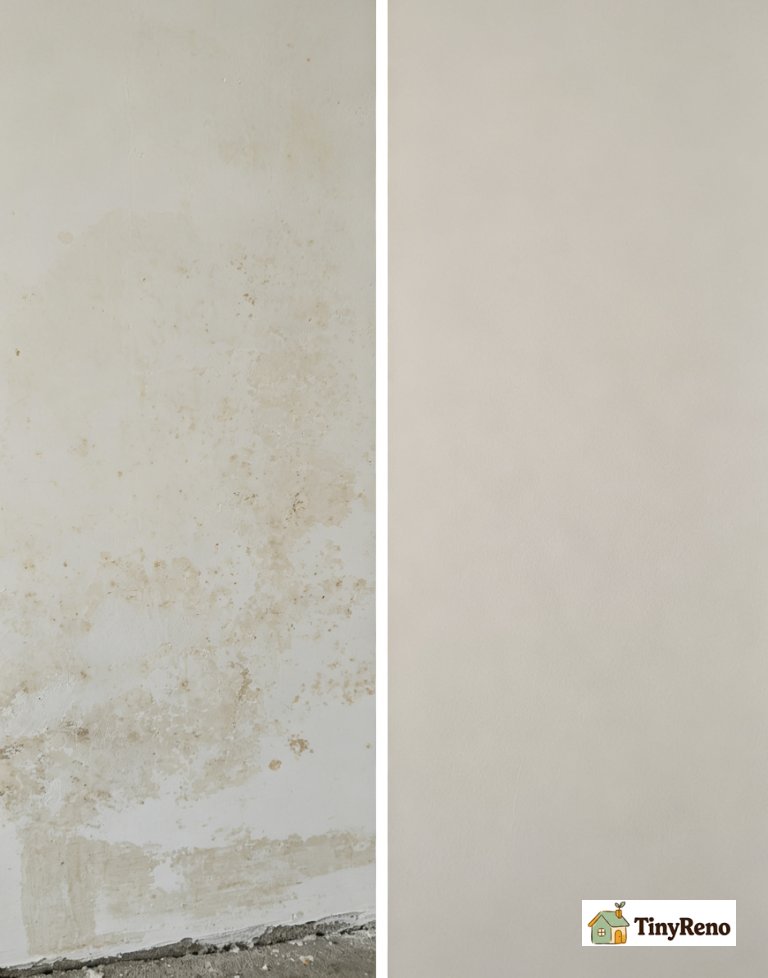
The Real Lesson Across Four Apartments
Discolored walls are a renter's recurring cost. Every place has something. The trick isn't to find a single fix — it's to identify the type of stain correctly and use the right product for that stain. Shellac primer for nicotine and water. Metal primer for rust. Heat-resistant paint for radiators.
The wrong product on the wrong stain doesn't just fail — it can make the stain worse. Painting regular paint over a water stain can seal the moisture in and cause the paint to bubble. Priming over a nicotine stain with latex primer can lock the smell in permanently.
I spent $340 over four apartments learning this. You can spend $20 on one can of BIN and skip the trial-and-error.
The deposit you keep is yours. The stains on the walls of the next place belong to the landlord. The stains you leave on the walls when you move out should be no more than what you moved in with. The primer and paint you buy to fix them is the cheapest deposit insurance available.


Discussion (0)
Sign in to join the discussion