

The first time I asked myself is black sludge in sink dangerous was a Wednesday night in Bushwick when I pulled a hairball out of the bathroom drain and held it up to the light. It was dark, almost gelatinous, and smelled like the bottom of a lake. I was twenty-three, renting a railroad apartment with a roommate who never cleaned the bathroom, and I spent the next two hours googling things like "black stuff from drain dangerous" and "sewage exposure health risk" with a paper towel in one hand and a bottle of bleach in the other. I never got a straight answer. The websites either told me it was nothing or told me to call a hazmat team. Both felt wrong.
What I have learned in the years since is that the answer depends entirely on what the sludge actually is. There are four things it can be, and only one of them is a real health concern in a way that should change how you live. The other three are fixable with a $4 part or a $2 bottle of cleaner. The trick is telling them apart before you start scrubbing, because the wrong cleaning method on the wrong kind of sludge can make a small problem a much bigger one.
What the Black Sludge Usually Is
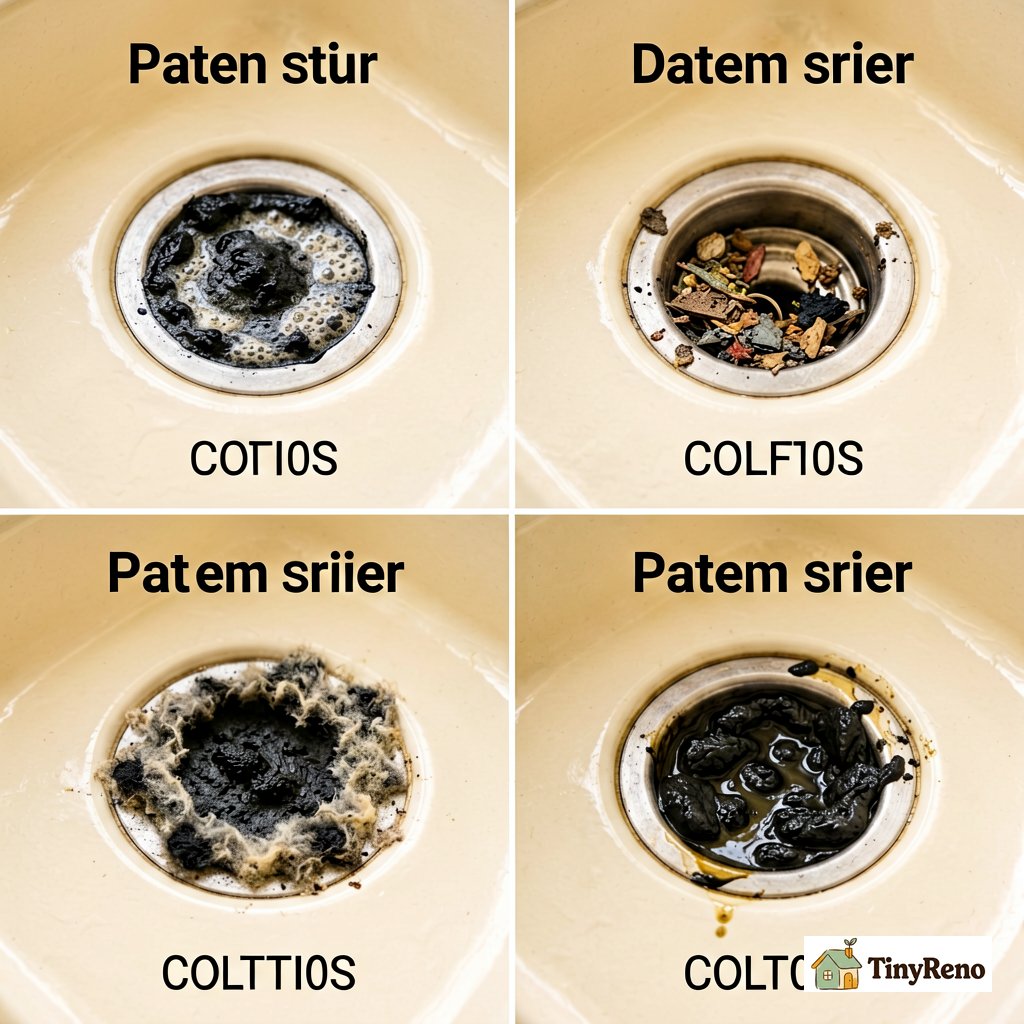
In most rental apartments the black sludge that comes out of sink and shower drains is one of four things, listed in order of how often I have seen them. The most common is a biofilm — a colony of bacteria and other microorganisms that grows on the inside of drain pipes where moisture and organic matter accumulate. It looks like black or dark brown mucus. It smells sour or earthy. It wipes off surfaces easily and is not actually harmful to most healthy adults.
The second most common is a combination of biofilm and pipe material — small bits of plastic, metal, or rubber from the drain assembly that have broken off and gotten caught in the biofilm. This is what shows up as the gritty black stuff you sometimes see at the drain opening. It is the same as biofilm but with debris mixed in. Still mostly harmless.
The third is mold. Real black mold — Stachybotrys chartarum or similar species — can grow in drains where moisture sits long enough and the drain is dark. The appearance is similar to biofilm but the smell is sharper, more chemical. If you have ever opened a drain and smelled something close to old socks mixed with mildew, that is closer to mold than biofilm. For most renters this is not the toxic black mold that requires professional remediation. It is household drain mold that grows because the drain stays wet.
The fourth kind — the only one where the sludge is genuinely hazardous — is sewage backup. This is when the drain is not draining because something further down the line has blocked or backed up, and the black sludge you see is a mix of waste water, sewage, and pipe biofilm. It is darker than the other three, has a distinctly sewage smell, and usually comes with the drain not flowing at all. This is the version that is actually a health concern, and the version that needs more than a bottle of cleaner.
How to Tell Which One You Have
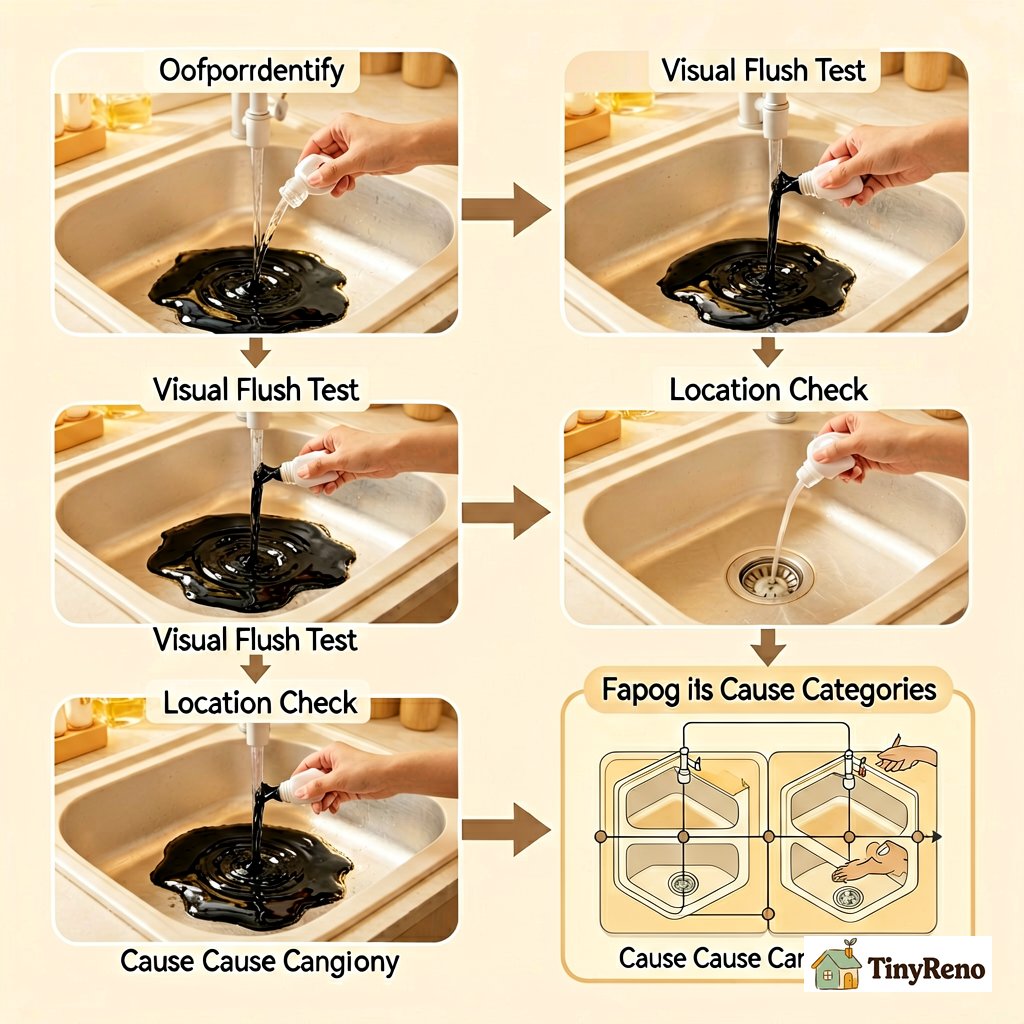
The quickest diagnostic is the hot water test — run the hot tap for thirty seconds and watch what happens. The water should be hot but not boiling. Boiling water can damage PVC pipes, and it's not necessary for this test. Smell can help too, but it's less reliable, especially if you don't have much experience with these odors. Biofilm has a sour, earthy smell — like a wet towel that has been sitting in a gym bag for a week. It is unpleasant but not sharp. Mold smells sharper and more chemical, with an edge to it. Sewage has a sharp ammonia-and-rot smell that you recognize the first time you smell it and never forget. If you cannot tell by smell, try the visual test — pour a kettle of boiling water down the drain and see what comes back up.
Biofilm will flush away with the boiling water and the drain will run clear. Mold will partially flush but some of the dark residue will stay on the sides of the drain opening. Sewage will not flush at all because the blockage is downstream — the boiling water will sit in the basin or rise back up. If the water does not go down, you have a plumbing issue, not a cleaning issue, and you should stop pouring things down the drain and call your landlord.
Another diagnostic is timing. Biofilm and mold build up gradually over weeks or months. You might notice the drain running a little slow, or a faint smell when you run hot water, before you see actual sludge. Sewage backup usually happens suddenly — the drain goes from working fine to not working at all in a day or two, sometimes in an hour. If the timeline was sudden, suspect a blockage or a stack issue further down the building plumbing, not a drain cleaning problem.
The third diagnostic is location. Sludge at the drain opening or just inside the drain throat is biofilm or pipe debris — local problem, you can clean it. Sludge that appears to come up from deeper in the pipe when you run water is biofilm further down the line — same problem but harder to clean without taking the drain apart. Sludge that appears in multiple drains at the same time is a stack or main line issue — definitely a landlord problem, not a cleaning problem.
When It Is Actually Dangerous
The honest answer to is black sludge in sink dangerous in a way that should change your behavior is: yes, in three specific situations. The first is sewage backup where you can see or smell actual waste material in the sludge. This carries real bacterial risk — E. coli, salmonella, and other pathogens that can cause gastrointestinal illness. If your drain is backing up with sewage, do not try to clean it yourself. Call your landlord immediately and ask for a plumber. Until the plumber comes, keep the area off-limits to anyone who might touch it and especially to anyone with a compromised immune system.
The second is confirmed toxic black mold. If you have had the drain tested and a professional has identified Stachybotrys chartarum, that is a different situation than ordinary drain mold. Real toxic black mold is rare in sink drains — it prefers building materials like drywall and wood — but it can happen. The signs are an extensive dark stain that keeps coming back after cleaning, a strong musty smell that does not go away, and physical symptoms like coughing or sneezing when you are in the bathroom. If all three are present, ask your landlord for a professional mold assessment.
The third is if you are immunocompromised. For most healthy adults, ordinary drain biofilm is unpleasant but not dangerous. For someone with a compromised immune system — chemotherapy patients, transplant recipients, people with HIV, the very elderly — the bacterial load in even a normal drain can be enough to cause infection. If someone in your household falls into this category, the question of is black sludge in sink dangerous has a more serious answer, and the safe move is to keep the bathroom very clean and to ask the landlord about any drain issues quickly.
How to Clean the Safe Versions
For biofilm and ordinary drain mold, the cleaning method is the same. Pour half a cup of baking soda down the drain, then slowly pour half a cup of white vinegar after it. The fizzing is mostly carbon dioxide — it doesn't kill the bacteria in the biofilm, but the bubbling helps loosen the slime so the hot water flush can carry it away. For a heavier buildup, an enzyme-based drain cleaner works better, but for regular maintenance this is a cheap and gentle option. Let it sit for fifteen minutes, then flush with hot tap water — not boiling. If your building has PVC drain pipes (most modern apartments do), boiling water can soften the plastic and damage the joints over time. Hot tap water is hot enough to carry away the loosened biofilm without risking the pipes. Repeat once a week for a month, then once a month for maintenance. This is the cheapest, safest, and most effective method for what 90 percent of renters will see.
For the gritty version with pipe debris mixed in, you may need to physically remove the debris after the baking soda flush. Unscrew the drain stopper or strainer (most pop out with a flathead screwdriver turn), wipe out what you can reach with a paper towel, then reassemble and do the baking soda flush again. Do this once and most of the gritty material will be gone.
For mold on the visible parts of the drain opening and the surrounding sink, a dilute bleach solution works. Mix one tablespoon of bleach in one cup of water, apply with a soft cloth, let sit for five minutes, then wipe clean. Do not pour bleach down the drain. It can react with organic matter in the biofilm to produce unpleasant byproducts, and it's not any more effective than the baking soda and vinegar method for cleaning the inside of the pipe. Worse, bleach can damage rubber gaskets and metal fittings if used regularly.
The thing to avoid is mixing cleaners. Bleach and ammonia produce toxic chloramine gas. Bleach and vinegar produce chlorine gas. Drain cleaners often contain either acid or base and should not be mixed with anything. If you use a commercial drain cleaner, follow the package directions and do not combine it with any other product. The bottle will say this and you should listen to it.
When to Call the Landlord
For biofilm and ordinary mold, no need to call anyone. You can handle this yourself with supplies you already have. For sewage backup, slow drains across multiple fixtures, or persistent mold that comes back within days of cleaning, you need a plumber or a maintenance person, and that is the landlord's responsibility in almost every rental situation.
In most cities habitability law covers drain blockages and mold remediation above a certain threshold. The threshold varies by jurisdiction, but the practical rule is that if the drain is not draining at all, or if there is visible mold that returns after cleaning, the landlord is on the hook for the fix. Document everything in writing with photos and timestamps. If the landlord does not respond within a reasonable time, your local tenant union or legal aid can tell you what your next step is.
The black sludge question has been on my mind since that night in Bushwick, and I've dealt with it in every apartment I've rented since — my own drains, plus a few friends' bathrooms when the same smell showed up. The pattern has been consistent: biofilm and drain mold are normal household maintenance, sewage backup is a plumbing problem., sewage backup is a plumbing problem. Telling them apart is mostly about the water test and timing. Smell can help, but it's not as reliable — trust what the water does, not what your nose says. If the drain is flowing and the smell is sour or earthy, you can clean it yourself. If the drain is not flowing or the smell is sewage, you need help.


Discussion (0)
Sign in to join the discussion