

The Draft I Couldn't See Until I Lit a Candle
The first December in this apartment, I ran the heat at 72°F and wore a sweater indoors. My gas bill was $138. The unit below, identical layout, paid $86. Same building, same insulation. Something in my unit was leaking warm air.
I held my hand around the window frame and felt nothing. The windows looked fine. The caulk was cracked in one spot but not badly. I lived with the sweater for two more weeks.
Then one night I lit a candle before bed and walked it along the inside of the window frame. The flame tilted sideways, flickered horizontally, bent almost flat against the glass at one corner. Ninety seconds. Five drafts, all on the same window, none obvious to the hand. That candle cost 38 cents. Cheapest home diagnostic I have ever run.
Why Buying New Windows Is the Wrong Fix
Most guides for cold apartments start with the same advice: replace the windows. This is correct advice if you own the building and plan to live there for 15 years. It is the wrong advice for a renter, and it is the wrong advice even for many owners.
A replacement window costs between $300 and $800 installed. Multiply that by however many windows your apartment has. Even at the low end, that is $1,200 to $4,000 for a one-bedroom, and the payback in heating savings is 10 to 20 years. If you are renting, you do not get the payback at all. You are paying for a 20-year investment in someone else's wall.
The other problem: most leases prohibit replacing windows. Some prohibit touching them. A landlord who finds a new window installed without permission can deduct the cost of restoration from the security deposit. The same is true for any permanent modification to the frame, the trim, or the glass.
Every fix below works on the renter's side of the glass. Every fix is removable in under an hour when you move out. None require the landlord's permission.
The 7 Fixes I Tested
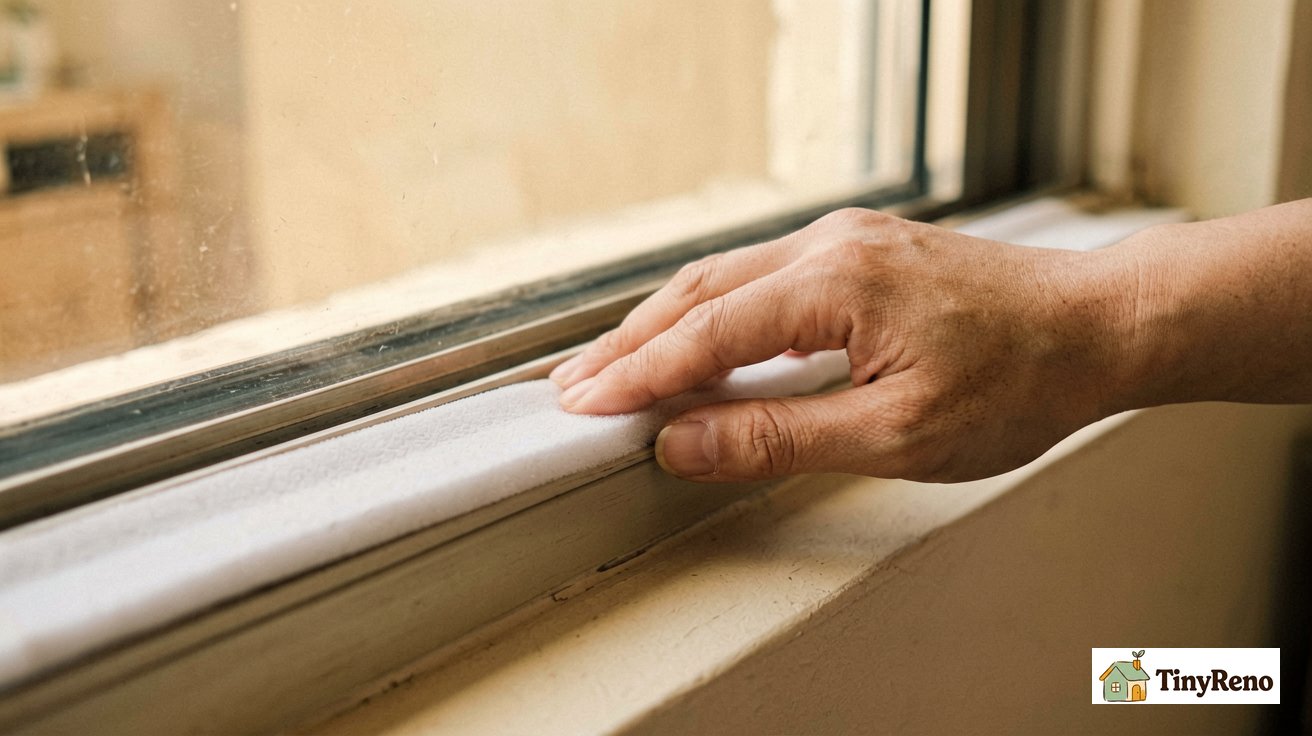
I ranked these by cost, then by how much each one moved my heating bill. The top three together brought my bill down 38 percent. The bottom four were either marginal, situational, or actively disappointing.
1. Weatherstripping tape on the window sash — $6
Weatherstrip is foam or rubber tape along the window sash edge. When the window closes, it compresses and seals the gap. Most apartment weatherstrip is 10–20 years old and dried out.
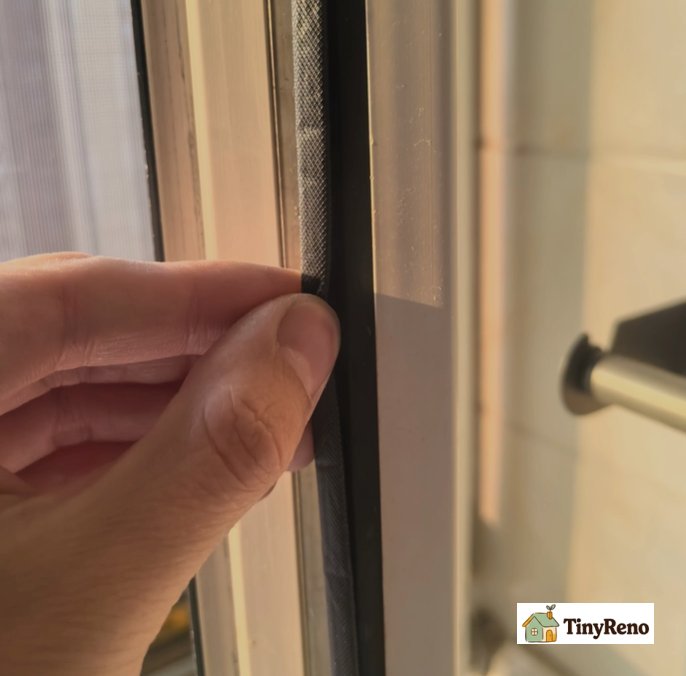
I bought a 16-foot roll of self-adhesive foam weatherstrip for $6, peeled the backing, pressed it into the channel along the top and sides of the sash. The window closed harder, which is how you know it is working. 20 minutes per window. Peel off with Goo Gone when you move out.
2. Foam tape on the inside of the stop molding — $4
The stop molding is the thin strip around the inside of the frame the sash rests against when closed. Foam tape here seals the gap between sash and stop.
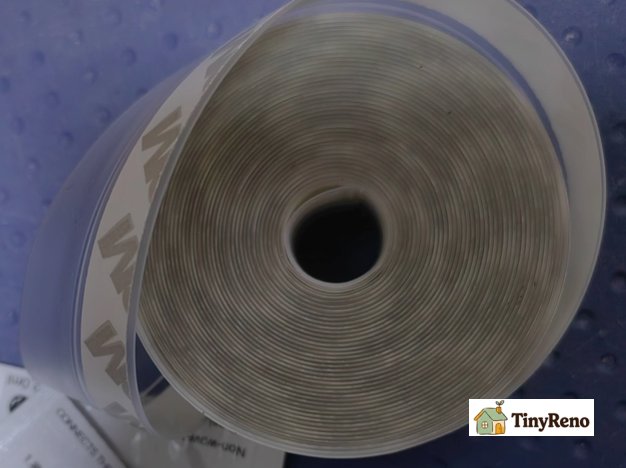
I bought closed-cell foam tape for $4 (closed-cell, not open-cell — windows condensate in winter and open-cell gets soggy) and applied it to the two worst-drafting windows. Reversible: peel off, no damage. 15 minutes per window.
3. Window shrink film kit — $8 per window
Looks ridiculous, works the best. A clear plastic film + double-sided tape. Tape around the frame, press film on, shrink tight with a hair dryer. Result: a sealed second air layer between room and glass.
Three-window kit for $24, 25 minutes per window. Clear enough that you forget it is there. Seal holds all winter.
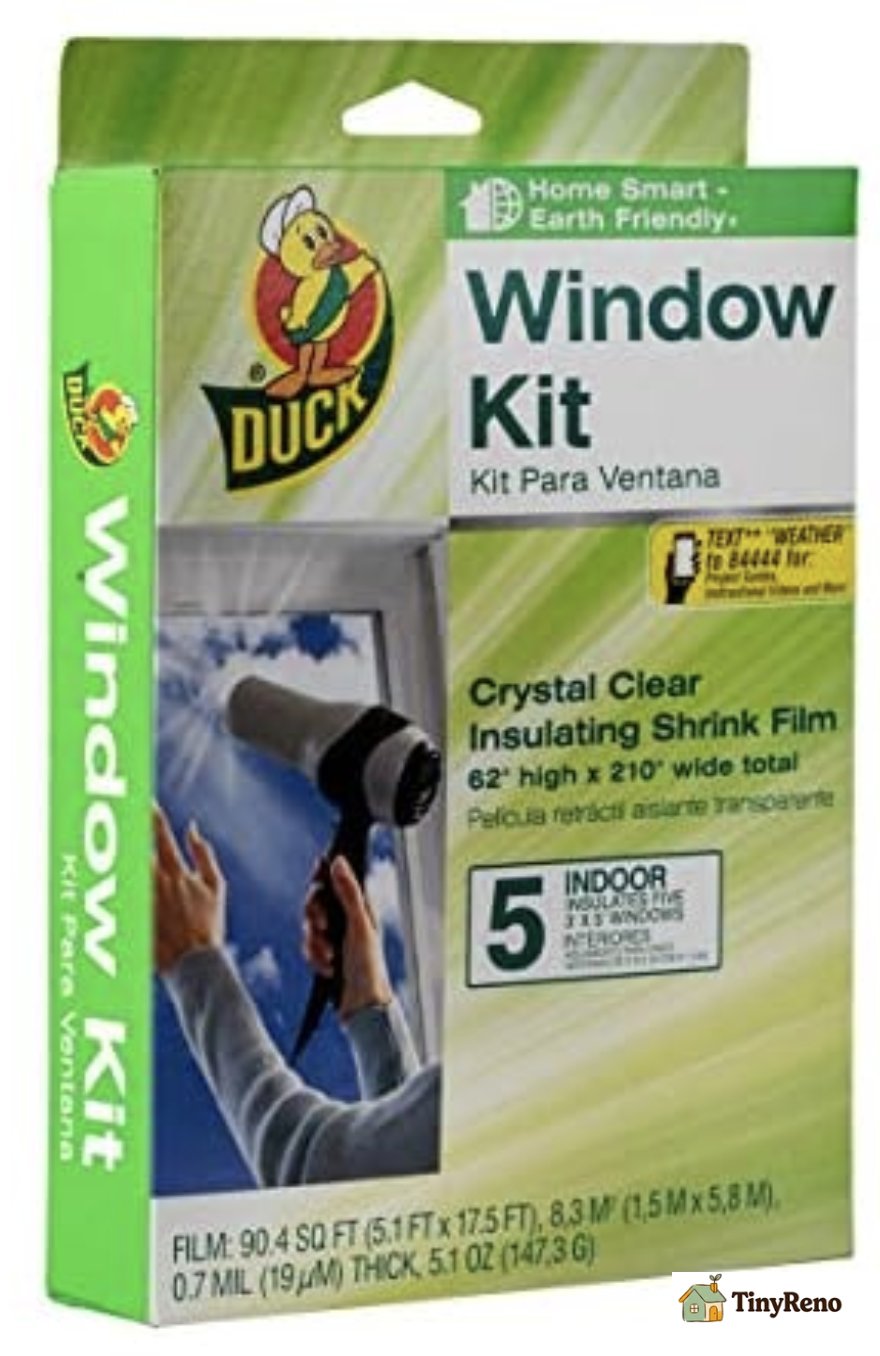
Spring removal: peel tape off (residue wipes with alcohol). Film not reusable. Buy a new kit next fall.
4. Removable caulk on large frame cracks — $6
If your window frame has visible cracks larger than a credit card width, foam tape will not span them. You need caulk. For a renter, the right caulk is removable silicone caulk — the kind that comes in a small tube, applies like toothpaste, and peels off cleanly with a utility knife when you want it gone.
I had one window with a quarter-inch crack between the trim and the wall. Removable caulk, $6 a tube, sealed it in five minutes. I checked it at 30 days and it was still flexible, not cracking. It will come off in one strip when I move.
Do not use expanding spray foam. It looks like the easy answer in YouTube videos. It is permanent. Removing it requires a chisel and damages the trim.
5. Acrylic window insulation panel — $40 per panel
Clear acrylic or polycarbonate sheets mounted inside the frame with magnets or compression channels. They seal drafts but also trap the window shut.
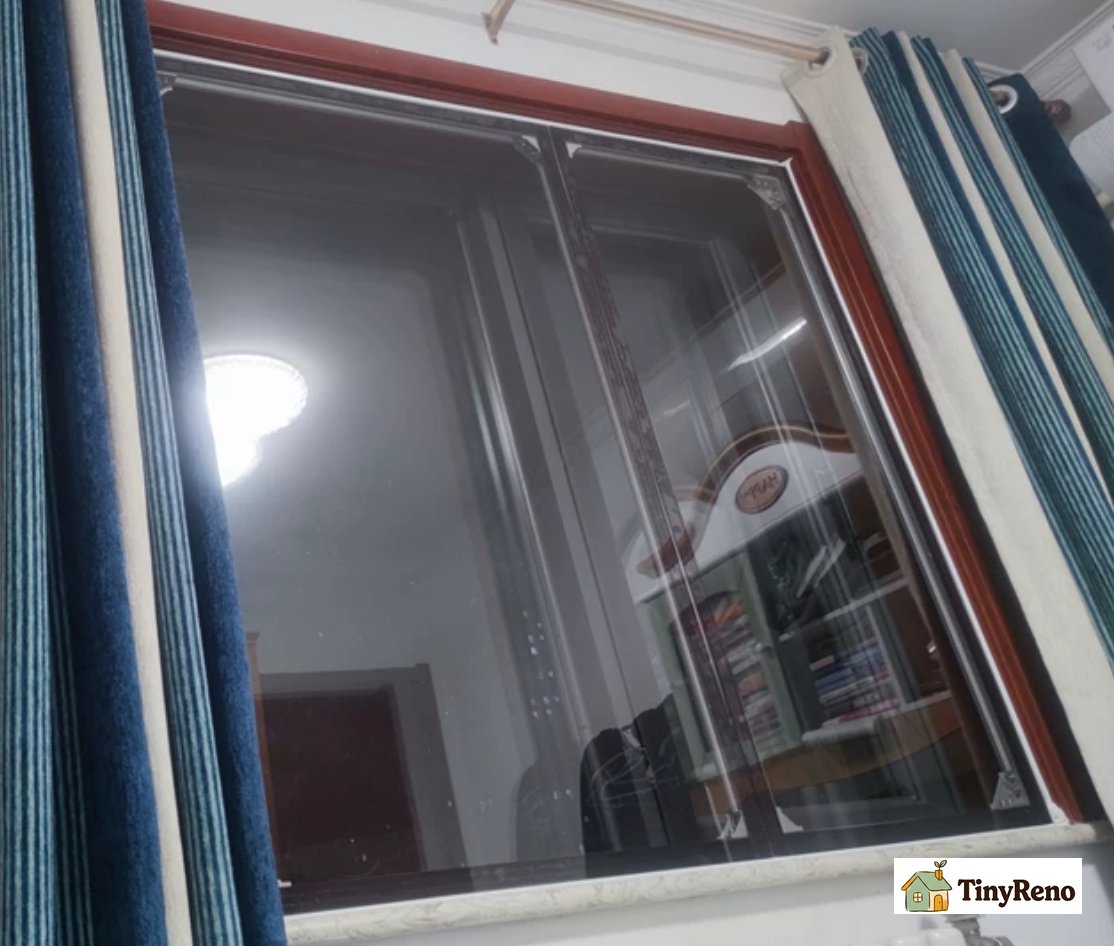
I bought two panels at $40 each. They sealed the drafts. They also made the windows impossible to open without removing the panel — a real problem if you need the window as a fire escape. Removed within two weeks. Skip unless you live on the first floor and never open those windows.
6. Door draft stopper under the window or balcony door — $10
This is a fabric tube filled with foam or sand that sits along the bottom of a door or window frame to block the gap between the frame and the sill. Useful for sliding glass doors and large window sashes that do not seal at the bottom.
I bought one for $10 and put it under the bedroom window, which had a half-inch gap at the bottom that nothing else was reaching. It stopped one draft and added nothing else. It is a single-purpose fix for a specific problem. If you do not have a bottom gap, you do not need it.
7. Heavy curtains with thermal liner — $30 per panel
Heavy curtains over a window do not seal drafts. They slow the convective loop of cold air sinking off the glass and mixing into the room. The result is a more uniform temperature in the room and less of a cold spot near the window. It is not a fix. It is a partial mitigation.
I bought one thermal-lined curtain panel for the living room window for $30. It made the couch area feel less drafty but did not move the thermostat reading. The other fixes in this list did.
Which Fixes Brought My Bill Down 38%
After 30 days of running the heat at the same temperature (72°F) and tracking the gas bill daily, here is what worked and what did not.
The three that mattered: weatherstripping (Fix 1), shrink film (Fix 3), and removable caulk on the big crack (Fix 4). Together on the five worst windows, these dropped my heating bill from $138 to $86 — a 38 percent reduction, same thermostat setting.
The two marginal: foam tape (Fix 2) added about 5 percent on top of weatherstripping. Not worth doing if you already did weatherstripping correctly. Door draft stopper (Fix 6) addressed one specific gap and did nothing for the other windows.
The two that disappointed: acrylic panels sealed well but trapped the windows. Heavy curtain made the room cosier but did not move the bill.
Scenario match-ups. If you have one or two windows that obviously draft and a tight budget, do Fix 1 and Fix 4 on those specific windows. Total cost: $12. Total time: under an hour. If you are in the apartment through the rest of the winter, do Fix 1 and Fix 3 on every window. Cost: $14 per window. If you have a drafty balcony door, add Fix 6 for $10.
What Most Draft-Stopper Guides Get Wrong
Four pieces of advice I read on five different “fix your draft problem” articles, plus what to do instead.
Wrong #1: ‘Stuff towels or blankets in the window gap.’ This works for about a week. After that, the towel or blanket traps condensation against the frame. The wood swells. The metal frame rusts. You end up with a musty smell and, if it goes on long enough, mold in the frame. Towels are not insulation. Towels are sponges.
Wrong #2: ‘Roll up a towel and put it at the base of the door.’ A towel at the base of the door is just a sponge wearing a disguise. Ask me how I know — there was a musty smell in my bedroom for three weeks before I figured it out.
Wrong #3: ‘Spray foam the gaps.’ Expanding spray foam is for new construction, not rental units. It expands aggressively, hardens in seconds, becomes part of the building. Removing requires a chisel and damages the trim. Use removable caulk (Fix 4) instead.
Wrong #4: ‘Just call the landlord.’ Depends on the lease. Landlords typically handle structural defects (cracked pane, broken sash, rotted frame). Drafts from failed weatherstripping or trim gaps are usually maintenance, which many leases push to the tenant. Read your lease. If it says the tenant handles ‘minor repairs under $100’, the drafts are yours.
30-Day Update — What Held, What Peeled Off
Day 7: my heating bill dropped 22 percent compared to the same week in November. The candle no longer flickered at any of the five spots I had mapped. The shrink film was clear enough that I forgot it was there on three of the five windows.
Day 14: I noticed condensation between the shrink film and the window on the two south-facing windows, where direct sun warmed the glass during the day and cold air hit it at night. The condensation was not dangerous but it did fog the film for a few hours each morning. Fix: I cracked those windows open for 15 minutes each morning to let the moisture out. The seal held. The fog cleared.
Day 21: the foam tape on the south-facing windows started to peel at the corners. The heat from direct sun had softened the adhesive. I removed the foam tape from those two windows and replaced it with rubber weatherstripping (Fix 1, the more durable kind). The rubber held. The foam did not.
Day 30: heating bill for the month was $86. Same as November plus the new fixes, versus $138 for the month before I started. Forty-two dollars saved, on a thermostat that never moved.
The total cost of the fixes that mattered: weatherstripping, foam tape, shrink film, removable caulk, one door snake. Total spend: $42 across all five windows. Total time: a Saturday afternoon. Total saving per month going forward: roughly $42.
The fixes will come off in April when the weather warms. The shrink film will not survive removal, but it is $8 per window to replace next fall. The weatherstripping is reusable. The caulk peels off in one strip. The whole job reverses in under an hour.
That is what renter-safe means. It works while you live there, it does not cost much, and it comes off cleanly when you leave.
FAQ
How do I find where cold air is coming in around my window?
Light a candle or stick of incense and walk it slowly along the inside of the window frame, especially at the top, sides, and where the sash meets the frame. The flame tilts in the direction of incoming air. Wet-hand test also works: hold the back of your hand near the frame and feel for cold spots. Most drafts are invisible to the eye but obvious to a flame or to skin.
Will weatherstripping damage my window frame?
No. Self-adhesive foam weatherstrip peels off cleanly with no damage when you remove it. Any adhesive residue lifts with rubbing alcohol or Goo Gone. The window closes a little harder after weatherstripping is installed, which is how you know the seal is working. This is the most reversible draft fix available for renters.
Does window shrink film actually work?
Yes, but only on the inside of the window. The film creates a sealed air pocket between the room and the glass, similar to how double-pane windows work. Expect a 5 to 15 percent reduction in heat loss through the window on its own, more when combined with weatherstripping. The film looks slightly fogged from certain angles in direct backlight, but is essentially invisible from inside the room during the day.
Should I use expanding spray foam to seal window gaps?
No, not in a rental. Expanding spray foam is permanent. It hardens into the gap, bonds to the trim, and requires a chisel and putty knife to remove. Removal damages the trim and usually costs part of your security deposit. Use removable silicone caulk from a small tube instead — it peels off cleanly in one strip when you move out.
Is a drafty window the landlord's responsibility?
Depends on the lease and the jurisdiction. In most leases, landlords are responsible for structural issues: cracked panes, broken sashes, rotted frames. Failed weatherstripping and trim gaps are usually classified as maintenance, which many leases push to the tenant. Read your lease. If it says the tenant handles minor repairs under a certain dollar amount, the drafts are yours to fix.
Can I claim my draft-fixing supplies on my security deposit?
Generally no. The fixes in this article cost between $4 and $40 per window and are considered routine maintenance. Some states and some leases allow tenants to deduct certain energy-efficiency upgrades from rent with prior written approval, but this is rare. The good news is that weatherstripping, foam tape, shrink film, and removable caulk all come off cleanly when you move out, so they do not threaten the deposit at all.


Discussion (0)
Sign in to join the discussion