

The Ants That Walked In Like They Owned the Place
I noticed them the first week. Six o’clock in the morning, I was filling the kettle, and there was a line of small black ants walking across the kitchen counter like they had a meeting to get to. Five of them. Single file. I wiped them up with a paper towel, threw it in the trash, and went back to my coffee.
Day two: twelve ants. Different spot. Day three: the line was on the bathroom sink, four feet from the kitchen. Day five: I opened the cabinet under the kitchen sink and there were so many of them I closed the cabinet and went to work without making coffee. The building was clean. I was clean. I did not understand what these ants wanted.
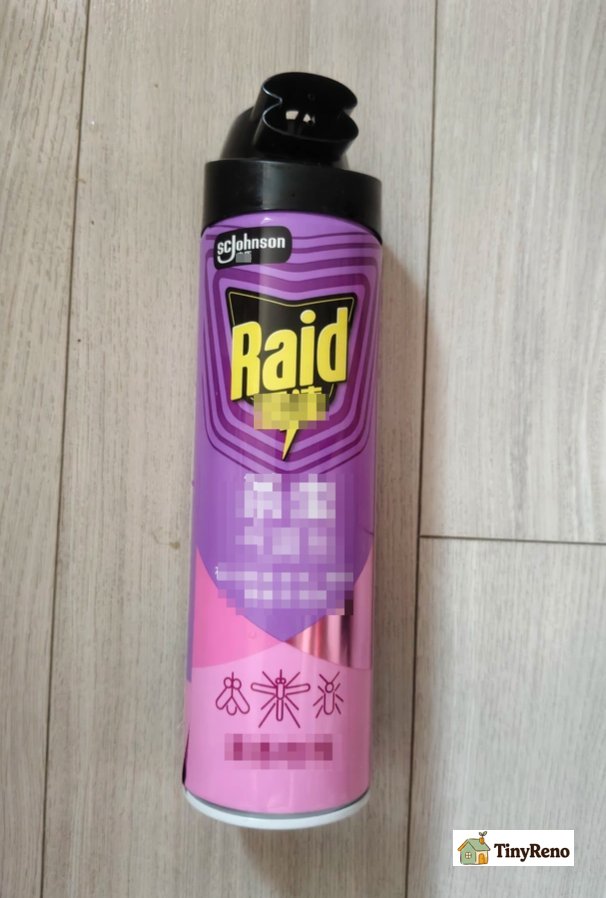
I bought a can of Raid at the corner store that evening. I sprayed the line. Ants scattered. I felt victorious for about 20 minutes. By the next morning, there were two lines.
What I learned in the next three weeks is that the ants you see are maybe 5% of the problem. The rest of the colony lives in the wall behind the drywall, in the gap under the baseboard, in the soil under the slab. And the spray you bought does not go there.
What ‘Killing the Ants You See’ Actually Does
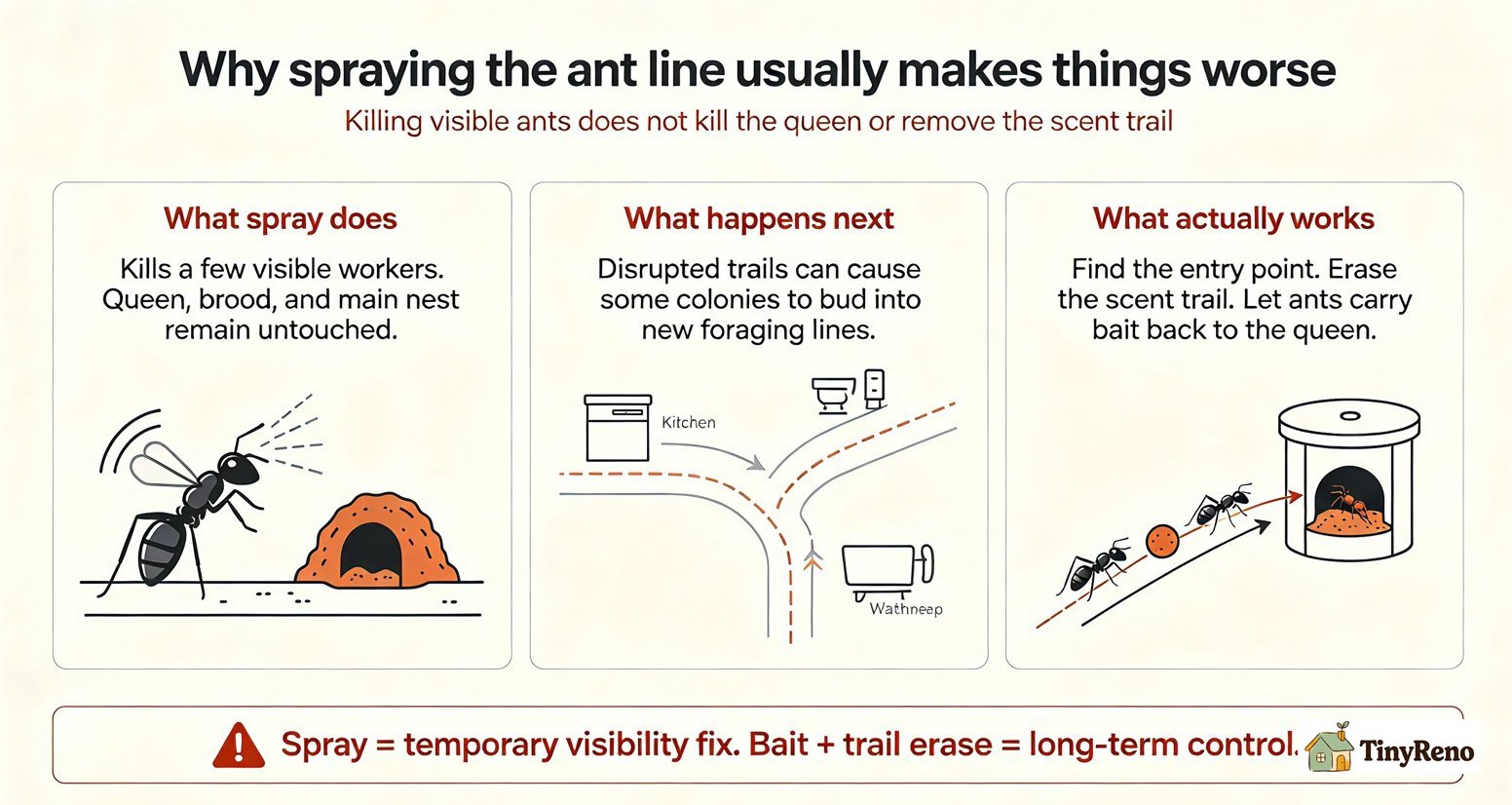
Most guides will tell you to spray the line. This is the worst advice. Here is what spray actually does.
Surface spray kills the ants you see plus a few stragglers. The queen is unhurt. The brood is unhurt. The main nest, usually inside a wall or under the floor, is also unhurt. You have reduced the population visible to you. It feels like progress. It is not.
The worse part: most species “bud” when their trail is disrupted. The line you sprayed becomes two lines going two directions because the workers are foraging in new territory. One ant problem becomes two. The bathroom line appeared on day three, exactly two days after I sprayed the kitchen.
The real goal is not to kill ants. The real goal is to (1) find where they are entering from, (2) erase the scent trail they follow, and (3) get the ants themselves to carry poison back to the queen. None of those things happen with spray. All of those things happen with bait.
The 6 Fixes I Tested
Ranked by fastest visible result first, then by what actually closed the colony. Order of what to do first, second, third.
1. Find the entry point — free
The first thing is to watch where the ants disappear. At night, follow a line with a flashlight. They almost always vanish into a gap, and the gap is almost always one of four places: the gap around a window frame, the gap under a door, the hole where a pipe comes through the wall, or the seam between the baseboard and the floor. In my apartment it was the pipe under the kitchen sink, where the dishwasher drain line goes through the wall. There was a gap the thickness of a pencil that I had not noticed in two years.
This fix is free because it does not require anything except observation. But it is the fix that determines whether everything else works. If you do not know where they are entering, you are baiting them in the wrong room.
2. Caulk the gap (no permanent damage) — $6
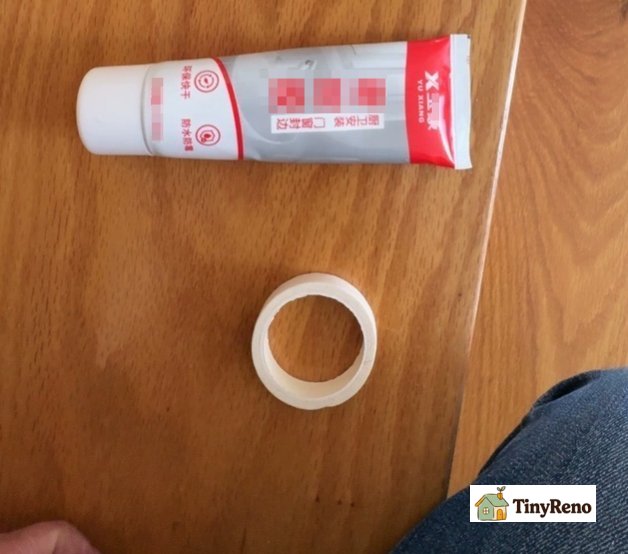
Once you know the entry point, seal it. I used a small tube of paintable silicone caulk from the hardware store. The landlord-grade version is removable: when you move out, you slice it off with a utility knife, the gap is still there, no patch needed. If you cannot get silicone, painter’s tape (the blue kind) over the gap is a 2-week temporary fix that costs a dollar.
I put caulk around the pipe under the kitchen sink and a strip of blue tape on the bathroom baseboard seam. Within hours the line into the kitchen stopped. Bathroom line did not stop — the ants had a second entry. That is the moment I realized I had to do the rest of this list.
3. Wipe the trail with 1:1 white vinegar and water — $2
Ants follow a chemical trail that other ants have laid. The trail is invisible to you and visible to them. A 50/50 mix of white vinegar and water, wiped along wherever you saw the line, erases that scent. The ants that come back will not find the path. They wander, they get confused, they are easier to bait because they are not on autopilot.
Do this once, with a wet rag, let it dry, and then set your bait. I did it before the borax bait went down and the line broke up within an hour. Skip this step if you have already set out bait — the vinegar can soak into the bait and ruin it.
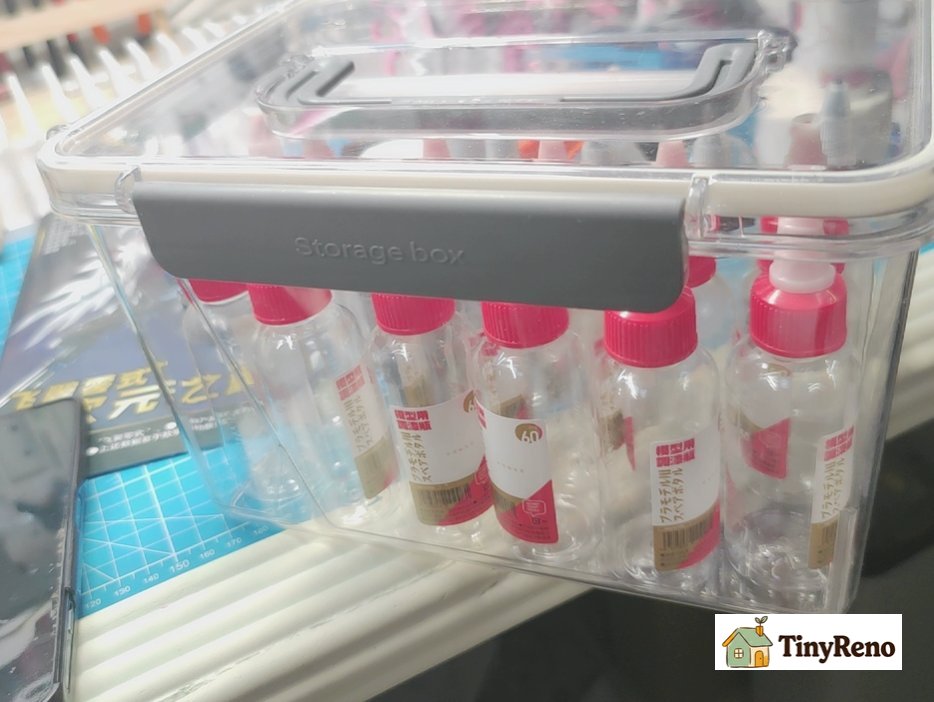
4. Move all food into sealed containers and swap the trash can lid — $15
Ants are not camping in your kitchen for fun. They are after sugar, grease, or moisture. The thing that broke the back of my problem was throwing out the open-box of cereal, transferring the pasta into a snap-lock container, and putting a lid on the under-sink trash can. I had been leaving a small dish of dog treats out for the dog. That dish was an ant cafeteria.
This fix feels obvious when you write it down. It is not obvious when you are living through it. The number of calories you are unintentionally offering a colony of 5,000 ants is higher than you think.
5. Borax + sugar bait, DIY, in a saucer — $3
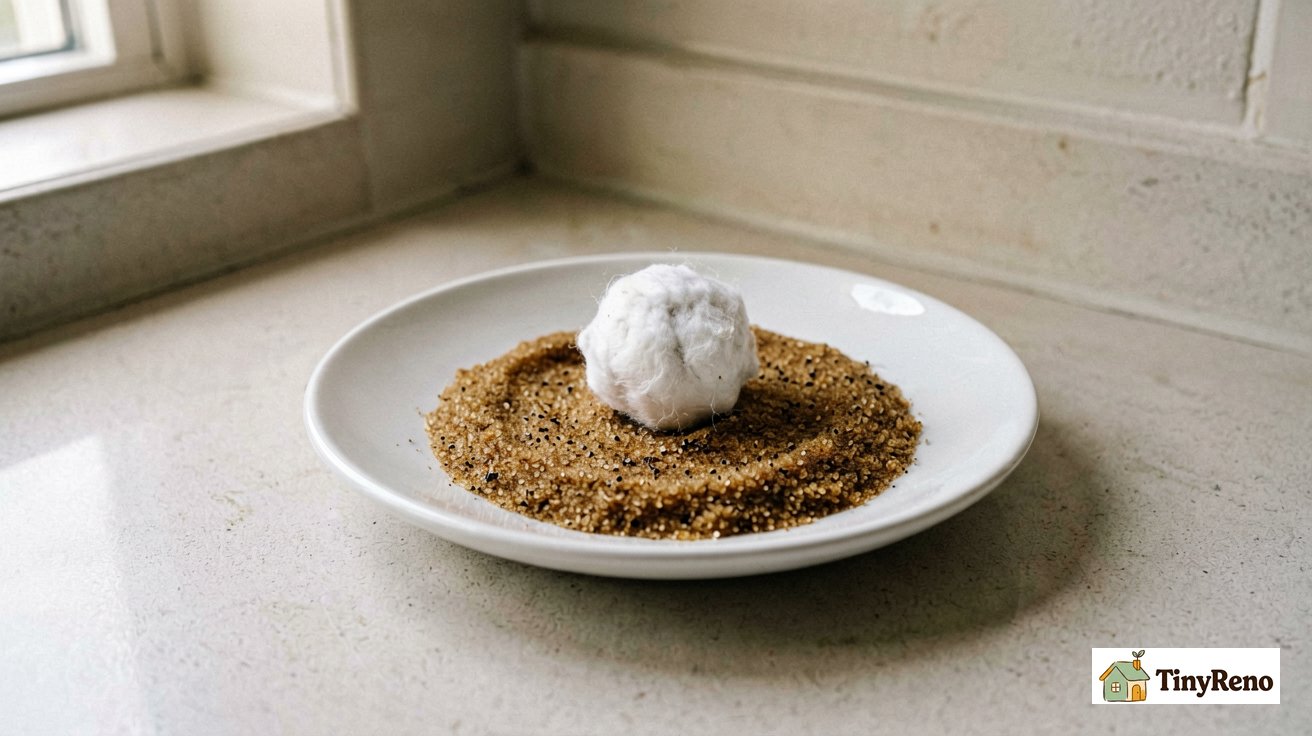
This is the fix that killed the colony. Mix one part borax (laundry aisle, $3 a box) with three parts white sugar. Add just enough water to make a wet slurry. Put a teaspoon on a saucer with a soaked cotton ball at the center. Place it on the trail.
Worker ants eat the sugar, cannot digest the borax, and carry it back to feed the queen and brood. The queen dies. The colony collapses. Takes 5 to 14 days, not 48 hours, but it is the only fix that addresses the source.
Keep bait away from kids and pets. Put the saucer behind the toaster or inside a cabinet with a small opening.
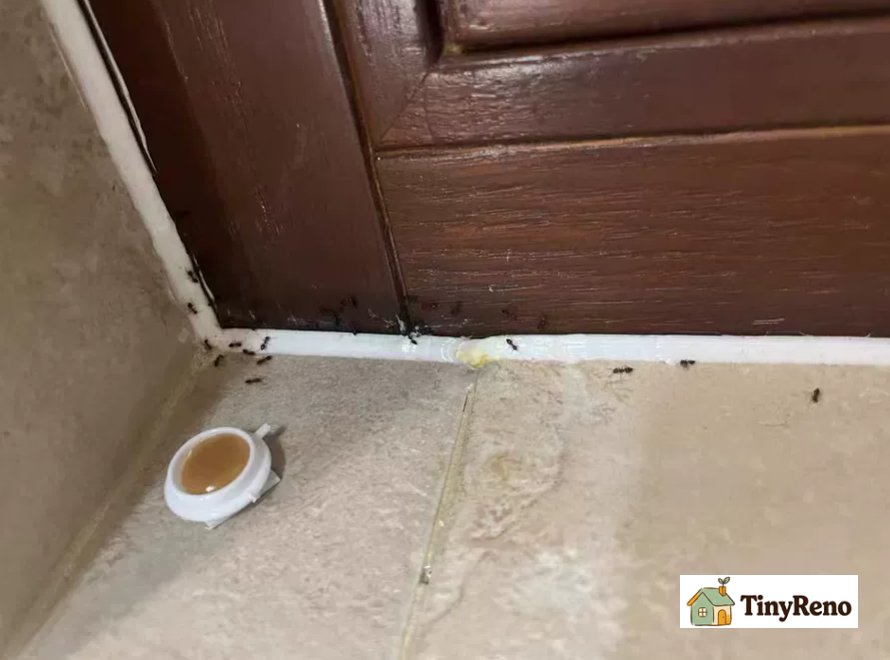
6. Commercial ant bait stations (Terro or similar) — $6
If the DIY mix feels too risky, the commercial version is the same idea in a sealed plastic station. You snap it open, place it on the trail, and the ants go in through a small slot. The bait inside is sugar + a slow-acting poison. Same mechanism, no mixing. I bought two stations for $6 and put one in the kitchen and one in the bathroom. They worked.
The commercial version is more forgiving than the DIY. The DIY borax bait is more cost-effective if you have a long-running problem. For a one-time trail that suddenly appeared, two stations will close it in a week.
Which Fixes Worked, Which Made It Worse
After 30 days, here is the honest scorecard.
Worked in 48 hours: Fix 1, Fix 3, Fix 5 combined. Took the line from 30+ ants to zero in two days. Kitchen first, bathroom a week (I had not found the second entry yet).
Did not work alone: Fix 2, Fix 4, Fix 6 each address one piece. Without bait, you wait for the colony to die. Without caulk, new ants walk back in. Without food storage, you are baiting them into a kitchen with better food than your saucer.
Made it worse: The Raid. The morning after I sprayed, the line split into two rooms. Both took three weeks to close. I have not sprayed Raid indoors since.
Scenario match-ups. If you see a single line and the ants are clearly going to one place: do Fix 1, Fix 3, Fix 5. Skip the rest. If you see multiple lines and you cannot find an entry: do Fix 4 (clean up food sources) plus Fix 5 or Fix 6. If the ants are large (half-inch or longer) and black, and you can hear faint rustling in the wall: skip DIY entirely and contact your landlord. That is carpenter ant territory and a structural issue, not a kitchen problem.
What Most Ant-Killing Guides Get Wrong
Three pieces of bad advice I read on five different “fix your ant problem” articles, plus what to do instead.
Wrong #1: ‘Spray the trail directly.’ Already covered but worth repeating. Spray kills 5% of visible ants, splits the colony, resets your clock. Do not spray indoors.
Wrong #2: ‘Sprinkle cinnamon or peppermint oil along the windowsill.’ This works for 24 hours. The ants walk around the cinnamon. They find a new path. They come back. Cinnamon is a delay, not a fix. The only smell-based approach that works is erasing the existing trail with vinegar (Fix 3). Repellent smells do not reach the colony.
Wrong #3: ‘Set off a bug bomb.’ Bug bombs (foggers) are designed for single-family homes with sealed doors and windows. In an apartment building, the smoke detector on the ceiling will go off before the fogger finishes, and the fire department will show up. Even if it does not, the fog will spread to neighboring units through the shared HVAC system. This is the single most expensive mistake a renter can make with an ant problem. Do not use a fogger indoors.
Wrong #4: ‘Just call an exterminator.’ In most leases, pest control for non-bedbug insects is the landlord’s responsibility. Ants in the wall cavity, carpenter ants in wood, roaches pre-dating your move-in — those are structural. The landlord pays. Calling an exterminator yourself on a lease-covered issue costs $150 to $400 and you still have ants next week. Read your lease. Email first.
2-Week, 30-Day Update
Two weeks in: the bait stations in the kitchen were still drawing ants, but the line itself was down to maybe 2 ants a day instead of 30. The vinegar wipe and the caulk had stopped the entry, so what was left was ants that had already been inside the wall when I started. The borax was working on those.
Thirty days in: zero ants in the kitchen or bathroom. I left one bait station in place as a monitor. Three days after I removed it, I saw three ants under the kitchen sink. They were new ants. They were coming from a different entry point — the dishwasher drain line on the other side of the cabinet. The original colony was gone. This was a new scout party from a different nest, probably from a neighboring unit.
I put one new bait station under the sink. They were gone in four days.
The whole experience cost about $25 and two weekends. The Raid cost me three weeks and a second colony I did not need.
If you take nothing else: do not spray indoors. Bait the trail. Find the entry. Erase the scent. The colony collapses. New ants will come, because apartment buildings are not sterile. New ants you handle in a weekend. The original colony is the one that takes weeks. Get that one first.
FAQ
Why do ants keep coming back after I spray them?
Surface spray kills the ants you can see, but the queen and the main colony are inside the wall or under the floor, where spray cannot reach. The visible line is maybe 5% of the colony. Worse, most ant species bud when their trail is disrupted, splitting into two colonies that forage in different directions. Bait, not spray, is the fix that reaches the queen.
How long does borax bait take to kill an ant colony?
Between 5 and 14 days for most household ant species, with odorous house ants on the faster end. The worker ants carry the borax-laced sugar back to the queen and brood. The visible trail slows within 48 hours, but the colony collapse takes longer because the borax has to reach the queen. Replace the bait saucer every 3 to 4 days until the line is fully gone.
Are ants in an apartment the landlord's responsibility?
In most leases, yes — ants in the wall cavity, carpenter ants in structural wood, and roaches that pre-date your move-in are the landlord's pest-control responsibility, not the tenant's. Read your lease for the specific clause. Calling an exterminator yourself on a lease-covered issue costs $150 to $400 and you still have ants next week. Email the landlord first with photos of the trail.
Will cinnamon really keep ants away?
For about 24 hours. Cinnamon and peppermint oil work as a temporary repellent, but the ants will walk around the treated area and find a new path. Repellent smells do not reach the colony. The only smell-based fix that works is wiping the existing trail with white vinegar and water, which removes the scent the ants follow back to the nest.
Can I use ant spray if I have pets?
Surface spray is risky around cats and dogs — residue on counters and floors can transfer to paws and fur. Borax bait in a covered saucer behind the toaster or inside a cabinet is safer because the pets cannot reach it. If you must spray, keep pets out of the room until the surface is fully dry (about 2 hours) and wipe down any surface the pet may walk on.
What's the difference between odorous house ants and carpenter ants?
Odorous house ants are small (about 1/8 inch), dark brown to black, and smell like rotting coconut when crushed. They live in wall voids and are the most common apartment ant. Carpenter ants are much larger (1/2 inch or longer), black or red-black, and they tunnel into wood. If you see large ants and hear faint rustling in the wall, skip DIY and contact the landlord — carpenter ants are a structural issue.


Discussion (0)
Sign in to join the discussion